Analysis: First Two Weeks of War on Iran Raise Concerns About Future Outcomes
March 15, 2026 • Al Jazeera
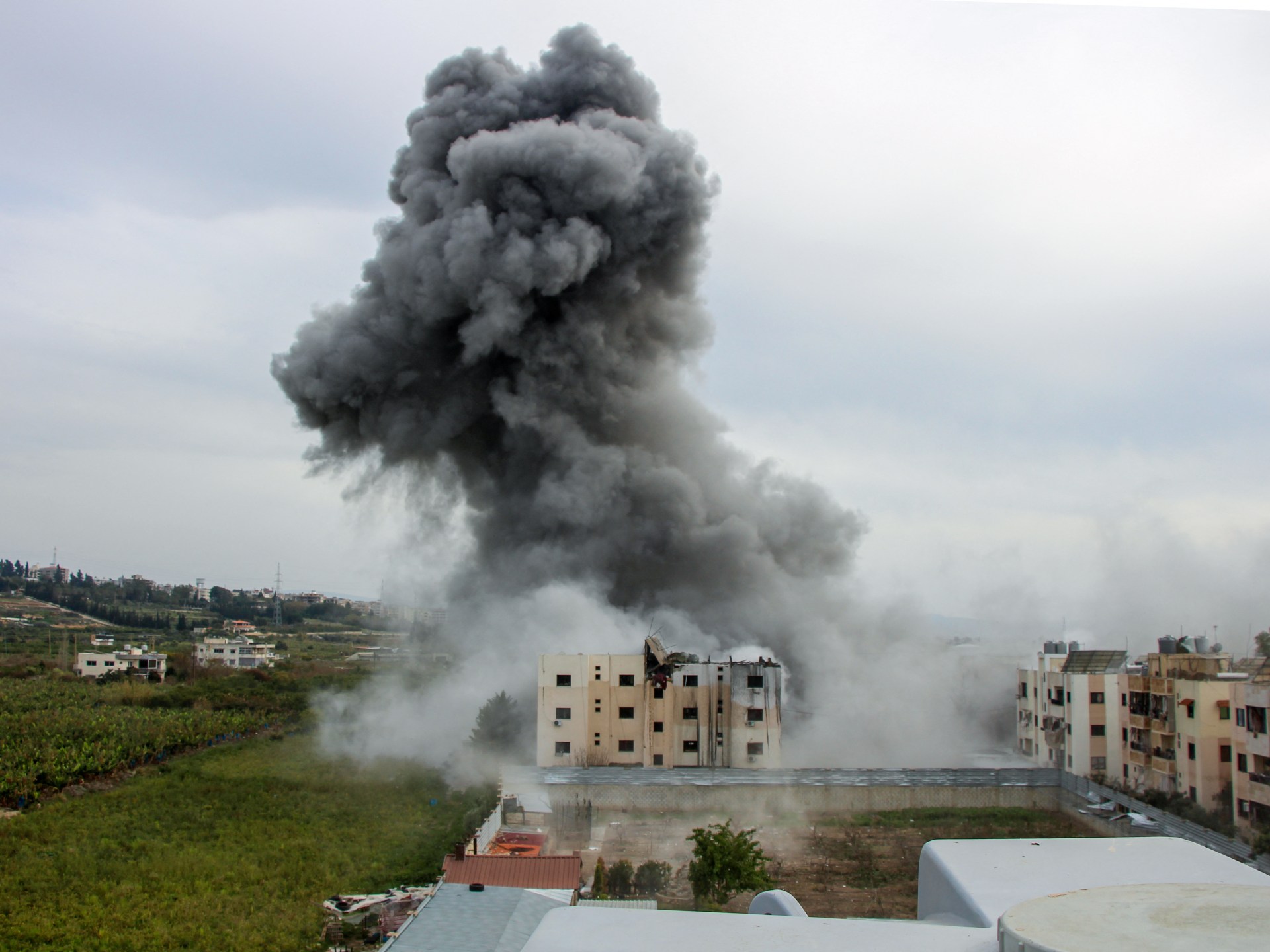
US-Israel Assault on Iran Enters Third Week, New Dynamics Emerge
A growing number of states in the region are now involved in the conflict, with military clashes extending to more than a dozen countries. The global involvement has expanded beyond the initial borders, with countries around the world providing support to either side.
The war has had far-reaching impacts on the global economy, causing oil and gas shortages, shipping constraints, and higher prices. No country can avoid the effects of the conflict, whether in terms of economic stability or basic needs such as food, medicine, and energy.
The duration of the conflict will determine its long-term consequences. The initial goal of a quick and decisive victory has not been achieved after 14 days of attacks. Iran and its allies are seeking to prolong the war, aiming to weaken the attackers’ military capabilities and political endurance.
The ideological underpinnings of the conflict also play a significant role. The US and Israel are part of a Western settler-colonial campaign in the region, which has led to the displacement of indigenous Palestinians. Iran and its allies aim to reverse this colonial onslaught, which has been ongoing since the 19th century.
The nature of this war marks a new era in warfare, with the use of advanced technology and satellite assets by the US and Israeli militaries. In response, Iran has developed innovative technologies that have limited the impact of the air assault against them. The country’s use of sophisticated but relatively cheap technology has allowed it to penetrate US-built air defenses.
The conflict has also shown that countries cannot remain safe if they stay out of the fighting. Iran’s actions demonstrate that resistance to Western-Zionist aggression can be effective, as seen in the survival of Supreme Leader Ali Khamenei and other leaders after previous assassination attempts.
Source: Al Jazeera