Anti-war protests in Western countries subdued when discussing Iran
April 17, 2026 • Al Jazeera
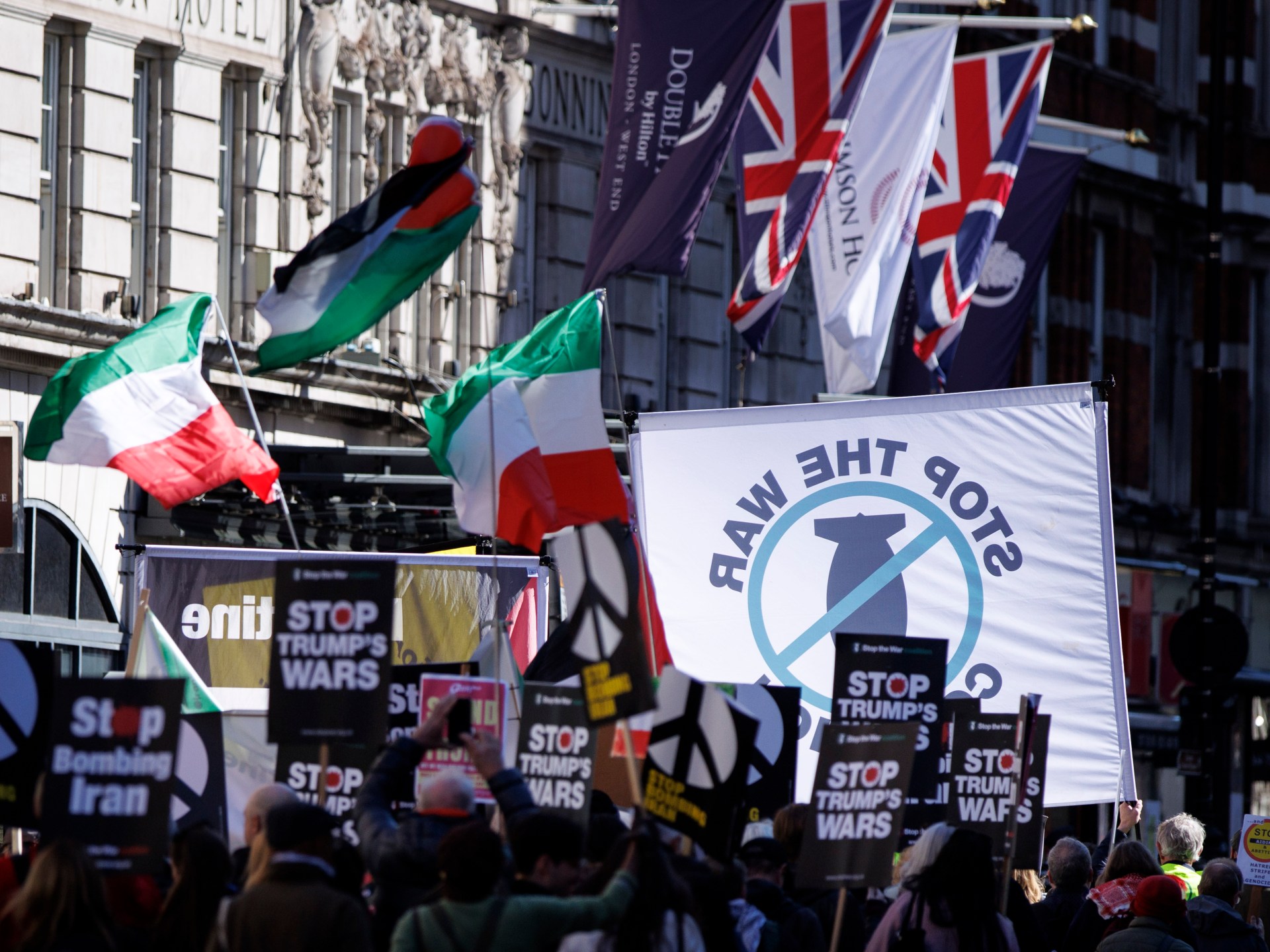
US and Israeli Attacks on Iran Spark Global Protests, Despite Initial Expectations
A nearly seven-week conflict between the US and Israel and Iran has resulted in over 2,000 civilian deaths and widespread destruction of infrastructure. The fragile ceasefire that followed the initial attacks has held for approximately 10 days. The US President’s threat to wipe out Iran’s “whole civilization” if it did not comply with Washington’s demands has contributed to the ongoing tensions.
In response, Iran has launched retaliatory attacks on Israeli targets and fired missiles at Gulf countries and other regions. Pakistan has brokered a ceasefire between the two sides, but it remains fragile due to Israel’s continued air strikes on Lebanon and its invasion of southern Lebanon.
Despite global opposition to the war, protests in the US and Europe have been relatively low compared to previous conflicts. According to data from Armed Conflict Location and Event Data, there were approximately 3,200 Iran war-related demonstrations worldwide in the first month following the US-Israeli attacks. In contrast, 3,700 demonstrations were reported in the first month after Russia’s invasion of Ukraine, and as many as 6,100 demonstrations against Israel’s war on Gaza.
Analysts point to several factors that may contribute to the lower level of protests. These include fatigue, fear, and disillusionment among the public. Additionally, the US has not seen a significant ground invasion or mobilization of troops, which may have contributed to the lack of widespread protests. The Trump White House’s use of drones and missiles in the conflict has also been cited as a factor.
The war has had significant global repercussions, including oil price increases, fertilizer shortages, and stock market volatility. However, the effects have been felt more quickly than in most previous conflicts.
Source: Al Jazeera