Argentineans take out loans to purchase basic necessities
February 16, 2026 • Al Jazeera
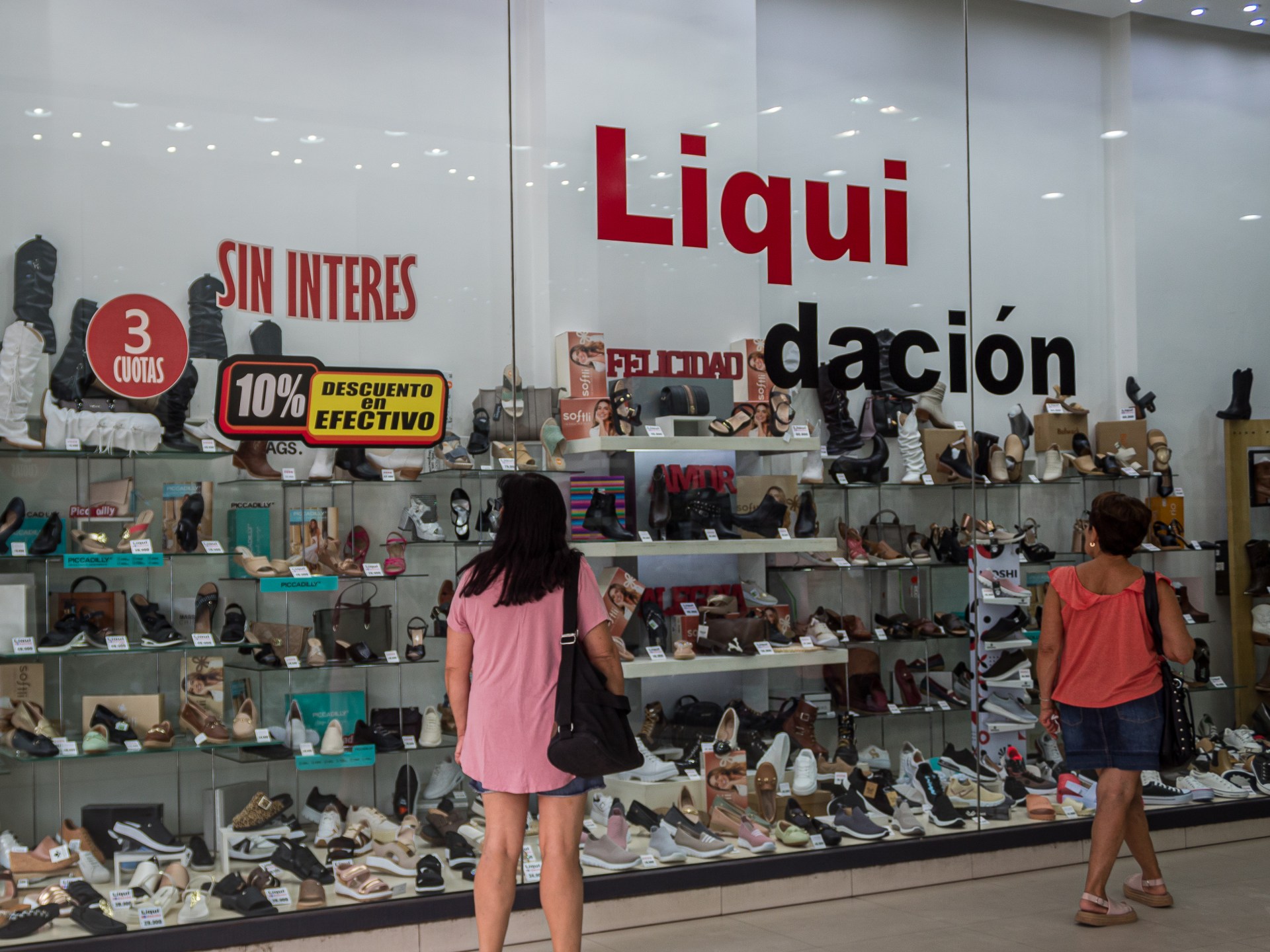
Buenos Aires, Argentina - A growing number of residents are relying on loans, selling personal assets, and using credit cards to cover basic expenses such as food. Diego Nacasio, a 43-year-old salesman from Florencio Varela, reported that his income and that of his wife often run out by the 15th of each month. To make ends meet, they seek additional employment, sell items, use credit cards, and take small loans to purchase essential goods until their next paychecks arrive.
Nacasio stated, “I have never experienced anything like this.” Over the past 25 years, he and his wife worked hard and were able to build a house from scratch, buy a car, and provide for their 17-year-old son. Despite having better jobs than before, they are unable to afford food for an entire month.
According to a report by Argentina Grande, nearly half of the population is using savings, selling belongings, or borrowing money from banks or relatives to cover basic necessities. Another study by Fundacion Pensar found that 63 percent of Argentines have reduced their activities or services to make ends meet.
Argentina’s President Javier Milei has implemented an austerity economic plan aimed at achieving fiscal balance and building up reserves of US currency through drastic cuts to public spending. The International Monetary Fund projects an economic growth of four percent in 2026 and 2027, despite Argentina’s record levels of foreign loans.
However, a closer examination of the data reveals uneven economic activity. Sectors such as banking and agriculture experienced growth, while manufacturing and commerce saw sharp declines. Consumption, particularly of food, has been falling, with a 12.5 percent drop reported by independent food retailers. The administration’s policies have also led to inflation concerns, with some experts arguing that the measures taken may not accurately reflect real price fluctuations.
Inflation rates in Argentina have decreased significantly since President Milei took office, but critics argue that this is due to controversial measures such as stagnant salaries and cheaper imports. These policies have resulted in many individuals having limited disposable income, forcing factories and small businesses to close.
Source: Al Jazeera