Artificial Intelligences increasing water consumption poses public health concerns nationwide
January 21, 2026 • Al Jazeera
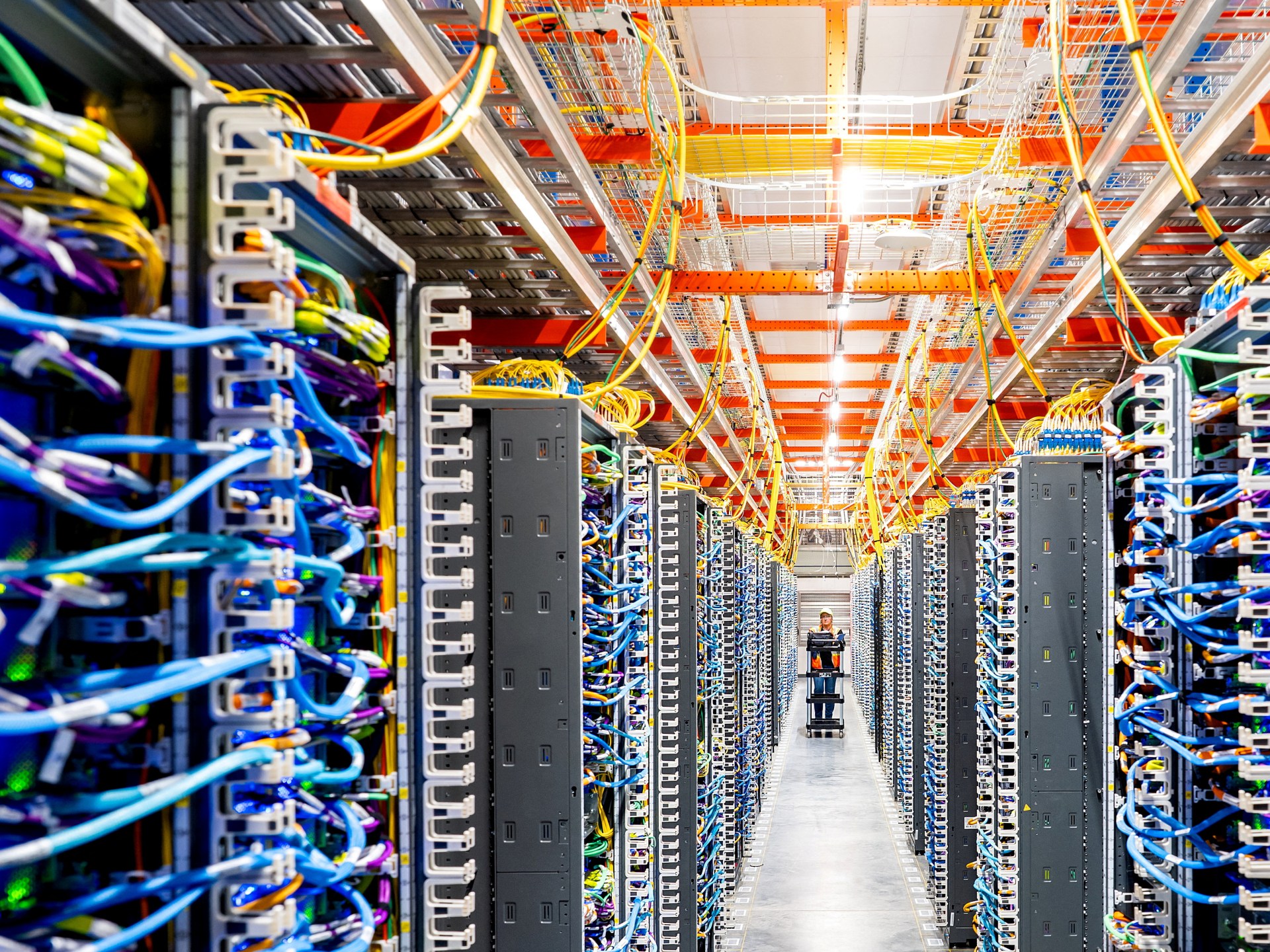
Data Centres and Artificial Intelligence: A Growing Concern for Global Health and Sanitation
The expansion of data centres worldwide is raising concerns about their impact on sanitation, inequality, and disease. As artificial intelligence (AI) becomes increasingly integrated into various aspects of life, its energy consumption is growing, putting a strain on local water resources.
Generative AI, which can generate new text, photos, code, and more, has already become ubiquitous, with ChatGPT receiving over one billion queries daily. Companies like Google, Apple, and Microsoft are embedding AI into their products, leading to increased energy demands. A single AI-powered Google search is estimated to use up to 30 times more energy than its standard version.
Data centres rely on Graphics Processing Units (GPUs) to process massive amounts of data, which consume significant amounts of energy and produce heat. To cool these systems, thousands of gallons of fresh water are used daily. A recent report predicts that AI will increase global water usage from 1.1 billion cubic metres to 6.6 billion cubic metres by 2027.
Some companies are exploring alternative cooling methods, such as using seawater or implementing “closed-loop” systems to reduce water consumption. However, these solutions come with their own challenges, including the degradation of water quality over time. Data centres being built in areas with already scarce water resources can exacerbate local health issues, particularly in communities where access to clean water and sanitation is limited.
The World Health Organization recognizes that unsafe drinking water and poor sanitation contribute to the spread of diseases such as cholera and diarrheal illnesses. As data centres continue to expand, it is essential to consider their impact on global health and sanitation.
Source: Al Jazeera