Balen Shahs RSP Sees Strong Poll Performance in Nepal
March 8, 2026 • Al Jazeera
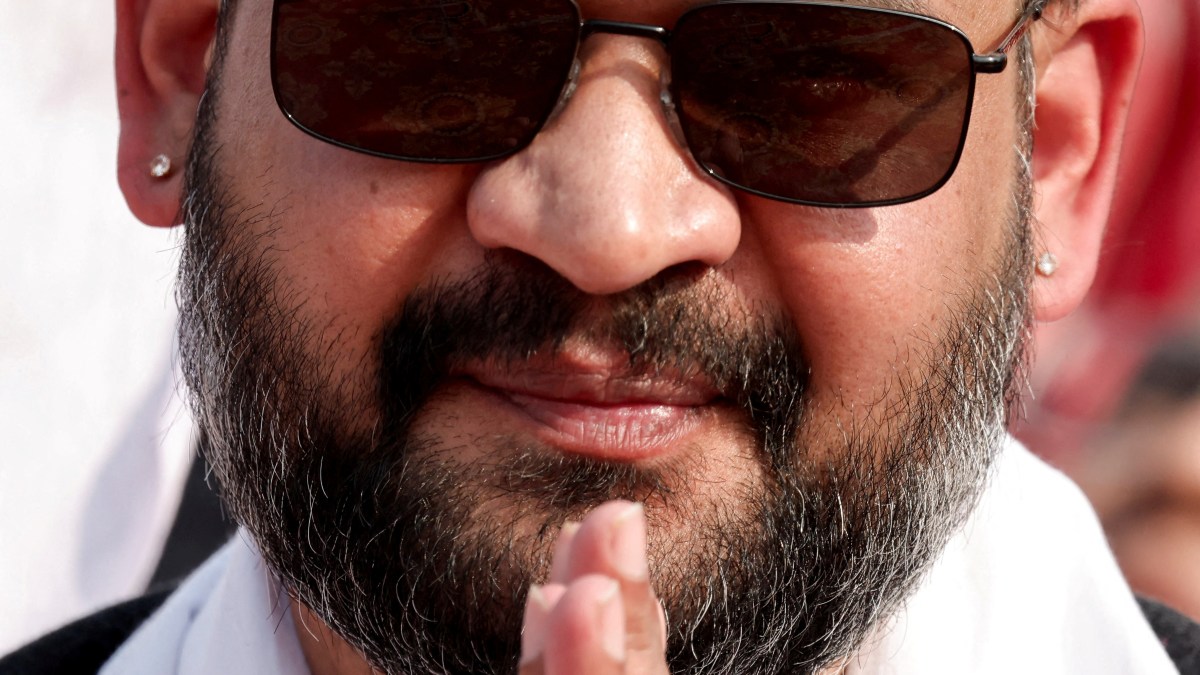
Nepal’s Rastriya Swatantra Party Secures Majority in Parliamentary Elections
In the direct parliamentary elections held on Thursday, the Rastriya Swatantra Party (RSP) of 35-year-old politician Balendra Shah has secured a majority. According to official results and election commission trends, the party is leading in both directly elected seats and proportional representation votes.
Shah’s RSP won 60 of 165 directly elected seats and is also leading in 61 other constituencies, according to the Nepal Election Commission. The party’s campaign focused on health and education for poor Nepalis, resonating with public anger towards traditional political parties.
Veteran four-time Prime Minister Khadga Prasad Sharma Oli was defeated by Shah in his own seat, securing almost four times fewer votes than Shah. Oli’s Marxist-led government was ousted in the protests last year, which saw at least 77 people killed and widespread unrest.
India’s Prime Minister Narendra Modi congratulated Shah on his victory, calling it a “proud moment” in Nepal’s democratic journey. Modi expressed his commitment to working closely with the new government to promote shared peace, progress, and prosperity.
Shah’s rise to power is notable for his background as a rapper-turned-politician who released music targeting corruption and inequality. His 2022 election as Kathmandu’s first independent mayor was also a significant upset for the political establishment.
The RSP party was founded in 2022 on an anti-establishment platform, with a highly organized social media operation and significant funding from the Nepali diaspora. The party’s campaign highlighted the need for change among Nepal’s population, which has seen a growing generational divide between those under 35 and the established leadership.
The election results reflect a shift in Nepal’s politics, with Shah’s RSP emerging as a force to be reckoned with.
Source: Al Jazeera