Bangladesh election raises questions about militarys influence in politics
January 29, 2026 • Al Jazeera
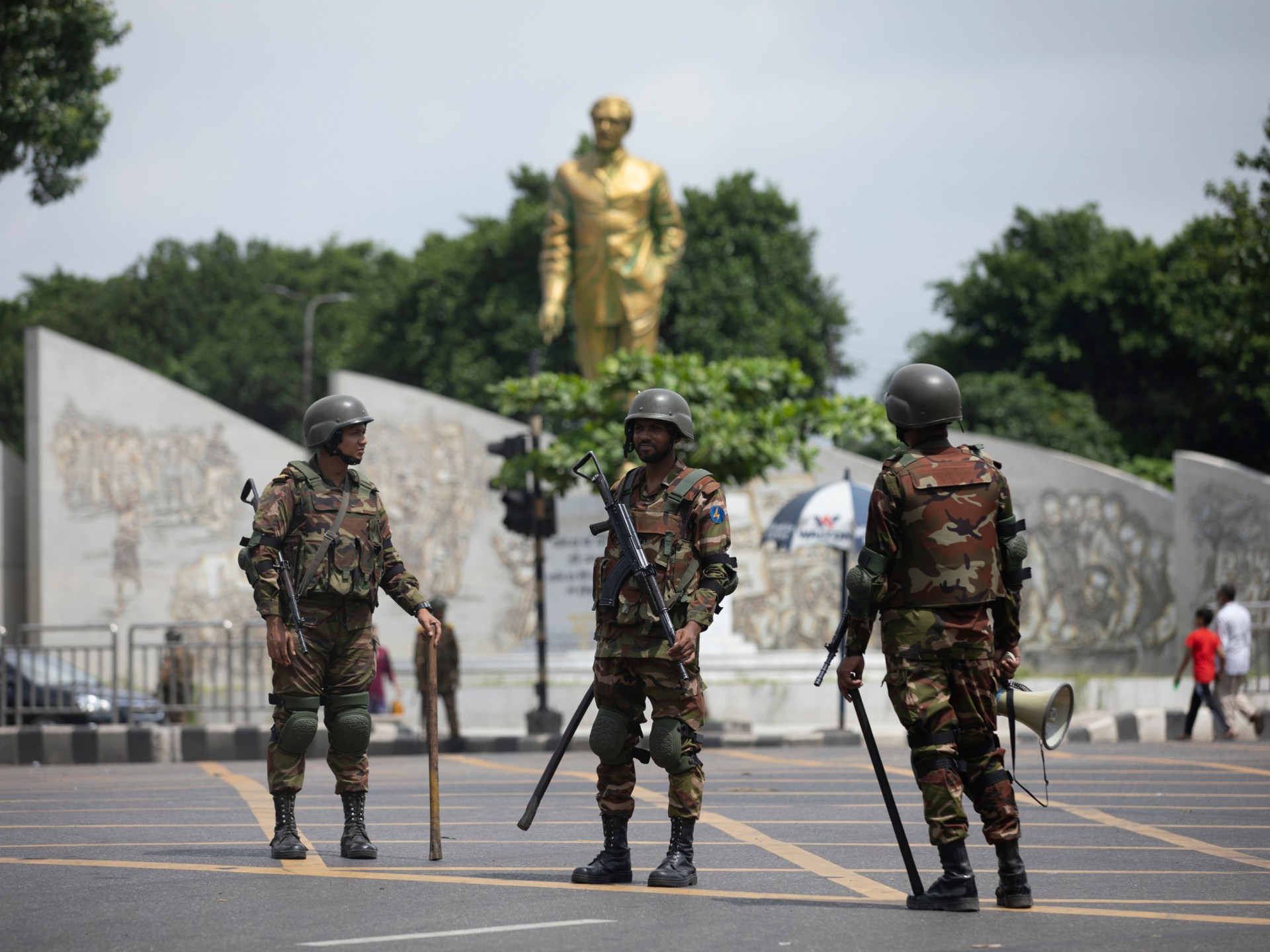
Bangladesh’s Military Presence Looms Over Upcoming Election
A significant military presence is expected to be a key factor in Bangladesh’s upcoming national election on February 12. The army has been at the forefront of maintaining public order, with soldiers patrolling the streets and operating under magisterial powers. According to officials, up to 100,000 troops are set to be deployed nationwide, with proposed changes to election rules formalizing their role as “law-enforcing agencies”.
The military’s influence on politics has been a topic of discussion in Dhaka, with some analysts suggesting that the army remains a powerful force despite not seeking electoral power. Thomas Kean, senior consultant for the International Crisis Group, stated that the army has been “backstopping the interim government” both politically and through day-to-day security amid police weakness.
Kean noted that while there may be differing views within the military, the institution as a whole wants to see the election take place smoothly. He also pointed out that the army could have seized power when the political order collapsed in August 2024, but chose not to due to concerns about jeopardizing key interests such as UN peacekeeping deployments.
Asif Shahan, a political analyst and professor at Dhaka University, argued that the military’s influence is now more about its institutional weight through security and intelligence apparatus. He also highlighted the army’s “corporate” footprint, which includes involvement in major state infrastructure projects, business conglomerates, and the presence of serving and retired officers across commercial and state bodies.
The country has a history of political transitions being hijacked by coups and military rule, and analysts are watching closely to see how this election unfolds. With the army’s significant presence on the ground, it remains to be seen how civilian choices will be influenced by its security role, intelligence networks, and government footprint.
Source: Al Jazeera