Bangladesh to Hold Election in 2026 with Uncertainty Surrounding Outcome
February 11, 2026 • Al Jazeera
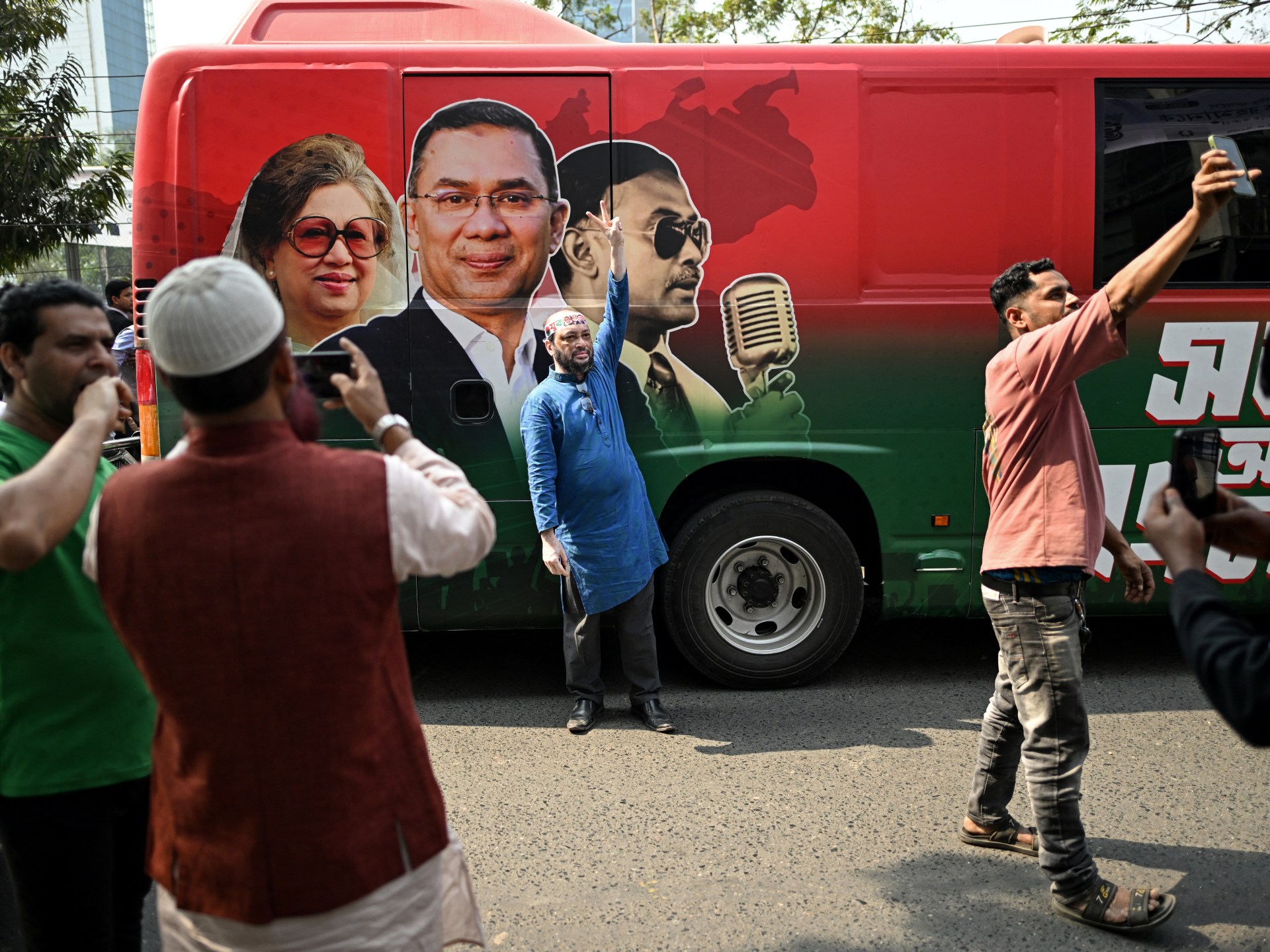
Bangladesh to Hold First Parliamentary Elections Since Hasina’s Ouster
Voters in Bangladesh are set to cast their ballots on February 12 for the country’s first parliamentary elections since former Prime Minister Sheikh Hasina was ousted in January 2024. The elections will take place at 42,761 polling centres across 64 districts, with 300 parliamentary constituencies up for grabs.
As of October 31, 2025, there are 127,711,793 registered voters aged 18 and above, including those who have registered to vote via postal ballot within and outside the country. This is the first time postal voting has been facilitated, benefiting approximately 15 million overseas workers whose remittances contribute significantly to Bangladesh’s economy.
The elections will be held under a plurality voting system, where voters make one choice from a list of candidates. The party with the most votes in each constituency will win the seat. In addition to the general seats, 50 reserved seats for women will be allocated proportionally after the election results.
Bangladesh has a unicameral legislature, consisting of the Jatiyo Shangsad or House of the Nation, which makes laws. The country’s electoral system is based on the first-past-the-post (FPTP) method, where one party can win 51 percent of the vote in every seat while another party wins 49 percent.
The outcome of the election will determine the formation of a government and the official opposition. The party with the most seats will form a government without the need for coalition-building, while the second-highest number of seats will form the official opposition.
This is the first election since January 2024, when Hasina returned to office for a fifth term. However, the previous election was boycotted by the main opposition Bangladesh Nationalist Party (BNP) amid a crackdown on opposition figures. The protests that led to Hasina’s ouster were sparked by concerns over a conventional job quota system, which reserved government jobs for descendants of Bangladesh’s freedom fighters.
The International Crimes Tribunal (ICT) has reported nearly 1,400 deaths and over 20,000 injuries during the protests. Hasina was eventually ousted and fled to India, where she remains in exile. Nobel laureate Muhammad Yunus took over as interim leader after her ouster.
Source: Al Jazeera