Bangladesh to Hold Referendum Amid Post-Election Tensions and Uncertainty
February 19, 2026 • Al Jazeera
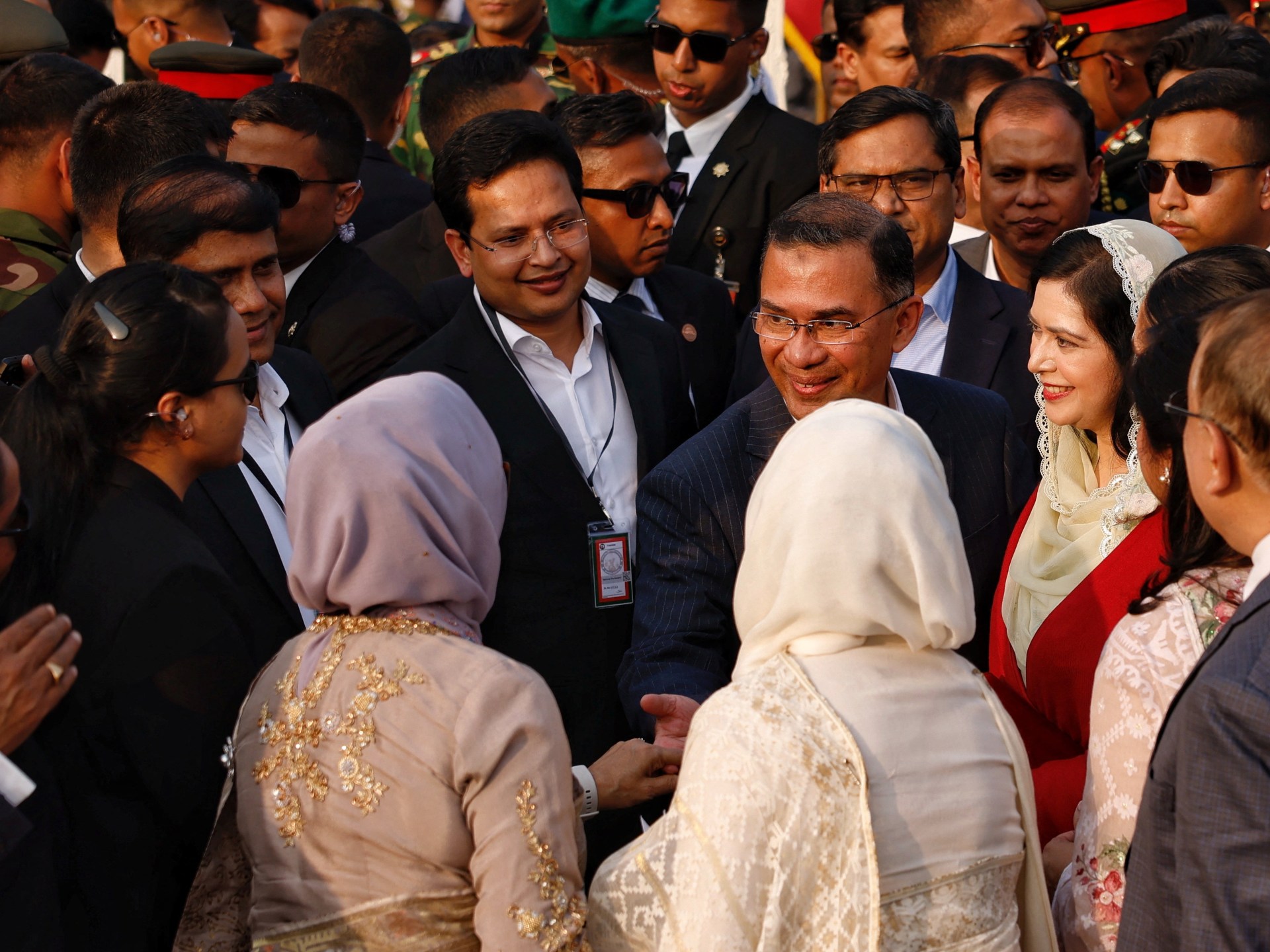
Bangladesh Holds Referendum on Constitutional Reforms Following July Uprising
A national referendum was held in Bangladesh alongside last week’s parliamentary election, with voters casting ballots on constitutional reforms proposed for the country. The July National Charter, which most political parties signed last year, was approved by 60.26 percent of voters.
The charter outlines a roadmap for constitutional amendments, legal changes, and the enactment of new laws. It contains over 80 proposals, including increasing women’s representation, imposing prime ministerial term limits, enhancing presidential powers, expanding fundamental rights, and protecting judicial independence.
The Bangladesh Nationalist Party (BNP), led by Tarique Rahman, had initially expressed skepticism about the charter but later endorsed a “yes” vote. However, newly elected BNP members of parliament refused to take an oath as members of a new Constitution Reform Council, throwing the future of reforms into doubt.
The referendum was held following a series of protests in July 2024, which led to the ousting of former Prime Minister Sheikh Hasina. The protests were sparked by a conventional job quota system that reserved government jobs for descendants of Bangladesh’s freedom fighters. Nearly 1,400 people were killed and over 20,000 wounded during the crackdown.
The caretaker government, led by Nobel laureate Muhammad Yunus, drafted the July National Charter in August 2024. The charter recommends creating a 100-member upper chamber alongside the current single parliamentary body.
Newly elected members of parliament were sworn in on Tuesday, but they refused to take an oath as members of the Constitution Reform Council, citing concerns about the implementation process. The council is required to enact the constitutional amendments within 180 days of forming.
Source: Al Jazeera