Bangladesh weighs future under Khaleda Zias sons leadership
January 1, 2026 • Al Jazeera
Bangladesh Mourns Death of Former Prime Minister Khaleda Zia
Dhaka, Bangladesh - On Tuesday, news emerged that Khaleda Zia, the three-time prime minister and longtime leader of the Bangladesh Nationalist Party (BNP), had passed away at Evercare Hospital in Dhaka. The hospital premises became a focal point for the nation’s grief as supporters, party leaders, and citizens gathered to pay their respects.
Khaleda had been receiving treatment at the hospital since November 23. Her funeral on Wednesday drew tens of thousands of BNP supporters from across the country, alongside leaders of other political parties, interim government head Muhammad Yunus, and foreign diplomats.
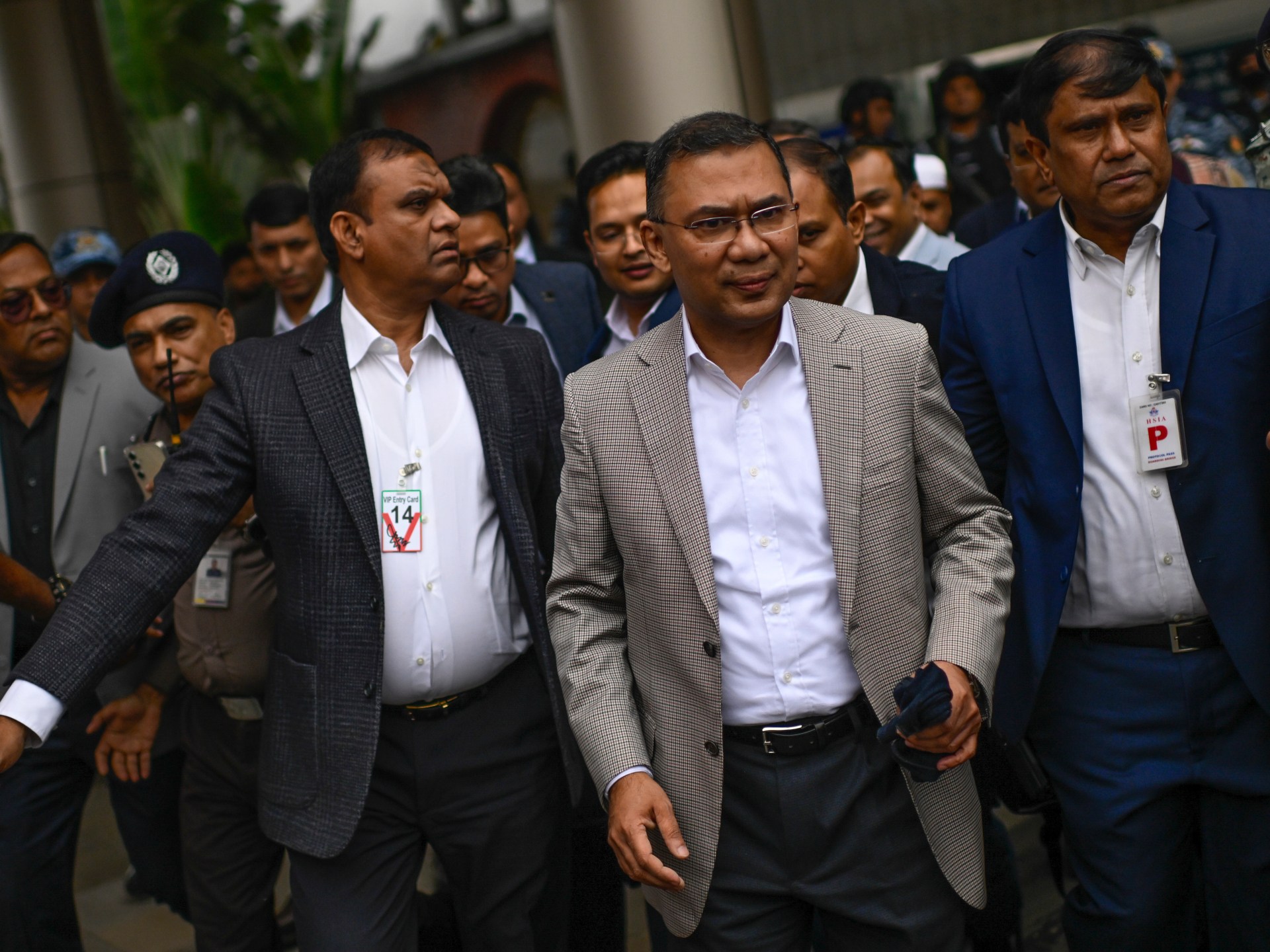
The death of Khaleda marks a significant shift in the BNP’s leadership, as her son Tarique Rahman is now set to take over as acting chairperson. With national elections scheduled for February 12, the party is entering the campaign without its long-time leader. Analysts say this change will have a profound impact on the party’s internal politics and ability to compete in the upcoming election.
Khaleda’s legacy extends beyond her formal leadership, with many considering her a unifying symbol of sovereignty, independence, and democracy. Her death has been described as a loss for Bangladesh, with some hailing her as a “true guardian” who helped contain factionalism within the party.
The BNP plans to carry forward Khaleda’s legacy through its policies and governance priorities if elected. However, analysts note that her absence removes a critical layer of symbolic authority that long helped stabilize the party’s internal politics. The party now faces a challenge in proving Tarique Rahman’s leadership, with some arguing that his untested leadership style may disrupt the party’s cohesion.
The February election is expected to play a crucial role in validating or invalidating Tarique Rahman’s leadership. Success would cement his position as leader, while failure could intensify scrutiny of his abilities.
Source: Al Jazeera