Bangladeshs Jamaat leader Shafiqur Rahman faces growing international scrutiny
February 9, 2026 • Al Jazeera
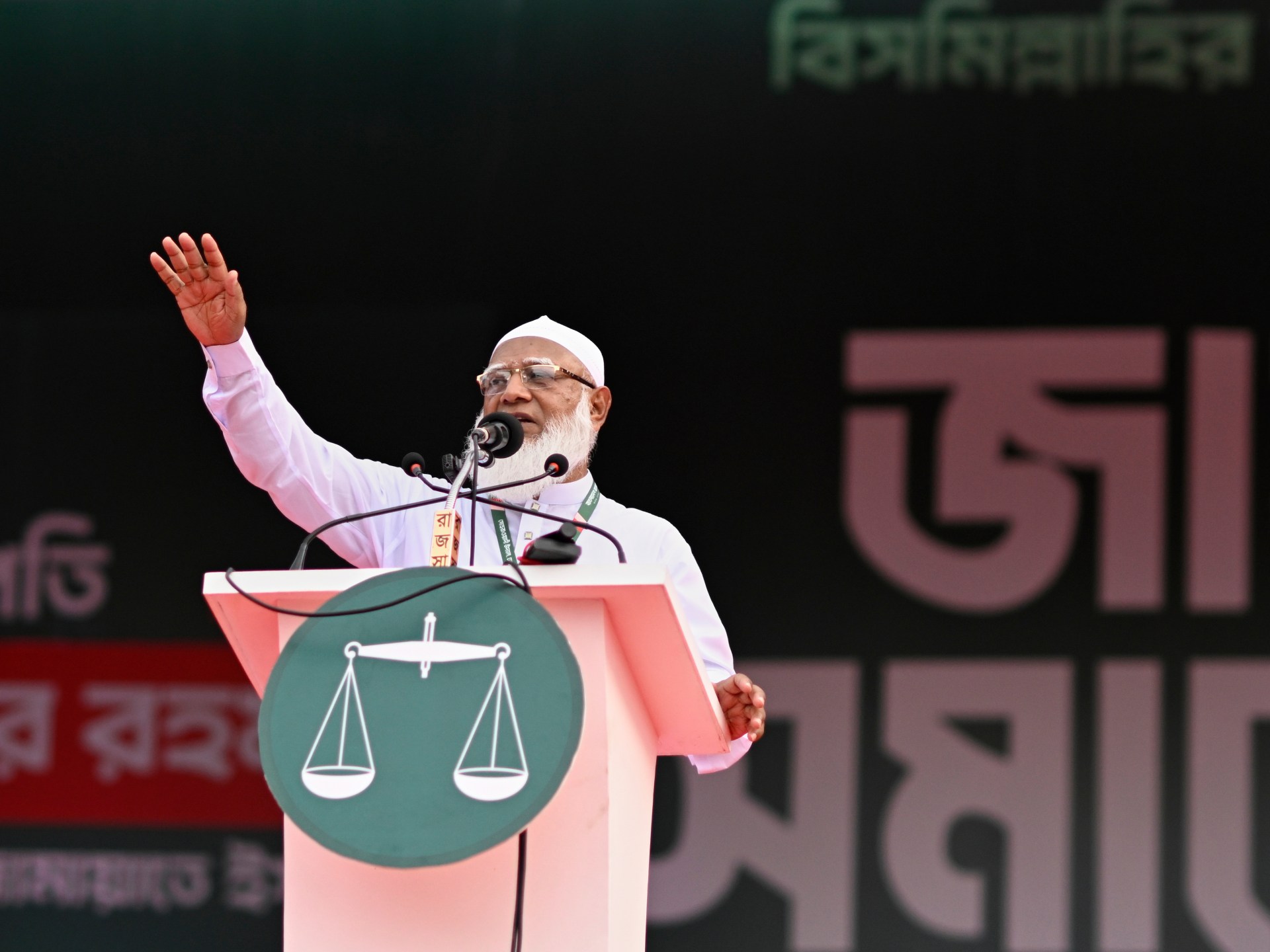
Bangladesh’s Jamaat Party Unveils Election Manifesto with Ambitious GDP Goal
In Dhaka on Wednesday evening, Shafiqur Rahman, the emir of Bangladesh Jamaat-e-Islami, presented an election manifesto that outlines his party’s vision for the country’s future. The key promise is to quadruple the country’s gross domestic product (GDP) to $2 trillion by 2040.
Rahman addressed politicians and diplomats, pledging investment in technology-driven agriculture, manufacturing, information technology, education, and healthcare, as well as increased foreign investment and public spending. Economists have expressed skepticism about the feasibility of these promises, describing the manifesto as heavy on slogans but short on detail.
However, for Jamaat’s leadership, the manifesto is seen as a signal of intent rather than a detailed economic plan. The party has long been portrayed by critics as being driven too much by religious doctrine to govern effectively. The new manifesto presents a more modern and inclusive vision that aligns with Bangladesh’s aspirations for the future.
The shift in how Jamaat and its leader are being viewed is attributed, in part, to a political vacuum created by the ousting of Prime Minister Sheikh Hasina in July 2024. The familiar duopoly between the Awami League and the Bangladesh Nationalist Party has been disrupted, allowing other parties to emerge as prominent forces.
Jamaat’s resurgence is seen as a result of years of grassroots social work and political survival under repression. Rahman, who took over as Jamaat’s chief in 2019, has been at the center of this transformation. His party is now competing directly with the BNP in opinion polls, making him a potential candidate for prime minister.
Over the past few months, European, Western, and Indian diplomats have sought meetings with Rahman, marking a significant shift in how Jamaat is being viewed internationally. The coming election has raised questions about whether Rahman could become Bangladesh’s next prime minister.
Source: Al Jazeera