Banks in Democratic Republic of Congo remain closed amid ongoing uncertainty
January 29, 2026 • Al Jazeera
Goma Residents Struggle to Access Banking Services After M23 Rebel Takeover
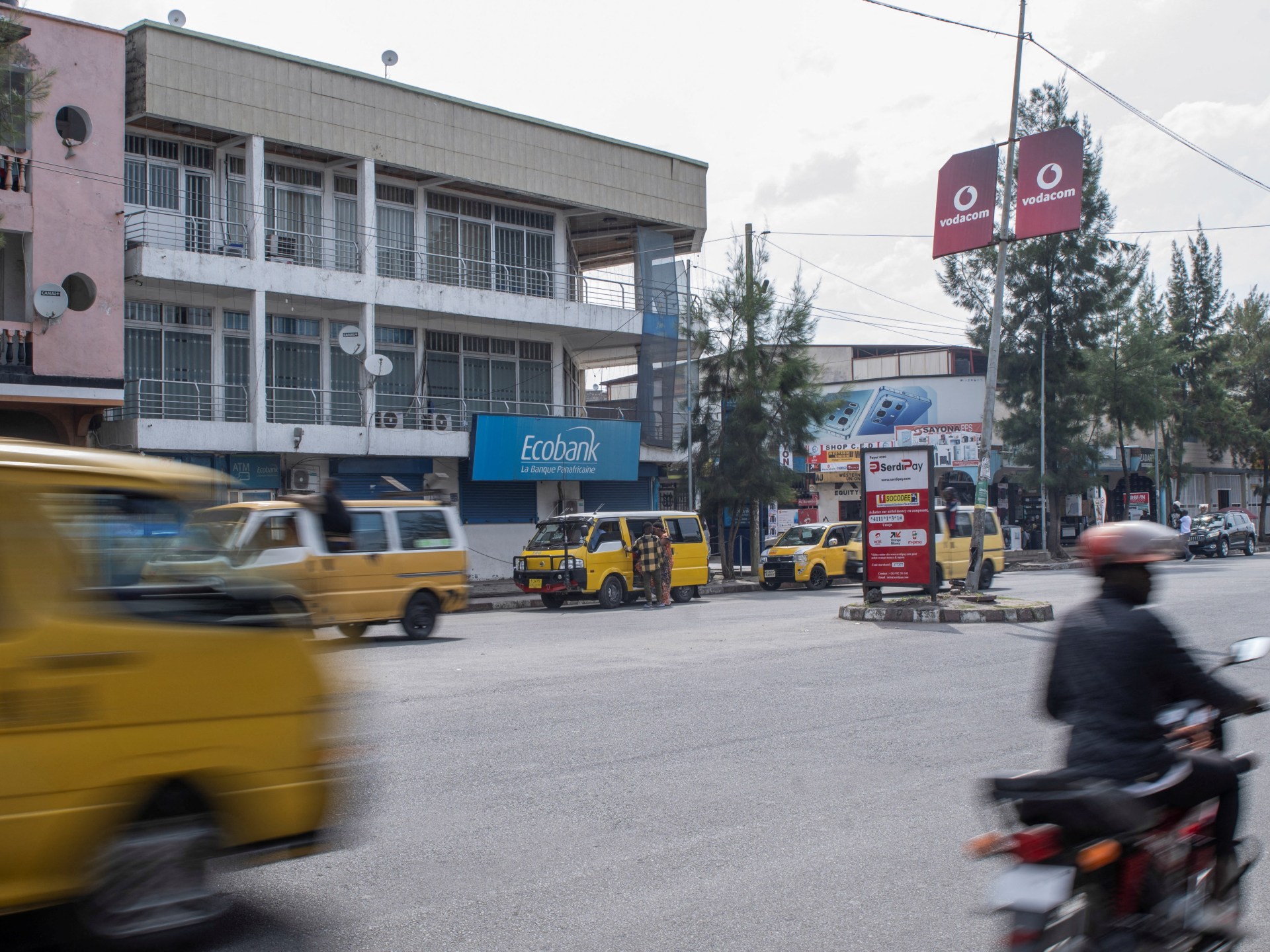
A year has passed since M23 rebels seized control of Goma, the capital of North Kivu province in eastern Democratic Republic of Congo. The city’s streets are now bustling with foot and car traffic, but many essential buildings remain shut. Banks across the city have not reopened despite the normalization of security.
On one street, a Rawbank ATM machine is sealed behind a bolted door, while another Ecobank location has its doors shuttered. Access Bank also operates with limited access, with locked doors and blue shutters covering its windows. The M23 rebels’ takeover in January 2025 led to the shutdown of all banks in Goma, causing significant disruptions to the local population.
Sheilla Zawadi, a 37-year-old mother of three who runs a pharmacy in central Goma, has been affected by the banking crisis. She lost her bank card before the city fell to the rebels and relies on her Visa card to withdraw money at ATMs in neighboring Rwanda. However, this workaround comes with additional costs and challenges.
Zawadi must pay up to $15 in fees to withdraw $100 from an ATM in Rwanda, and then exchange the Rwandan franc for Congolese francs through informal money dealers along the border. This process results in significant losses for her. The government and M23 officials have traded blame over who is responsible for the banking crisis, but banks have not provided clear explanations or offered a timeline for reopening.
In Goma’s main market, traders report that commodity prices have surged, making it difficult for people to make a living. “Before, we used to buy in bulk at an affordable price,” said trader Esperance Mushashine. “Today, prices have risen sharply and customers hardly buy anything anymore.” The situation remains unchanged despite the normalization of security, with many residents relying on cash-based transactions or electronic transfers.
Source: Al Jazeera