Cambodians face uncertain future amidst ongoing tensions with Thailand
May 9, 2026 • Al Jazeera
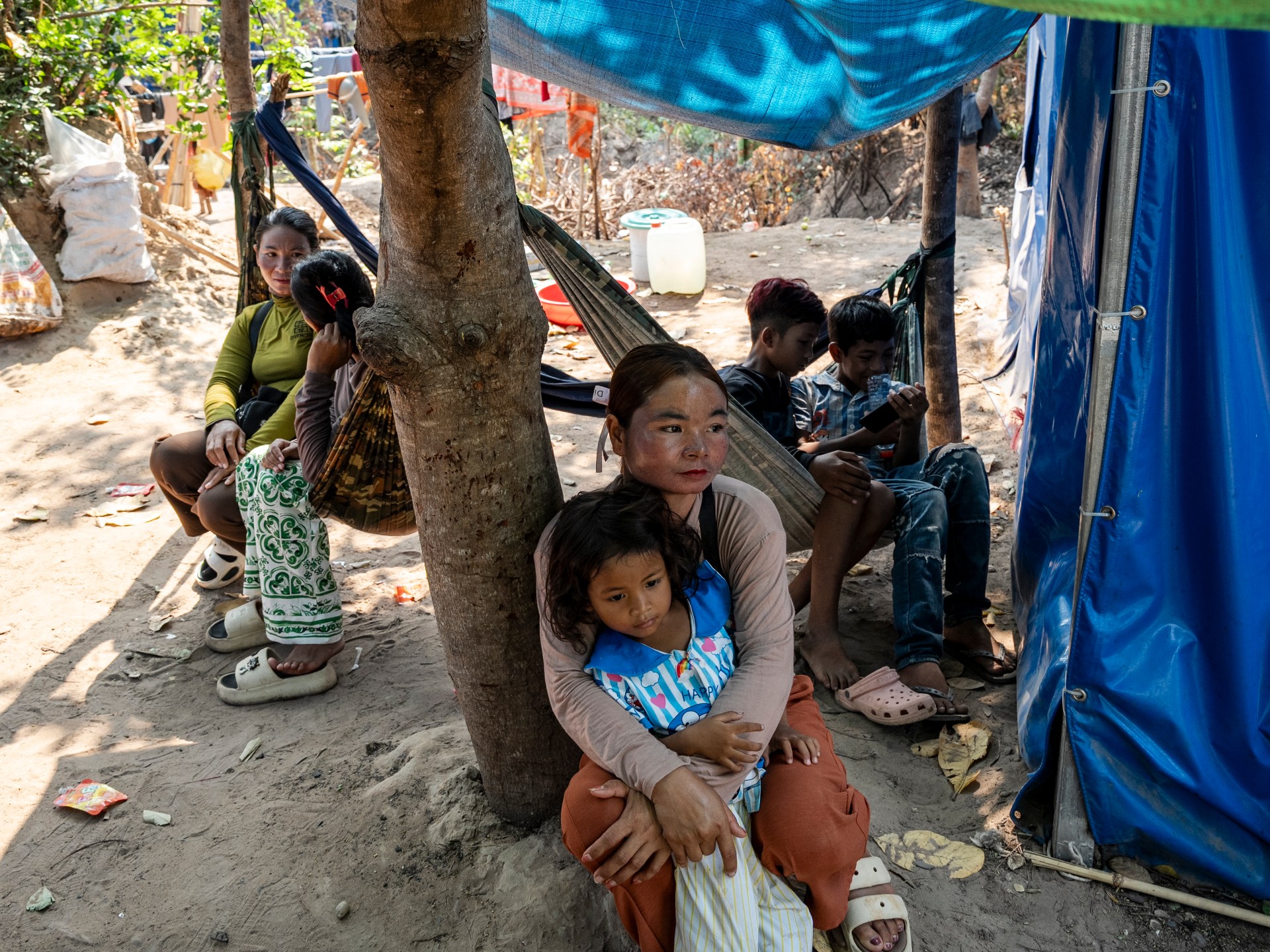
Displacement Camps in Cambodia Remain Disrupted After Border Conflict
As of this month, over 34,440 people remain in displacement camps in Cambodia, including 11,355 children. The camps were established as a result of recent fighting between Thailand and Cambodia, which began in July last year.
The families who fled the conflict have been forced to relocate to temporary accommodations, such as Buddhist pagodas, where they currently reside. The living conditions are precarious, with many families struggling to access basic necessities like water and sanitation.
According to Puth Reen, a mother of two sisters, her children have stopped attending school since moving to the camp. “I tried to tell them to go to school, but they don’t go,” she said.
The Cambodian government has provided some assistance to displaced families, including wooden stilted houses for those who are more fortunate. However, many families continue to rely on aid donations to survive.
Tensions between Thailand and Cambodia remain high, with the tenuous ceasefire along the border still in place. Some areas on the border have become rallying points for nationalists, who post on social media about the Thai occupation of Cambodian territory.
The long-held border dispute between Thailand and Cambodia has resulted in two rounds of conflict last year, resulting in dozens of reported deaths and hundreds of thousands of civilians fleeing their homes. The situation remains tense five months after the ceasefire was reached.
In the displacement camps, education is fragmented, with primary school students able to attend classes at a local school, but high school students needing to travel daily to the provincial capital for classes. The rising cost of petrol has further exacerbated the challenges faced by displaced families.
The Cambodian military has also prevented some individuals from returning to their homes in front-line areas, which remain highly militarized zones.
Source: Al Jazeera