Cape Towns historic Bo-Kaap faces threat from wealthy foreign property investors
March 18, 2026 • Al Jazeera
Here is a rewritten version of the article in a neutral newsroom style:
Cape Town’s Bo-Kaap Neighborhood Faces Uncertainty Amid Tourism Boom and Housing Crisis
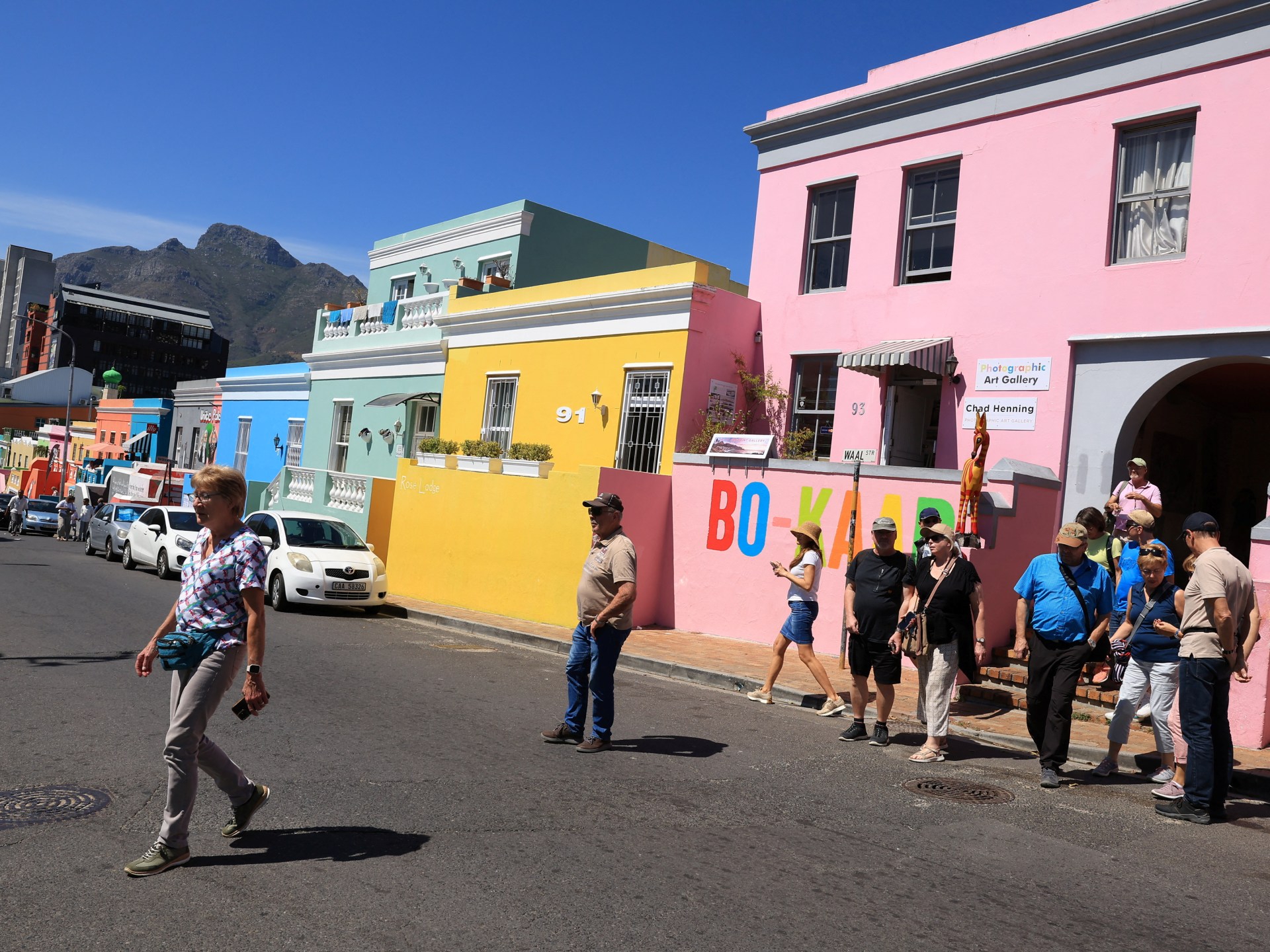
A historic Muslim community at the foot of Table Mountain, Bo-Kaap has been experiencing significant changes. The area, known for its brightly colored houses and narrow streets, is home to South Africa’s oldest mosque, built in 1794. However, beneath the familiar call to prayer that echoes through the neighborhood, concerns are growing about the affordability of housing for long-time residents.
Local photographer Yasser Booley, an eighth-generation resident, has witnessed the gradual changes firsthand. “The biggest changes I have seen are the accelerated sale of homes to high net worth individuals,” he says. “These buyers often have no connection to the place or culture.” Booley notes that this shift is affecting not only who lives in the neighborhood but also how it is perceived from the outside.
Data suggests that foreign buyers are increasingly active in Cape Town’s prime property market, with about 2.8 billion rand ($168m) spent on properties across the Atlantic Seaboard and City Bowl in the past year alone. This influx of wealth has led to a rise in short-term rentals, such as Airbnb listings, which have accelerated the transformation of the neighborhood.
According to AirDNA, there are over 31,000 active short-term rental listings operating across Cape Town, with many concentrated around the central business district. Property owners can generate significant returns from these rentals, with some generating more than 400,000 rand ($24,000) per month.
As a result, younger residents are finding it increasingly difficult to afford homes in Bo-Kaap, leading some to leave the neighborhood altogether. “I have seen my generation leave the Bo-Kaap en masse because they can’t afford to live here anymore,” Booley says. The community is grappling with the question of whether its long-time residents can still afford to stay in the area they call home.
The rise of tourism has transformed Cape Town’s inner-city housing market, with neighborhoods like Bo-Kaap becoming central to the city’s global tourism economy. However, this shift has also made the area prime real estate, leading to concerns about affordability and community displacement.
Source: Al Jazeera