Cesarean sections on the rise in Gaza pose health concerns
April 30, 2026 • Al Jazeera
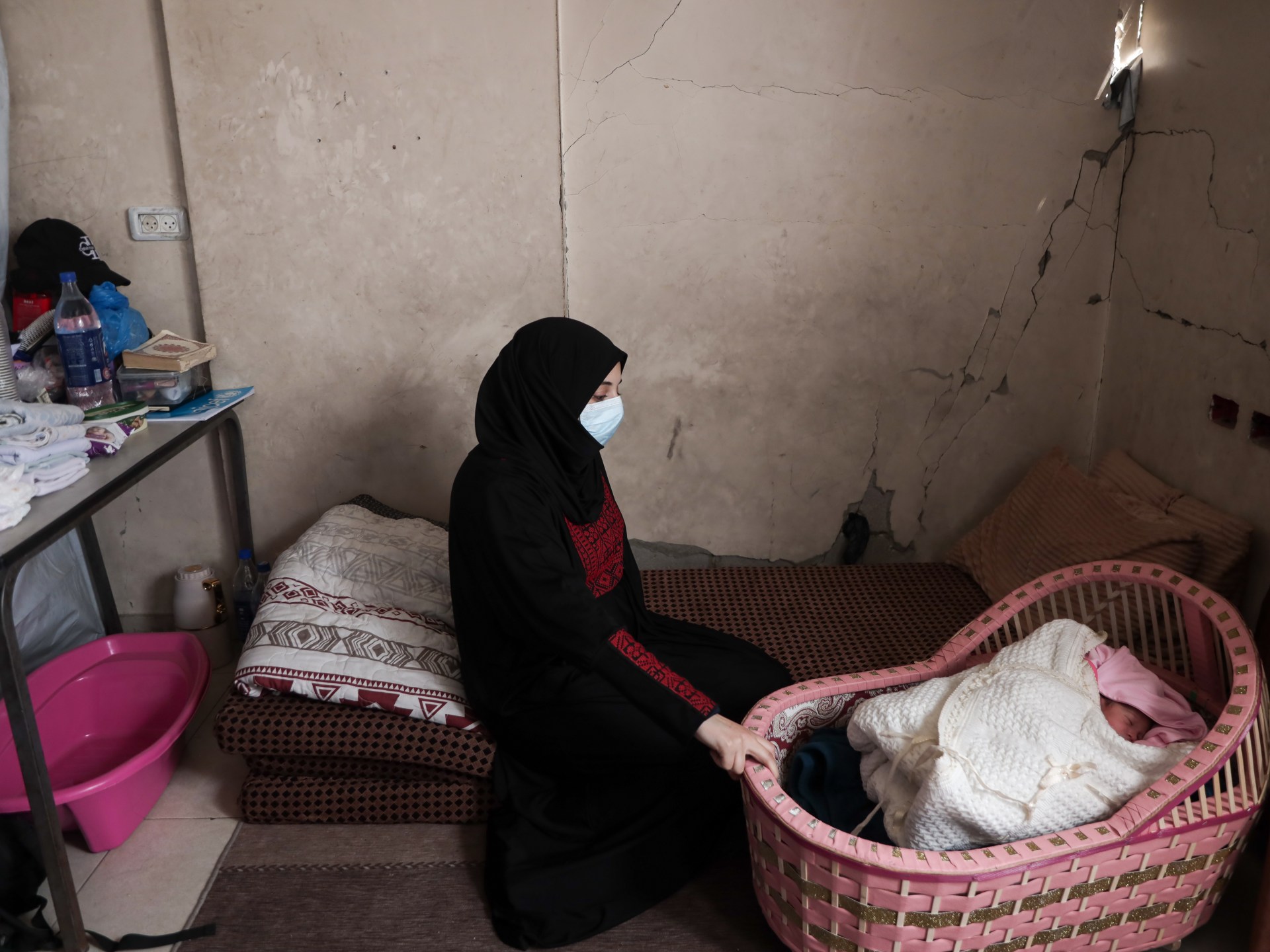
Gaza City, Gaza Strip – A 24-year-old woman, Duha Abu Yousef, recently gave birth to a baby girl via emergency caesarean section at Al Helou International Hospital. The procedure was performed due to her severe anemia, which was exacerbated by the ongoing conflict in Gaza.
Abu Yousef had been experiencing physical and psychological pain throughout her pregnancy, largely attributed to food shortages and famine in the region. She reported that she did not taste meat or eggs during most of her pregnancy, only improving slightly towards the end. Additionally, nutritional supplements were unavailable, leading to further complications.
The conflict has also taken a toll on Abu Yousef’s mental health, with the recent loss of her brother and his wife due to an Israeli tank shell. Her experience is not unique, as many pregnant women in Gaza are facing similar challenges.
According to Dr. Fathi al-Dahdouh, head of obstetrics at Al Helou International Hospital, the number of caesarean sections has increased by about 2 percent since before the war. This trend is attributed to difficulties in travel caused by the conflict, which reduces the possibility of natural births and increases emergency surgeries.
Dr. Ruba al-Madhoun, an obstetrician-gynaecologist working at the International Medical Corps field hospital, notes that many pregnant women arrive in critical condition with injuries due to bombardments. These cases often require immediate surgery, including caesarean sections.
The shortage of medical equipment and supplies has contributed to the increased reliance on caesarean sections. The lack of continuous fetal monitoring devices and labour-inducing medications has eliminated the possibility of natural births in some cases. Heavy pressure on hospital wards and shortages of staff have also made caesarean deliveries a faster and safer option.
The risks associated with caesarean sections in Gaza often occur after the procedure, particularly due to infection. The ongoing conflict has led to displacement, malnutrition, and deficiencies in essential nutrients, further exacerbating the challenges faced by pregnant women in the region.
Source: Al Jazeera