Class dynamics play a role in modern infectious disease outbreaks
May 13, 2026 • Al Jazeera
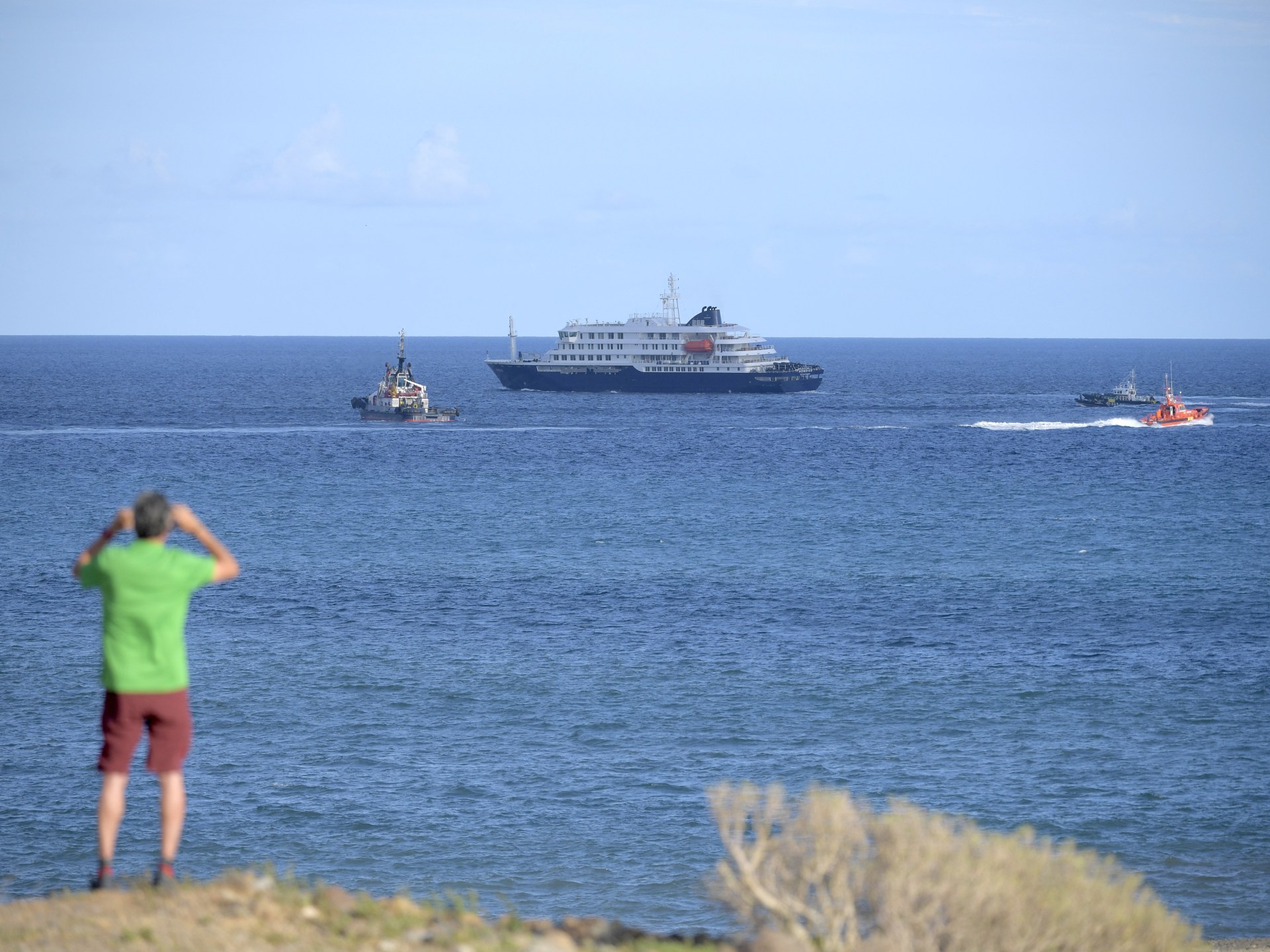
Luxury Cruise Ship Outbreak Raises Questions About Elite Mobility and Disease Transmission
A recent outbreak on board a luxury cruise ship has reignited concerns about the role of elite mobility in spreading infectious diseases. The MV Hondius, which departed from Ushuaia, Argentina, on April 1, was carrying 88 passengers and 59 crew members from 23 countries. Some passengers reportedly paid up to $21,000 for the journey.
In January 2020, a German tourist tested positive for COVID-19 while vacationing in the Canary Islands, becoming Spain’s first confirmed case. The patient had been in contact with a Chinese businesswoman infected with COVID-19 before traveling to the archipelago. This incident highlighted the connection between affluent mobility and disease transmission.
Early outbreaks of COVID-19 were often linked to ski holidays, business trips to Wuhan, and luxury cruises that served as vectors of disease transmission. Research has shown that human transportation played a key role in distributing the virus to new places.
During the pandemic, wealthier families took advantage of remote work arrangements and insulated themselves from exposure, while working-class populations continued laboring in crowded cities, factories, and public transport systems. This disparity in risk highlights the unequal distribution of epidemiological risk associated with global health scares.
The recent hantavirus outbreak on board the MV Hondius has raised similar questions about elite mobility and disease transmission. The ship’s passengers and crew were from diverse backgrounds, but some had reportedly paid high prices for their journey. Authorities have linked the outbreak to seven confirmed cases, two suspected cases, and three deaths.
This incident underscores the ongoing connection between wealth, mobility, and vulnerability in the face of global health scares. As people move freely across borders, they can carry diseases with them, disproportionately affecting poorer populations who are often left most exposed to its consequences.
Source: Al Jazeera