Congos President Nguesso Seeks New Term Amid Four Decades of Power
March 11, 2026 • Al Jazeera
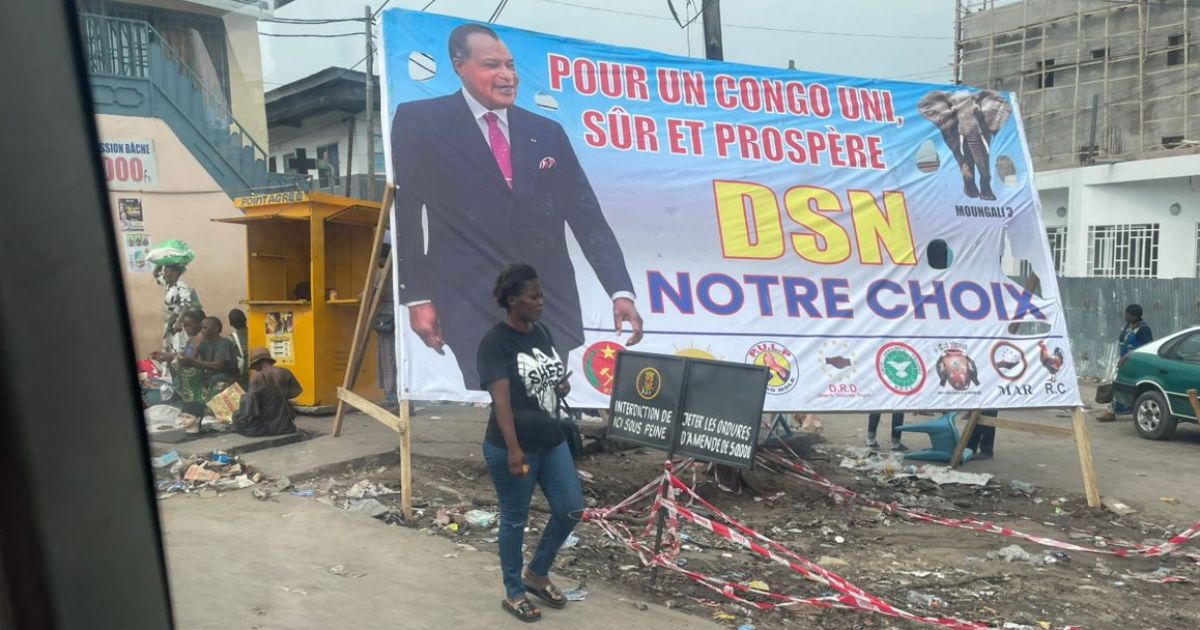
Brazzaville, Republic of Congo – The capital city’s main roads and public squares feature posters showcasing the seven candidates vying for president in Sunday’s election. However, at the Moukondo Market in Brazzaville’s fourth district, voters expressed skepticism about the polls. Fortune, a 27-year-old university graduate, stated that he does not expect much to come from the election. “The amount of money spent during the campaign makes me wonder if those in power truly care about the living conditions of the population,” he said.
About half of Congo’s six million people live below the poverty line, despite being the third-largest oil producer in sub-Saharan Africa. Gilbert, a 44-year-old civil servant, echoed similar sentiments. His salary is insufficient to cover all household expenses, and he supplements his income with odd jobs. “I do not believe that these elections will change our daily lives,” he said. “I’ve known practically the same leader my entire life.” Many in the country share this sentiment, as President Denis Sassou Nguesso has been in power since 1979.
Nguesso first came to power after a period of transition in the early 1990s and returned to the presidency in 1997 following a civil war. Two major constitutional revisions have marked his political trajectory: the 2002 constitution and the one adopted in 2015, which changed eligibility requirements for the head of state. Nguesso’s supporters attribute his longevity to the country’s stability in a region often marked by conflict.
Foreign observers have presented a more nuanced picture of the political situation. Freedom House classified Congo as a “not free” country, while the Ibrahim Index highlighted limited progress in democratic participation and political accountability. The last presidential election in 2021 gave Nguesso over 88 percent of the votes cast with a reported voter turnout of 67 percent. Analysts attribute Nguesso’s political longevity to the country’s hybrid political system, which combines formal pluralistic institutions with centralized executive power. Charles Abel Kombo, a Congolese economist and public policy observer, stated that this structure contributes to the continuity of power and perceptions of stability in the country.
Source: Al Jazeera