Cuba Introduces Strict New Regulations on Technology Use Nationwide
February 25, 2026 • Al Jazeera
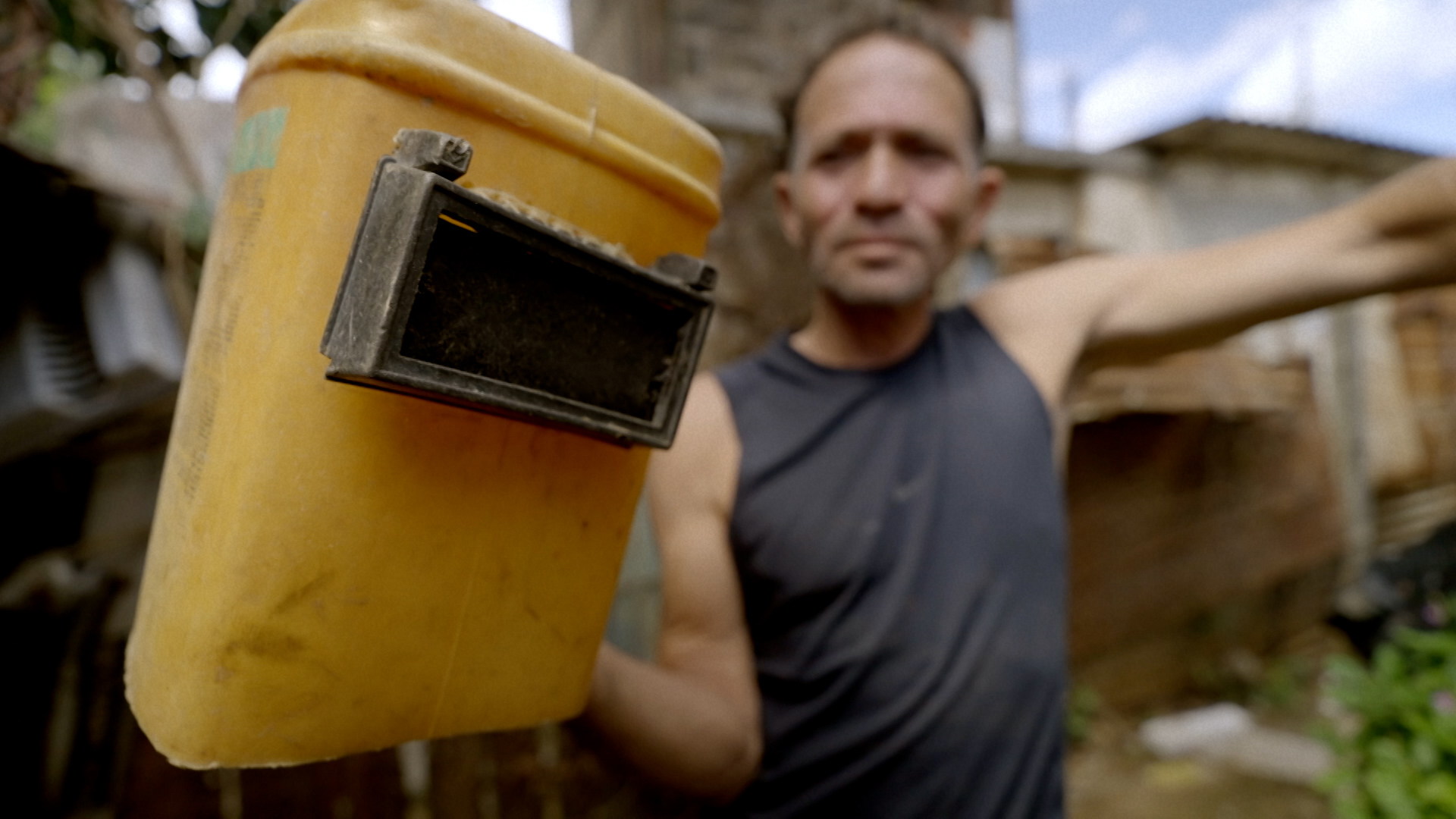
Documentary Explores Innovative Repurposing in Cuba Amidst Economic Crisis
A new documentary has shed light on the resourceful measures taken by Cubans to survive during a period of scarcity, following the collapse of the Soviet Union in 1991. The crisis led to widespread shortages of fuel, food, and spare parts, leaving many without access to basic necessities.
The film highlights the ingenuity of ordinary Cubans who have developed a culture of radical repair, transforming discarded objects into functional tools for daily life. From Havana’s Malecon to rural backyards, the documentary showcases individuals who have learned to repurpose and adapt machinery, often using makeshift parts and creative solutions.
A 1950s US Plymouth Fury convertible, featuring a Soviet engine and Japanese gearbox, is just one example of this resourcefulness. Similarly, washing machines are being used as coconut graters, solar dryers, and tools for urban farms.
Historians and designer Ernesto Oroza have shared insights into the philosophy behind this approach, known as “technical disobedience.” According to Oroza, every object is viewed as a raw material that can be hacked and extended to meet basic needs.
The documentary offers a stark portrayal of a future where resources are scarce and the ability to repair may become a vital skill. By exploring this unique culture, the film provides a glimpse into an alternative approach to resource management and innovation.
Source: Al Jazeera