Cubas Private Sector Faces Ongoing Oil Blockade Imposed by US
May 10, 2026 • Al Jazeera
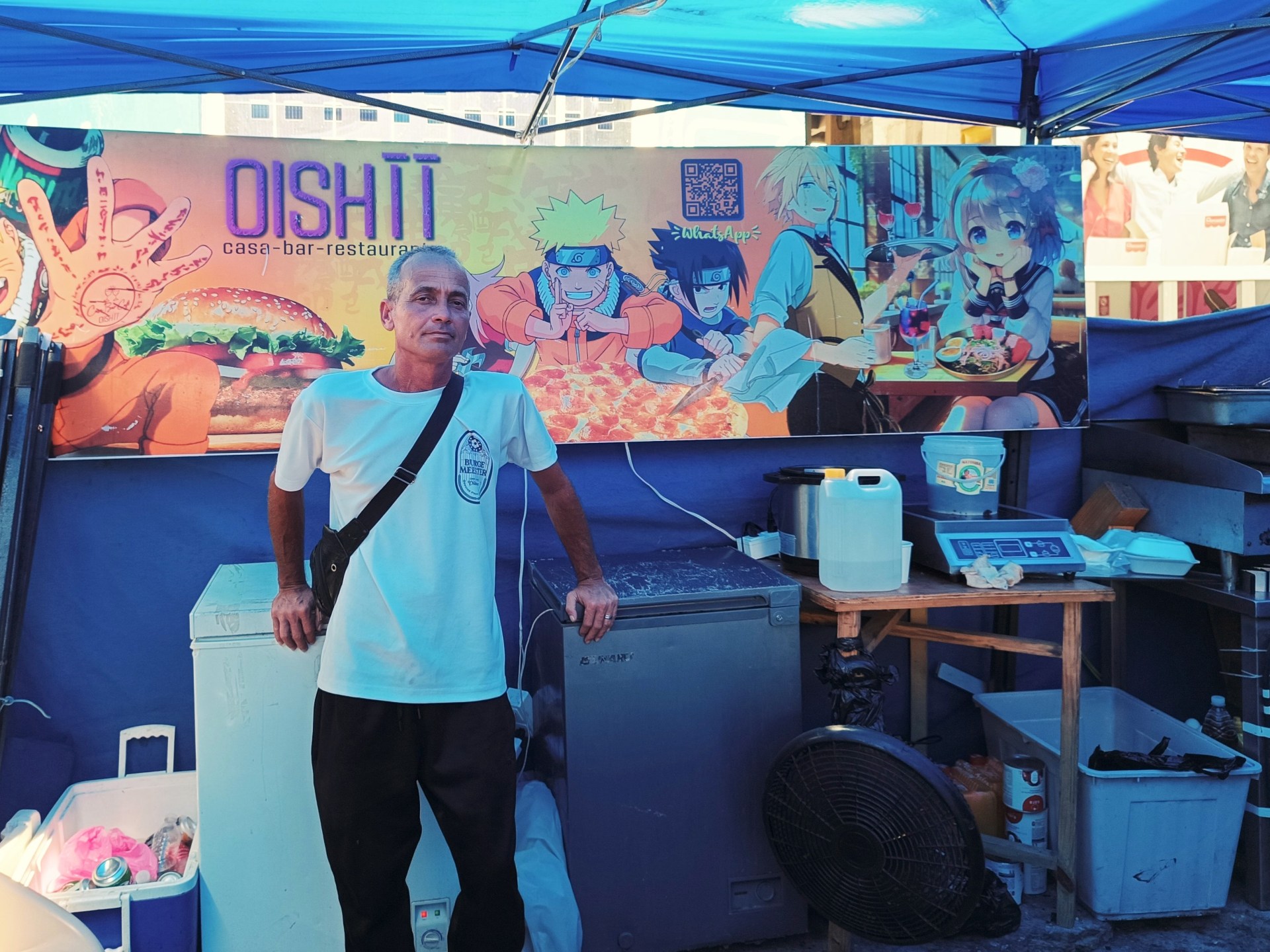
US Oil Blockade on Cuba Impacts Small Family Businesses
A recent development has affected small family firms in Cuba, particularly those struggling with power outages and fuel shortages. In late January, the United States imposed an oil blockade on Cuba under President Donald Trump’s administration.
As a result, businesses like Oishi’s food booth in Pabellon Cuba have been severely impacted. The stand’s owner, Miguel Salva, reported that the fuel crisis has caused significant difficulties for his business. With petrol prices surging to $10 per liter on the black market, Salva had to close his restaurant due to financial constraints.
Other businesses, such as Pincharte, a food vendor, have also been affected by the blockade. The company’s co-owner, Elianis Aguero, stated that without fuel, their expenses have increased eightfold. To adapt to the crisis, both Oishi and Pincharte plan to invest in renewable energy sources.
Industry experts, including Eric Almeida, president of Quota, a consulting company, have noted that the oil blockade has had far-reaching consequences for Cuba’s private sector. The cost of transporting goods has increased significantly, making it more expensive for businesses to operate.
However, the Cuban government has taken steps to support the private sector in response to the crisis. New regulations have been introduced to offer greater opportunities for small and medium-sized enterprises (SMEs) to operate on the island. These changes include tax exemptions for the import of solar panels and the relaxation of rules on marketing agricultural products.
Additionally, a new law has been passed allowing mixed limited liability companies, which will enable private capital to merge with state-owned entities. This move is seen as a significant shift towards greater economic liberalization in Cuba.
Source: Al Jazeera