Ebola Cases Nearly Double in Days Amid WHO Visit to Democratic Republic of Congo
May 30, 2026 • Al Jazeera
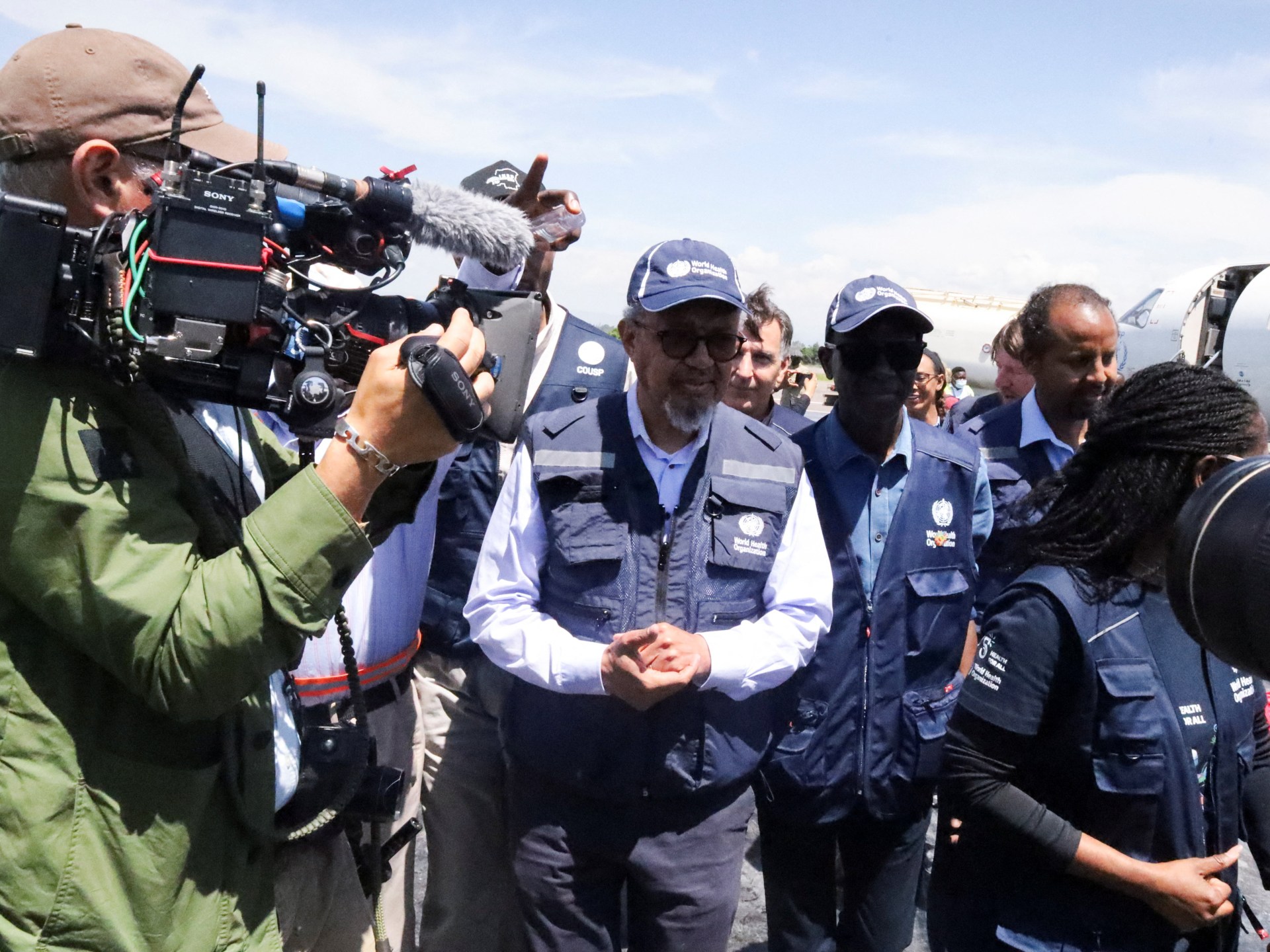
UN Health Agency Head Visits Ebola Outbreak in Eastern Democratic Republic of Congo
The World Health Organization (WHO) director-general, Tedros Adhanom Ghebreyesus, arrived in Bunia, the capital of Ituri province, on Saturday to discuss the response to a rapidly spreading Ebola outbreak. The number of confirmed cases has nearly doubled in two days, reaching 225 as of Friday.
Tedros emphasized the importance of community-led efforts in combating the disease. “The communities understand the problems better, and they know the solution,” he stated. Authorities have recorded 1,028 suspected cases and over 220 suspected deaths in the Democratic Republic of Congo (DRC), with the disease also spreading to neighboring Uganda.
The WHO has declared the outbreak a global health emergency, citing concerns about the virus’s rapid spread. The Bundibugyo virus, a rare and severe form of Ebola, is currently being investigated for potential treatments and vaccines. Medical NGO Doctors Without Borders has reported that the response has not kept pace with the outbreak’s severity.
The DRC government has expanded testing, contact tracing, and monitoring efforts to uncover infections that might otherwise go unrecorded. The European Union has sent medical supplies to Ituri, while the United States has pledged over $112 million in support. However, global funding for the response has decreased by more than half, from $498 million to $219 million.
Tedros met with DRC’s Prime Minister Judith Suminwa Tuluka before arriving in Bunia and expressed confidence that the country could bring the outbreak under control. Nevertheless, containing the disease is complicated by years of conflict in eastern DRC, including attacks on health teams by armed groups and local ethnic militias.
Regional countries have taken measures to contain the spread of the virus, with Uganda and Rwanda shutting their borders with DRC and Washington barring most travelers who have recently visited the region. The WHO advises against such steps, arguing that they are ineffective in discouraging travel.
Source: Al Jazeera