EU faces uncertainty as Hungarys election outcome sparks concerns about its future
April 13, 2026 • Al Jazeera
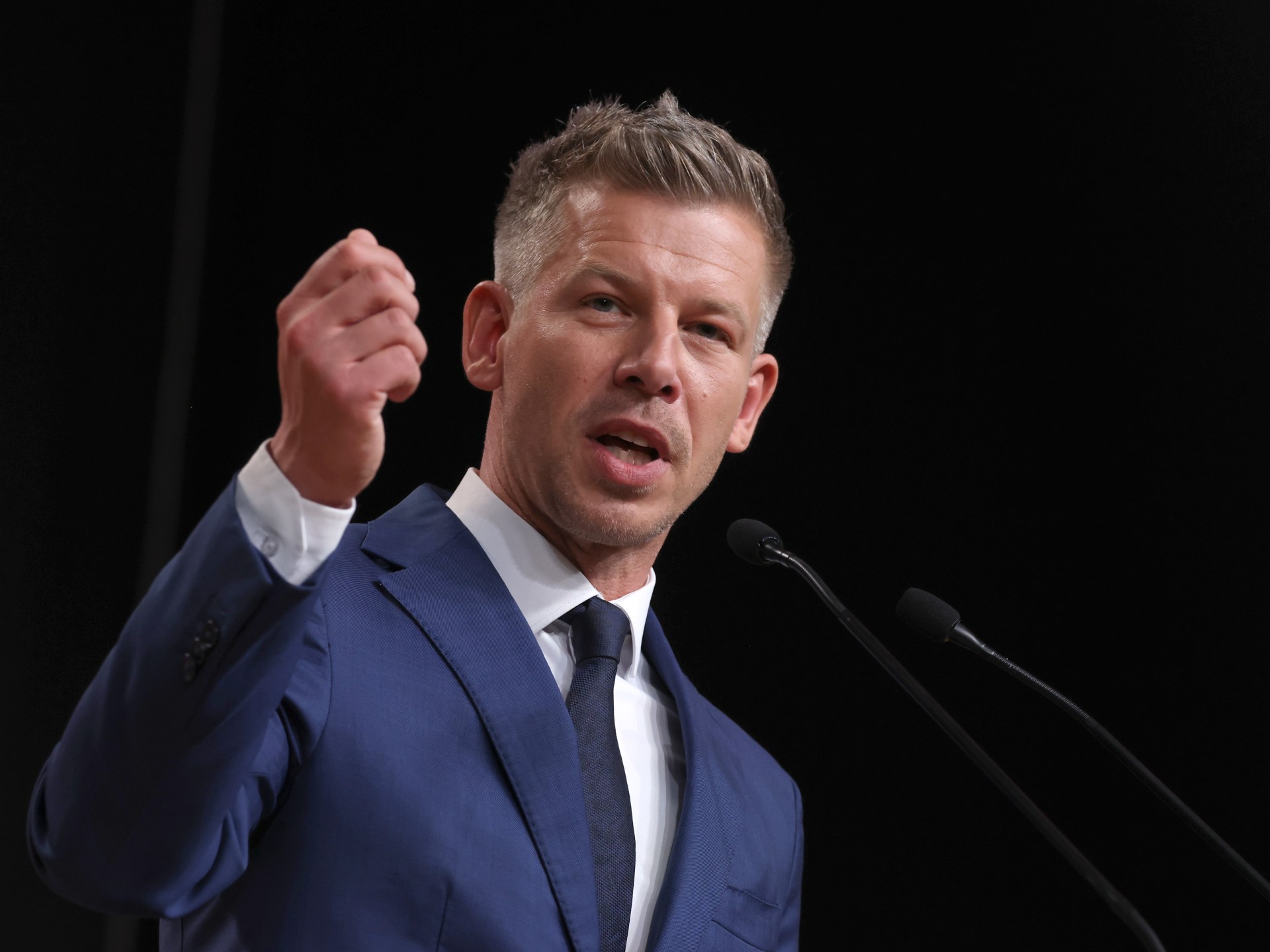
Hungary’s New Prime Minister Signals Shift in EU Relations
Peter Magyar, leader of the Tisza party, won parliamentary elections by a significant margin, marking a potential end to Hungary’s isolation from the European Union. The new government will have access to European funds and be expected to address economic concerns.
Viktor Orban, who ruled for over 16 years, had been in a contentious relationship with the EU, often opposing sanctions against Russia and blocking funding for Ukraine. This approach led to sanctions, limited access to European funds, and diplomatic isolation.
The incoming prime minister has stated that he wants Hungary to be part of the EU’s decision-making process and does not see the country as an isolated state. Magyar’s campaign focused on addressing economic concerns, including inflation and the cost of living.
Hungary has faced significant economic challenges, including almost zero growth over the past three years and high inflation rates. The EU allocated over 16 billion euros to Hungary following the COVID-19 pandemic, but the country has not yet met the criteria required to access this funding.
The new government will need to address several EU concerns, including judicial independence, rule of law, and corruption, before an August deadline. This could lead to a more collaborative approach on issues such as Ukraine, where Magyar opposes Kyiv’s accelerated accession to the bloc but is expected to remove a veto against a 90-billion-euro loan.
Magyar has vowed to bring Hungary back into the Western fold over Russia, while also maintaining Russian imports as an option. The new government will likely prioritize energy security and distance itself from Moscow as a political ally.
The departure of Orban, who was known for his opposition to EU policies, may lead to increased European cooperation on issues such as Ukraine and migration. However, other EU members that had previously aligned themselves with Orban’s views may now be forced to re-evaluate their positions.
Source: Al Jazeera