Europes Mutual Defence Clause Raises Questions About NATO Alternatives
April 30, 2026 • Al Jazeera
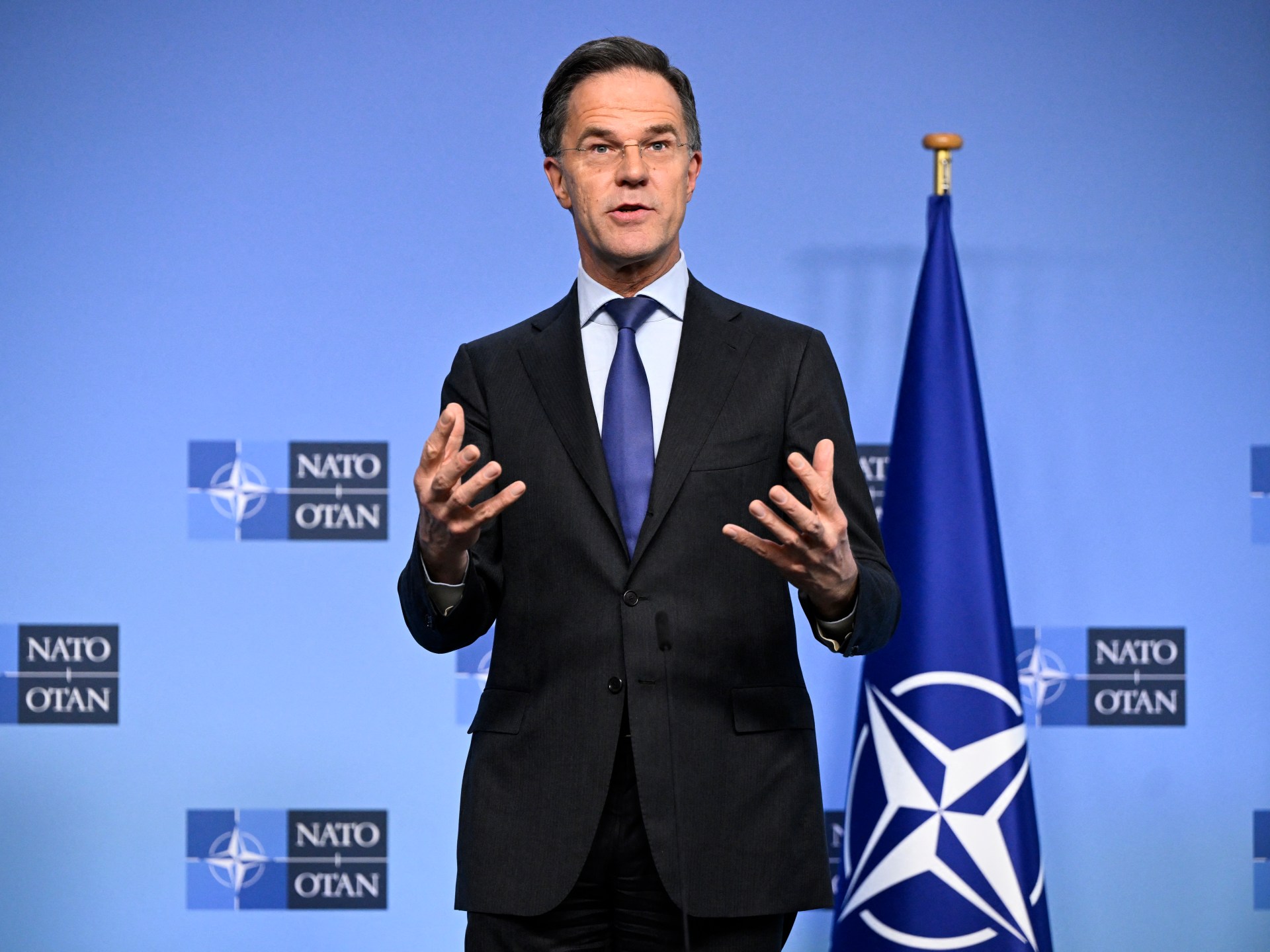
European Leaders Discuss Mutual Assistance Clause Amid US-NATO Tensions
Several European leaders have called for a discussion on using the European Union’s mutual assistance clause, Article 42.7, amid growing tensions with the United States and NATO. The EU treaty’s clause states that if an EU member state is the victim of armed aggression on its territory, other member states are obliged to provide aid and assistance by all means in their power.
NATO, founded in 1949, is a military alliance of North American and European countries built on the principle that an attack on one member is an attack on all. However, years of tension between Washington under President Donald Trump and its European allies have led to increased emphasis on individual defence capabilities among European governments.
The shift comes as Trump has repeatedly criticized NATO members over their defence spending and questioned the value of the alliance. He has also clashed with European leaders over Ukraine and Iran, while threatening to seize Greenland from NATO ally Denmark. The US and Israel’s recent war on Iran escalated tensions after Trump accused allies of failing to support Washington and dismissed NATO as a “paper tiger.”
The Pentagon has reportedly prepared a memo examining options to punish allies viewed as insufficiently supportive during the Iran war. These options include exploring the suspension of Spain, which has been critical of the war, from NATO and reviewing the US position on Britain’s claim to the Falkland Islands.
In response, European leaders are seeking clarification on how Article 42.7 would work in practice if triggered. Cypriot President Nikos Christodoulides stated that leaders agreed it was time to define how the provision would be implemented. French President Emmanuel Macron emphasized the importance of treating the clause as a binding commitment rather than a symbolic gesture.
The European Commission has been tasked with preparing a blueprint on how to respond in case a member state triggers Article 42.7. The EU is also drawing up a “handbook” for the use of the clause, according to Antonio Costa, president of the European Council.
Source: Al Jazeera