Eurovisions popularity wanes amid criticism and declining viewership worldwide
May 16, 2026 • Al Jazeera
Here’s a rewritten version of the article in a neutral newsroom style:
The European Broadcasting Union (EBU) has long maintained that the Eurovision Song Contest remains apolitical. However, this year’s contest may challenge that claim. The event will feature millions of viewers tuning in to watch performances by participating countries.
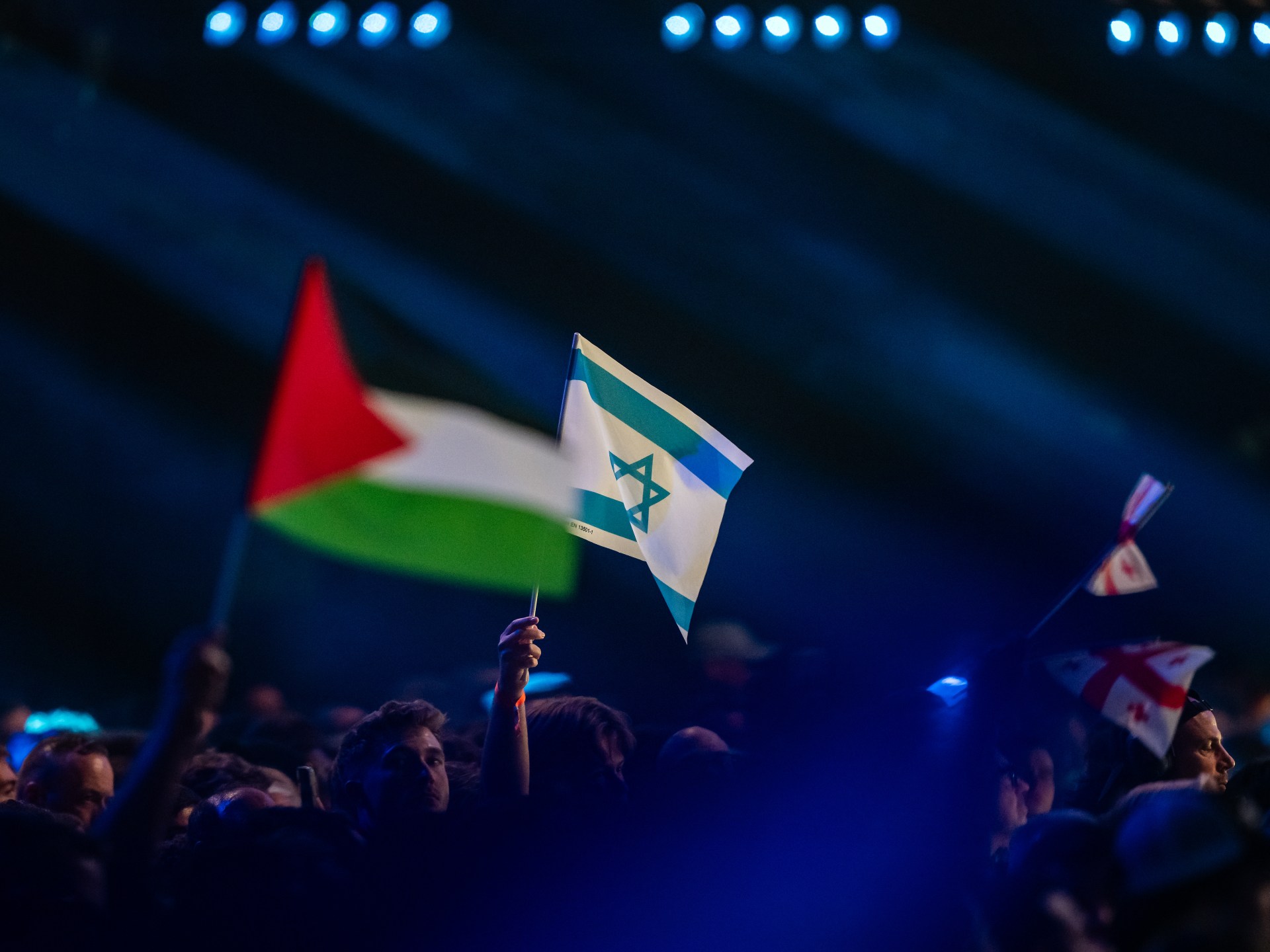
In recent years, Israel’s participation has sparked controversy, with some artists and broadcasters boycotting the event due to concerns over its inclusion. Critics argue that the EBU’s decision to allow Israel to participate while it continues to engage in military actions in Gaza and Lebanon is inconsistent.
The issue has led to accusations of double standards, as the EBU has banned Russia following its invasion of Ukraine in 2022. Some critics believe that participation in Eurovision has become a geopolitical battleground, with countries using the event to exert soft power and promote their interests.
Israel’s President Isaac Herzog reportedly engaged with European broadcasters and political leaders to support Israel’s inclusion in the contest. The country also spent $800,000 on advertising around the 2024 contest in Sweden, according to a recent New York Times investigation.
In 2025, official state channels launched paid digital advertisement campaigns across Europe, instructing viewers to vote for Israel up to 20 times per person. Despite receiving a lower jury score, Israel secured the highest public vote and finished second in the contest.
The EBU has stated that it found no evidence of systemic fraud in the voting process. However, some artists have expressed concerns about the impact of Eurovision on its perceived neutrality. A group of over 1,000 musicians signed an open letter calling for a boycott of the event until Israel is removed.
Some critics argue that music should not be seen as apolitical, and that participation in events like Eurovision can be a form of “cultural whitewashing.” Others believe that even those who choose not to participate are making a political statement. The EBU has reduced the maximum number of votes per person to 10 following concerns over voting manipulation.
The controversy surrounding Israel’s participation in Eurovision highlights the complexities of the event and its role in promoting cultural unity and soft power.
Source: Al Jazeera