Exploring the ethics and consequences of wildlife tourism practices worldwide
February 20, 2026 • Al Jazeera
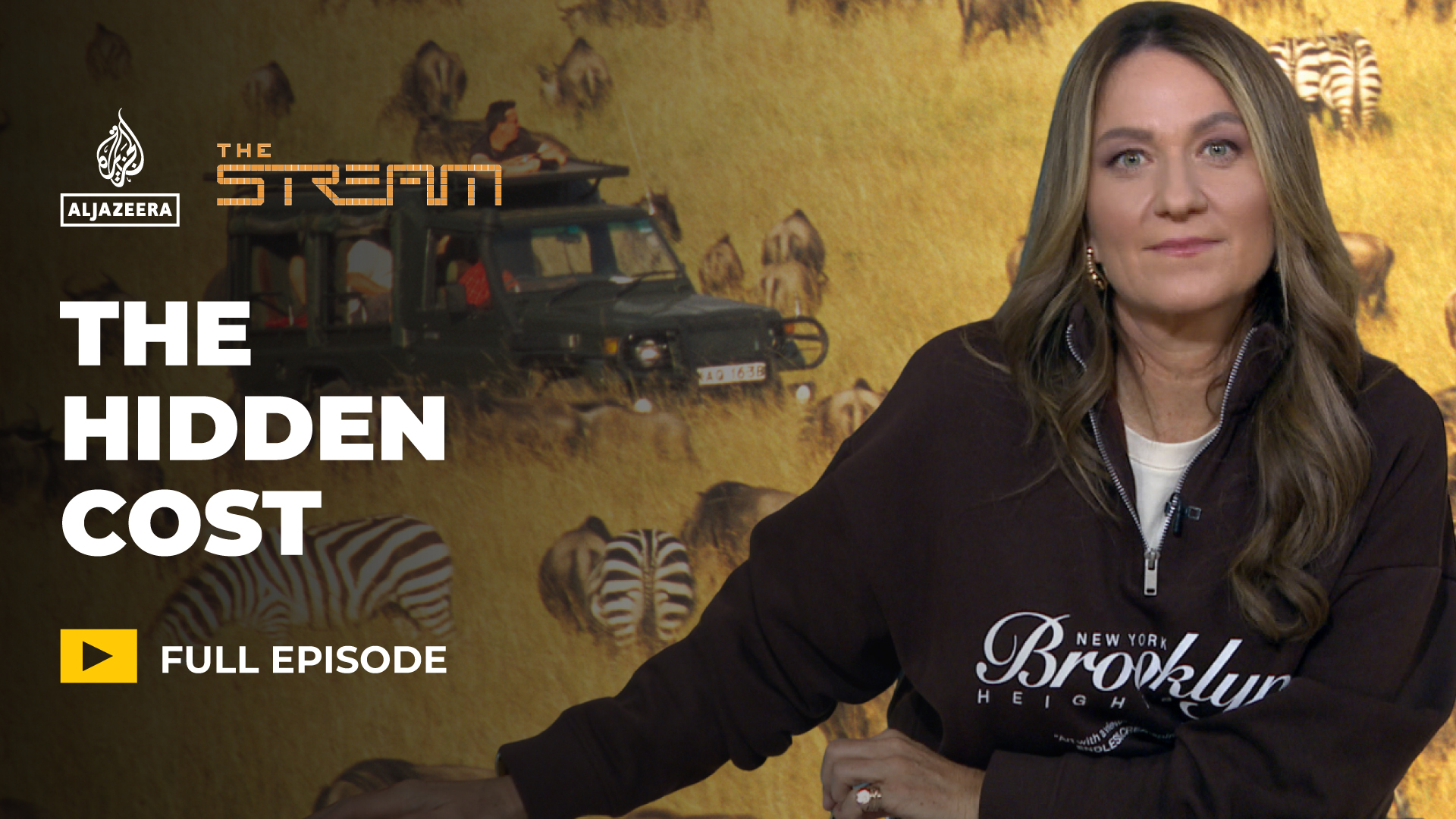
Kenya and Tanzania’s Great Migration Attracts Millions, Raises Concerns Over Conservation and Land Rights
Every year, millions of tourists visit Kenya and Tanzania to witness the Great Migration, one of the world’s most spectacular wildlife events. However, the growing tourism infrastructure is raising concerns among conservationists and community leaders.
According to recent studies, changes in climate and human activities are causing shifts in the migration patterns of various species. Researchers have identified several factors contributing to these changes, including habitat loss, fragmentation, and degradation.
Tourism plays a significant economic role in both countries, generating substantial revenue for local communities. However, the expansion of tourism infrastructure is also having an impact on wildlife corridors and Maasai land rights.
To better understand the complex relationships between conservation, community livelihoods, and profit, experts from various fields have come together to discuss the issue. Joseph Moses Oleshangay, a lawyer and human rights activist, highlighted the importance of protecting Maasai land rights. Chloe Buiting, a veterinarian and wildlife conservationist, emphasized the need for sustainable tourism practices that prioritize animal welfare.
Gladys Kalema-Zikusoka, another veterinarian, discussed the challenges of balancing conservation efforts with community needs. Grant Hopcraft, a researcher and professor at the University of Glasgow, provided insights into the science behind migration shifts and their impact on ecosystems.
The panel discussion aimed to explore whether conservation and community livelihoods can coexist in the face of growing tourism infrastructure.
Source: Al Jazeera