Fuel Prices Rise Across Global South Amid Conflict in Middle East
March 25, 2026 • Al Jazeera
Developing economies in Asia, Africa, and the Middle East are facing significant challenges due to rising energy costs. The United States-Israeli conflict with Iran has led to increased tensions in the global economy, affecting countries heavily reliant on imported energy.
In Pakistan, which imports 80% of its energy from the Gulf, authorities have implemented measures to conserve fuel amid concerns over depleted petrol and diesel reserves. These measures include closing schools, introducing a four-day working week for government offices, and reducing fuel allowances for official business. Pakistani Prime Minister Shehbaz Sharif announced that the government would absorb the cost of rising fuel prices.
In Bangladesh, which imports 95% of its oil, fuel rationing has been introduced to mitigate the impact of depleted reserves. Petrol pumps in some districts have run dry despite these measures. Sri Lanka, which relies on imported energy for 60% of its needs, has declared every Wednesday a public holiday and implemented a mandatory fuel pass system to conserve petrol and diesel.
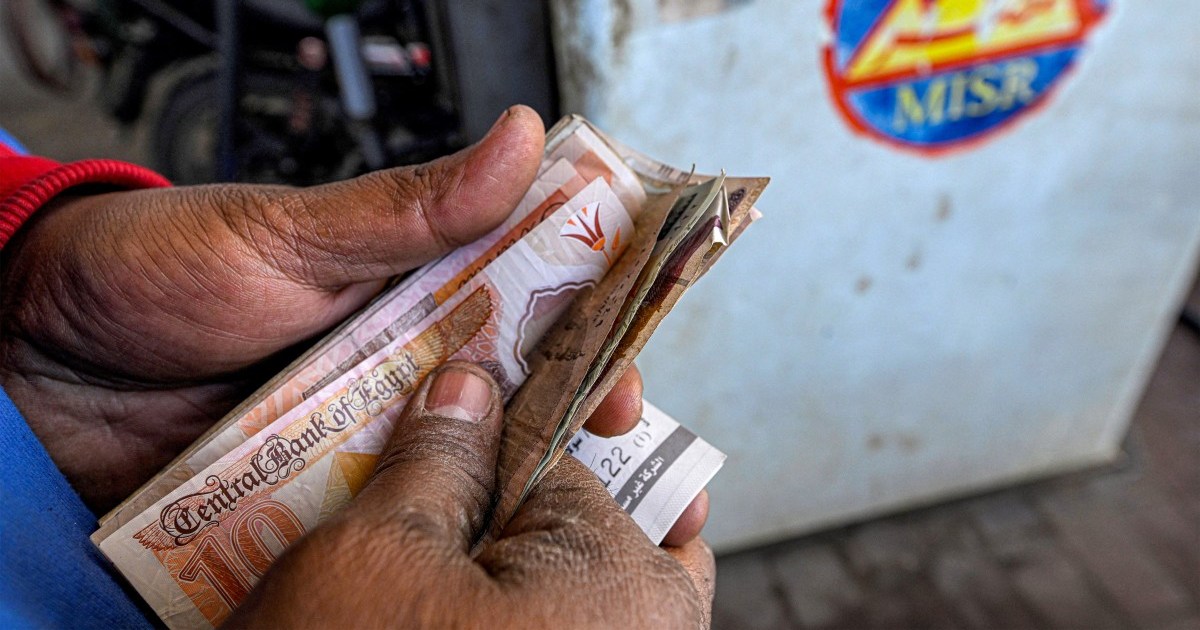
Egypt, one of the largest energy importers in the Middle East, has announced price hikes of between 15-22% for petrol, diesel, and cooking gas. The government has also taken steps to reduce energy consumption, including closing malls, shops, and cafes by a certain time each day.
Experts warn that developing economies with limited financial firepower are particularly vulnerable to the effects of rising energy costs. Countries such as Pakistan, Bangladesh, Sri Lanka, Jordan, Senegal, Egypt, Angola, Ethiopia, and Zambia are among those at risk due to their high reliance on imported energy and fragile macroeconomic foundations.
Source: Al Jazeera