Fuel Prices Surge Amid Strait of Hormuz Crisis in Manila
March 26, 2026 • Al Jazeera
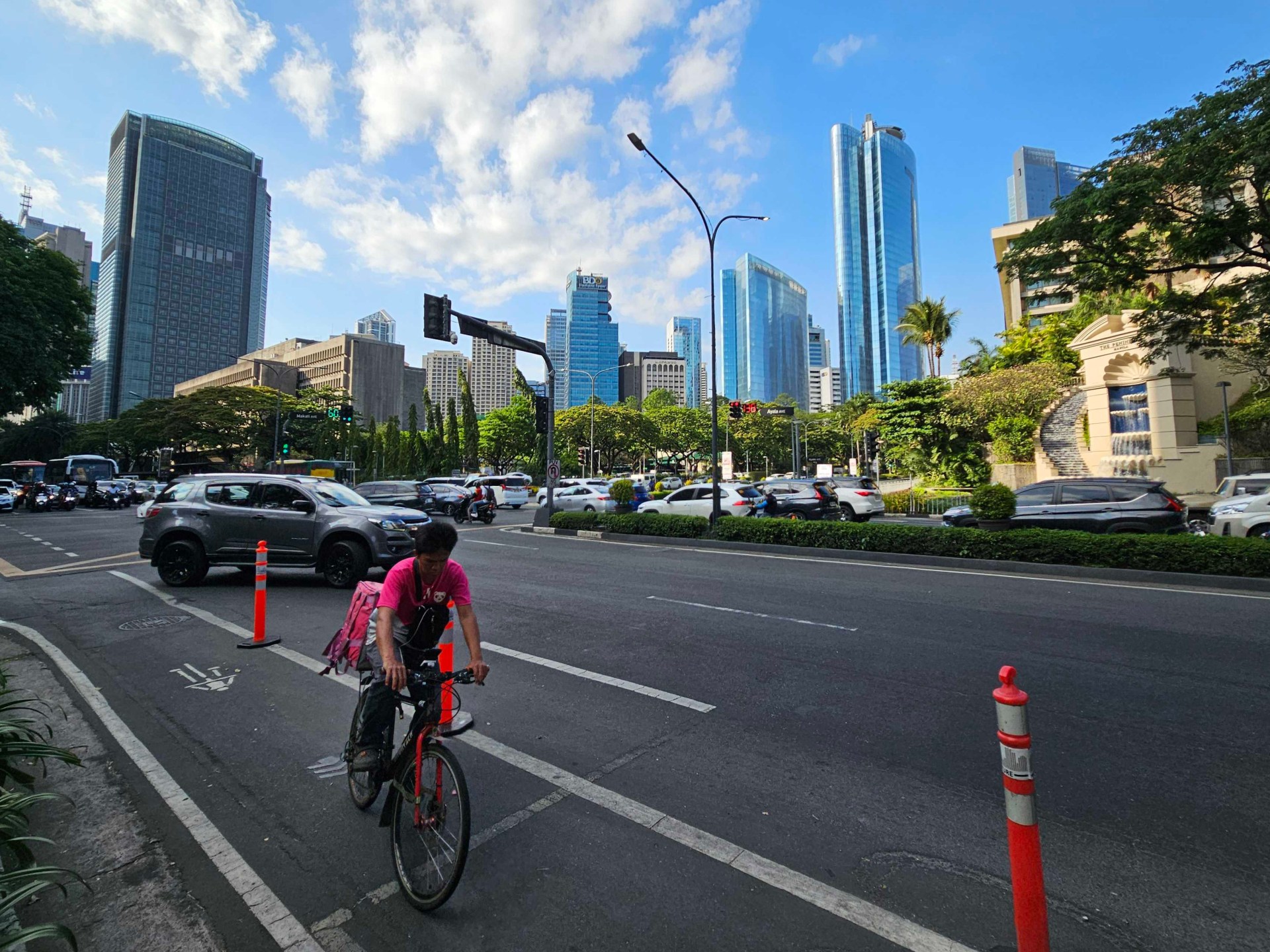
Metro Manila Sees Empty Streets Amid Rising Oil Prices and Economic Concerns
Manila, Philippines - The streets of Metro Manila are largely empty as residents struggle with soaring oil prices, dwindling incomes, and a stagnant economy. According to recent data, commuters in the city spent 188 hours sitting in traffic in 2021, resulting in estimated losses of half a billion dollars to the economy.
A study by AltMobility and Friedrich Naumann Foundation found that this prolonged congestion has become a persistent issue in the region. However, with the recent surge in fuel prices due to the ongoing military operation against Iran, many residents have been forced to stay off the roads.
On a typical Wednesday, the Baclaran Church in Manila is usually bustling with activity, but during Holy Week, the usual festive atmosphere was noticeably absent. Parking attendant Ruben reported working for over 12 hours without earning nearly half his usual tips, resulting in reduced income for himself and his family.
Other residents, such as paper napkin vendor Emily Ruado, are also feeling the effects of the rising oil prices. Her daily income has decreased from $10 to around $5 due to the price hike. “We’re barely surviving,” she said.
The economic situation in the Philippines is becoming increasingly uncertain, with concerns about a sharp increase in basic goods prices and potential job losses for thousands of people. The country’s gross domestic product (GDP) growth rate was predicted to be 5 percent before the Iran war began, but this prediction now seems unlikely.
As fewer vehicles are on the roads, commuters are taking to Manila’s limited railway network, leading to bottlenecks during rush hour at metro stations. This highlights the acute insufficiency of the train system and the ongoing multibillion-dollar infrastructure corruption scandal in the country.
Source: Al Jazeera