Gaza faces severe fuel and gas shortages affecting daily life
March 24, 2026 • Al Jazeera
Here is a rewritten version of the article in a neutral newsroom style:
Gaza’s Gas Supplies Deplete Amid Israeli-Induced Shortages
Residents of Gaza City are facing a severe shortage of gas supplies, with many families waiting months for minimal quantities. The situation has worsened since Israel’s recent conflict on the enclave, which destroyed its public power network.
Private generators have become the primary source of electricity for many households, but the cost of fuel has surged. The price per kilowatt-hour has increased from approximately 2.5 shekels ($0.80) to between 20 and 30 shekels ($7 and $10), making it unaffordable for many families.
Abdullah Jamal, a baker, is one of those affected. He uses wood to keep his oven burning as he prepares bread for displaced families living nearby. “Many Palestinians in Gaza are struggling to find alternatives for cooking and baking,” he said.
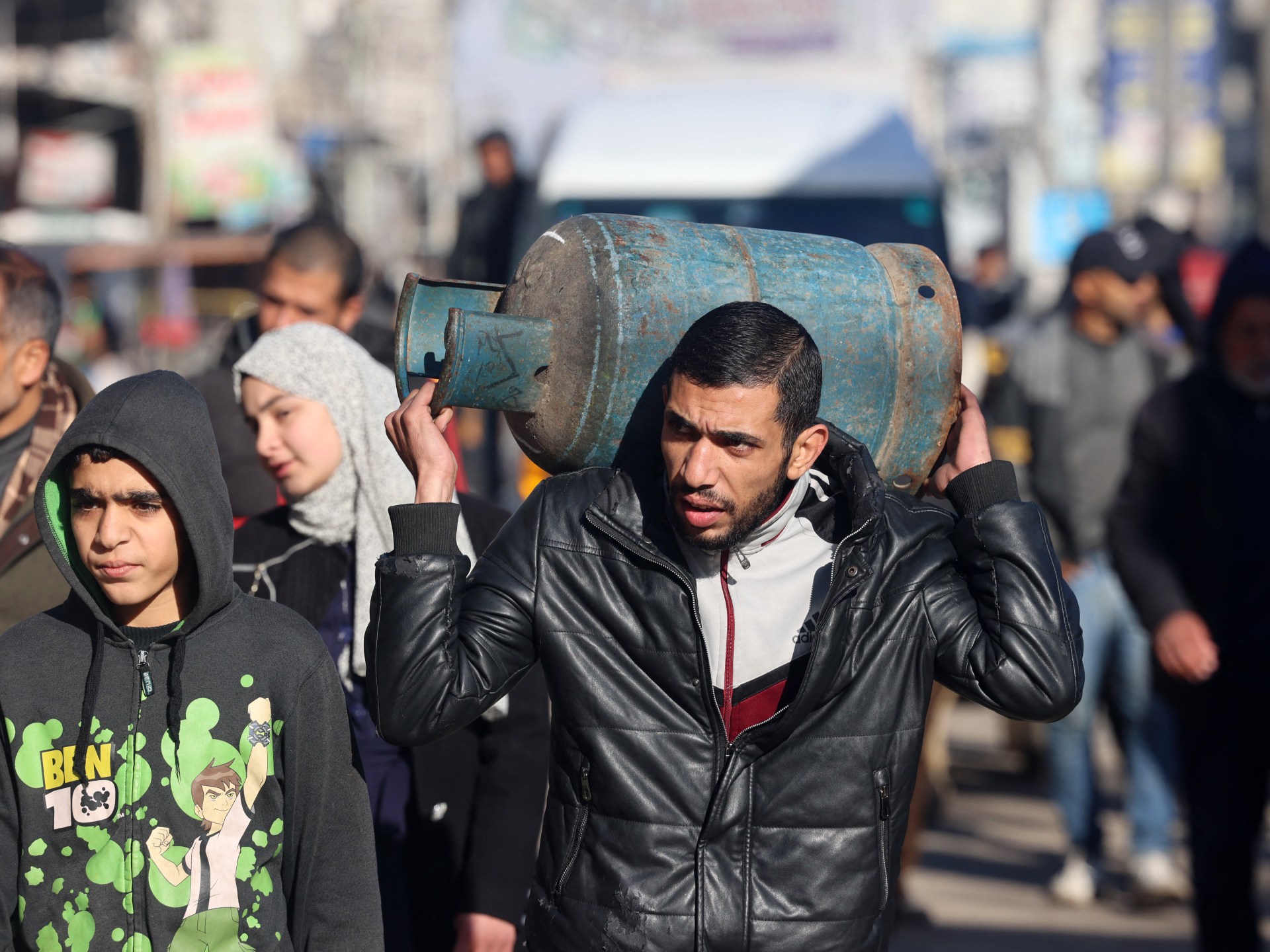
Fuel shipments have been limited, with only 14.7 percent of the agreed-upon amount entering the territory since the October truce agreement with Hamas. The small quantities of gas reaching Gaza are distributed to households, with each family receiving just 8kg (17lbs), delivered every two to three months.
Fuel prices remain volatile, with diesel reaching about 90 shekels ($29) per liter at its peak during the war, and still roughly triple their pre-war level. This has pushed up transportation costs, affecting many families.
According to Gaza government data, Israeli authorities have only allowed 1,190 fuel trucks into the enclave out of the 8,050 that had been expected since the ceasefire began. The agreement stipulates that 50 fuel trucks be allowed into Gaza per day, but compliance is currently at just 14.7 percent.
Iyad al-Shorbaji, director general of Gaza’s Petroleum Authority, stated that the territory requires between 350 and 400 cooking gas trucks per month, as well as 15 million liters (4 million gallons) of diesel and 2.5 million liters (660,000 gallons) of gasoline. He warned that the deficit is disrupting the economic and service sectors, with some facilities forced to operate by buying gas originally allocated to stations or households.
Households now receive an 8kg (18lbs) gas cylinder at irregular intervals, ranging from every 45 days in the best case scenario, to as long as every 100 days in the worst. Before the war, families could obtain gas whenever needed, with an average consumption of about 12kg (26lbs) every 25 days per family.
Source: Al Jazeera