Gaza residents weigh financial options in a resource-scarce environment
February 27, 2026 • Al Jazeera
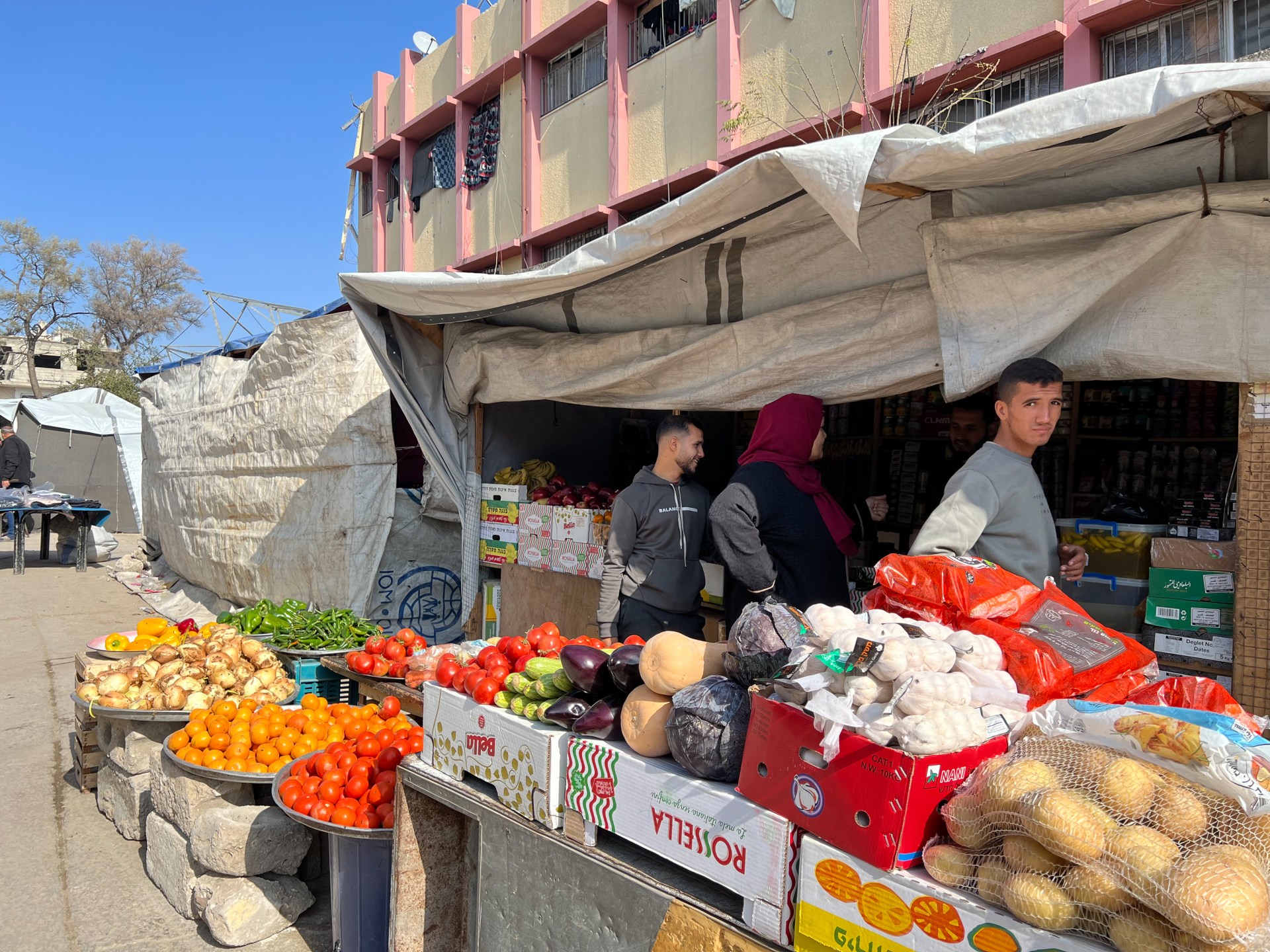
Gaza City Residents Struggle with Daily Life Amid Cash Shortage
In Gaza City’s Remal neighborhood, Samar Abu Harbied stops at a roadside stall to purchase groceries for her family’s Iftar meal during Ramadan. With no cash in her purse, she asks the grocer if she can put the bill on credit until her husband or son wires the money.
Abu Harbied has not used paper notes for months and now walks long distances due to the lack of cash. At a nearby stall run by Najlaa Sukkar’s son Abdallah, Najlaa struggles to catch her breath after a failed attempt to see a doctor for a post-surgery check-up and purchase medication.
Najlaa was unable to pay the 30 shekel (US$9.5) check-up fees due to insufficient funds, and the worn-out banknote she had was rejected by the pharmacist. The taxi driver also refused to accept her banknote, only small change, which Najlaa did not have.
Palestinians in Gaza are facing a severe cash flow problem imposed by Israel following its conflict with Gaza in October 2023. A US-brokered ceasefire has brought little relief, and Palestinians continue to use worn-out currency or rely on electronic payments through smart telephones due to limited internet coverage.
The Palestinian Monetary Authority has promoted mobile-based electronic payments, including PalPay and Jawwal Pay, to help overcome the liquidity problem. However, digital payments have added another layer of hardship for many Palestinians.
Most Palestinians do not receive bank-transferred salaries, and those who have phones struggle to keep them charged due to severe electricity services crisis. Finding a good internet connection for the transfer process is also challenging. Abu Harbied prefers cash in her hand, as she can buy anything on the go, but this is no longer an option.
Analysts say Gaza’s current economic reality started as a liquidity crisis and has become an issue of transition from a regulated financial system to a fragmented survival economy shaped by scarcity, informality, and political constraints.
Source: Al Jazeera