Gazas Economy Devastated by Ongoing Conflict During Ramadan Season
February 23, 2026 • Al Jazeera
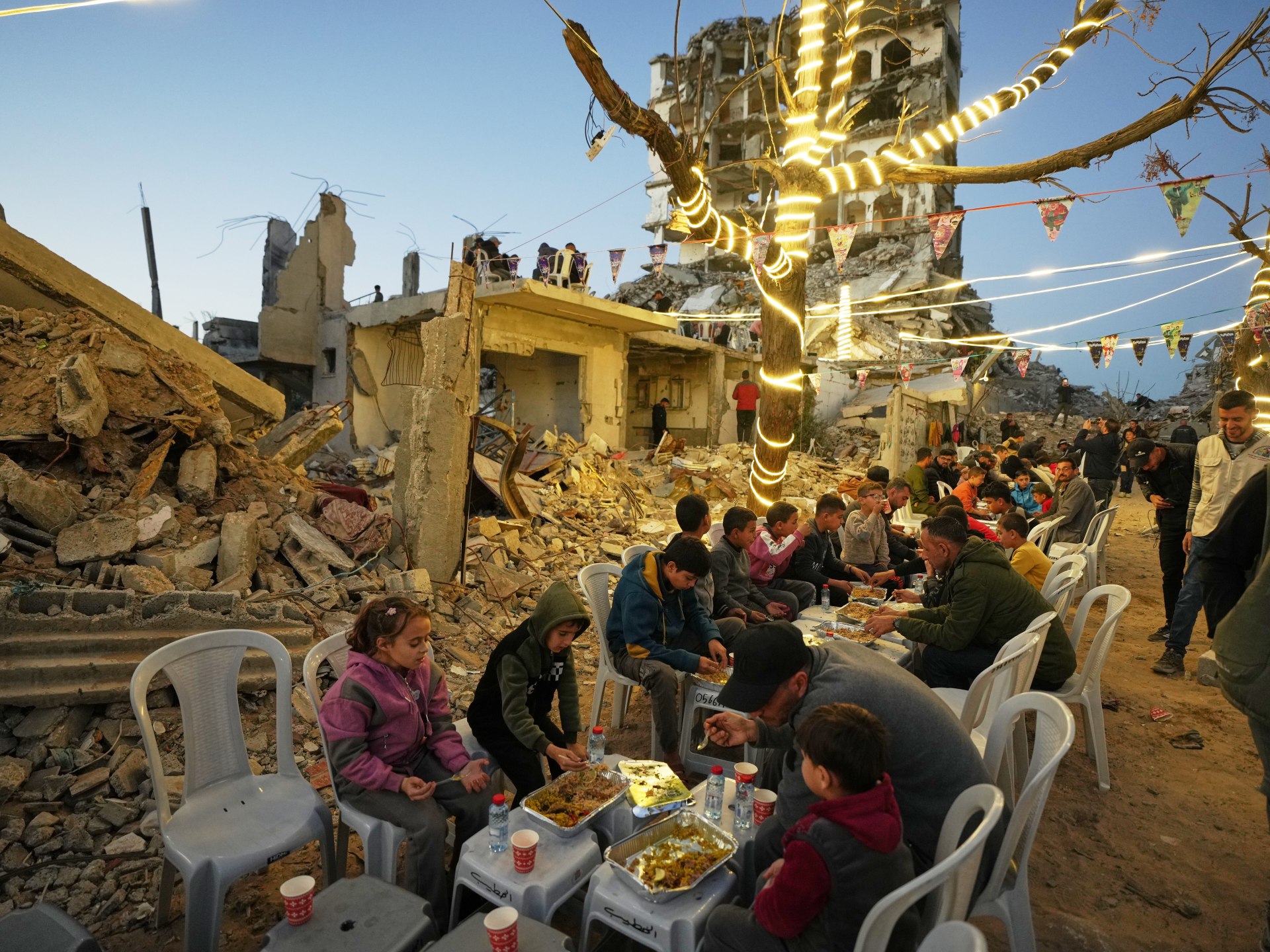
Gaza Residents Face Economic Strains During Ramadan Amid Ongoing Conflict
The holy month of Ramadan has begun in Gaza, but for many residents, the traditional festive atmosphere is being overshadowed by an unabating economic catastrophe. According to official data, prices for basic commodities have skyrocketed since the start of Israel’s conflict with Palestinians two years ago.
A recent analysis by Al Jazeera reveals that food prices have increased significantly, making it difficult for families to afford even basic necessities. During periods when Israel tightened its siege or closed the crossings into Gaza, prices surged by over 700 percent. Although prices have decreased slightly since a “ceasefire” was reached in October, they remain higher than pre-war levels.
Data from the Ministry of Economy in Gaza shows that vegetables, including tomatoes and cucumbers, have seen substantial price increases. Cheese prices have also risen by up to 110 percent, affecting the cost of suhoor, the predawn meal before Ramadan begins.
The estimated cost of a basic iftar for a family of six has increased to around 150 shekels ($48), up from 79 shekels ($25.32) before the war, representing an 88 percent increase. The combined daily cost to feed a medium-sized family now stands at 181.5 shekels ($58.17), an 88 percent jump from pre-war figures.
The economic situation in Gaza has deteriorated significantly since the start of the conflict. A United Nations report released in late 2025 indicated that the annual per capita income in Gaza plummeted to $161 (503 shekels) in 2024, down from $1,250 (3,900 shekels) in 2022.
Economic experts attribute the inflation to Israel’s restrictive entry policies and “coordination fees” imposed on trucks. They also point to a monopoly system that restricts competition and keeps prices artificially high.
Source: Al Jazeera