Gazas upscale eateries face criticism over perceived elitism and exclusivity
May 2, 2026 • Al Jazeera
New Establishments Emerge in Gaza Amid Devastation
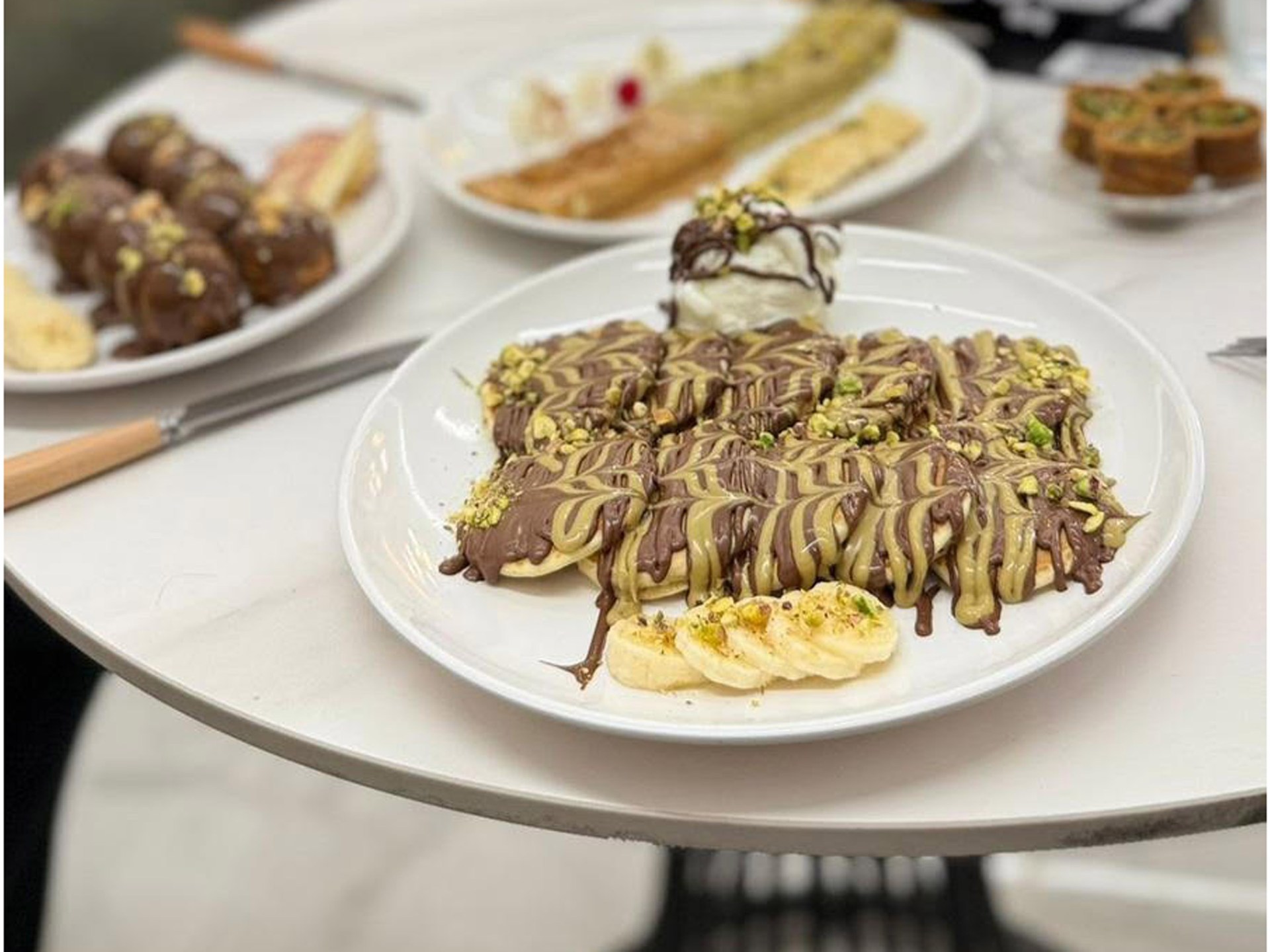
A recent visit to Gaza City revealed a stark contrast between the city’s current state and its pre-war existence. The area is littered with rubble, making it difficult to recognize familiar streets. New cafes and restaurants have appeared, constructed with expensive materials and featuring luxurious amenities such as glass facades and shining lights.
These establishments are not temporary or makeshift, but rather permanent fixtures in the devastated landscape. They cater to a select group of individuals who have benefited from illicit activities during the war, including smuggling, looting, and hoarding. This wealth is now being expressed through these new businesses.
In stark contrast, the majority of Gaza’s population struggles with poverty, living in tents without access to basic necessities like electricity or potable water. Many have lost their livelihoods, relying on limited aid from Israel. The author, who resides in a tent near the rubble of their former home, is among those affected.
The emergence of these new establishments reflects the deeply unjust social order that has emerged in Gaza. They represent a privileged class that has benefited from war profiteering, while the majority suffers from the collapse of essential services and basic needs. The author notes that even accessing these establishments can be a luxury, with prices significantly higher than pre-war levels.
The author’s experience at one such restaurant, Al-Taboon, highlights the limited nature of relief for those who can afford to visit these establishments. While they may enjoy short moments of normalcy, these are often accompanied by anxiety about returning to the destroyed landscape and trauma. The contrast between the luxurious atmosphere of these cafes and the harsh reality of life in Gaza serves as a poignant reminder of the ongoing humanitarian crisis in the region.
Source: Al Jazeera