Global economy feels impact of escalating Iran conflict in the region
March 25, 2026 • Al Jazeera
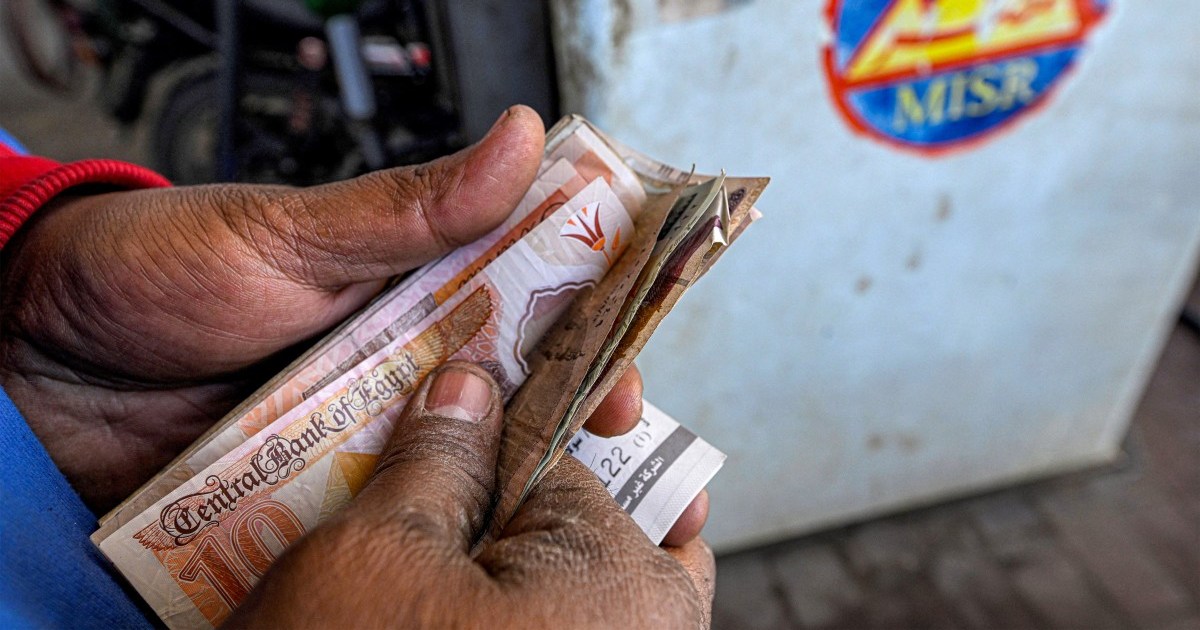
Developing Economies in Asia, Africa, and the Middle East Face Energy Cost Surge
The United States-Israeli conflict with Iran has led to increased energy costs globally. Countries in Asia, Africa, and the Middle East are particularly affected due to their high reliance on imported energy.
Policymakers in Pakistan, Bangladesh, Sri Lanka, Jordan, Egypt, and other countries are facing challenges as they import a significant portion of their energy needs from the Gulf region. With limited financial resources to absorb the shock of rising prices, these nations are struggling to mitigate the impact of surging energy costs.
In response to the crisis, Pakistani authorities have implemented measures to conserve fuel, including closing schools and reducing public sector employee work hours. The government has also reduced fuel allowances for official business and slashed subsidies on petrol and diesel.
Fuel rationing has been introduced in Bangladesh, while Sri Lanka has declared every Wednesday a public holiday and implemented a mandatory fuel pass system to conserve petrol and diesel stocks. In Egypt, the government has ordered malls, shops, and cafes to close early and cut back on public lighting due to growing pressure on public finances.
Experts warn that the situation may worsen if the conflict drags on, with potential economic activity disruptions and increased petroleum prices. The hardest hit countries are those with high energy import dependence, fragile macroeconomic foundations, and low per capita income.
According to a recent analysis, Pakistan, Bangladesh, Sri Lanka, Jordan, Senegal, Egypt, Angola, Ethiopia, and Zambia are among the most at risk due to their reliance on imported energy and limited financial resources.
Source: Al Jazeera