Global efforts to improve child welfare and development are underway nationwide
January 1, 2026 • Al Jazeera
Save the Children International CEO Calls for Innovative Aid Model Amid Global Crisis
As 2026 begins, a stark reality emerges: children worldwide face unprecedented levels of need, while the humanitarian system struggles to keep pace. In January 2025, the United States abruptly halted foreign aid, resulting in billions of dollars being withdrawn from critical programs. This sudden shift had far-reaching consequences, including the suspension of offices, closure of staff positions, and loss of access to essential services such as food, healthcare, education, and protection for millions.
Save the Children International was forced to make difficult decisions, including closing country offices, cutting thousands of staff positions, and winding down life-saving operations. The organization estimated that approximately 11.5 million people, including 6.7 million children, would be directly impacted by these cuts. This move came at a time when children globally faced significant challenges, including conflict, displacement, and climate change.
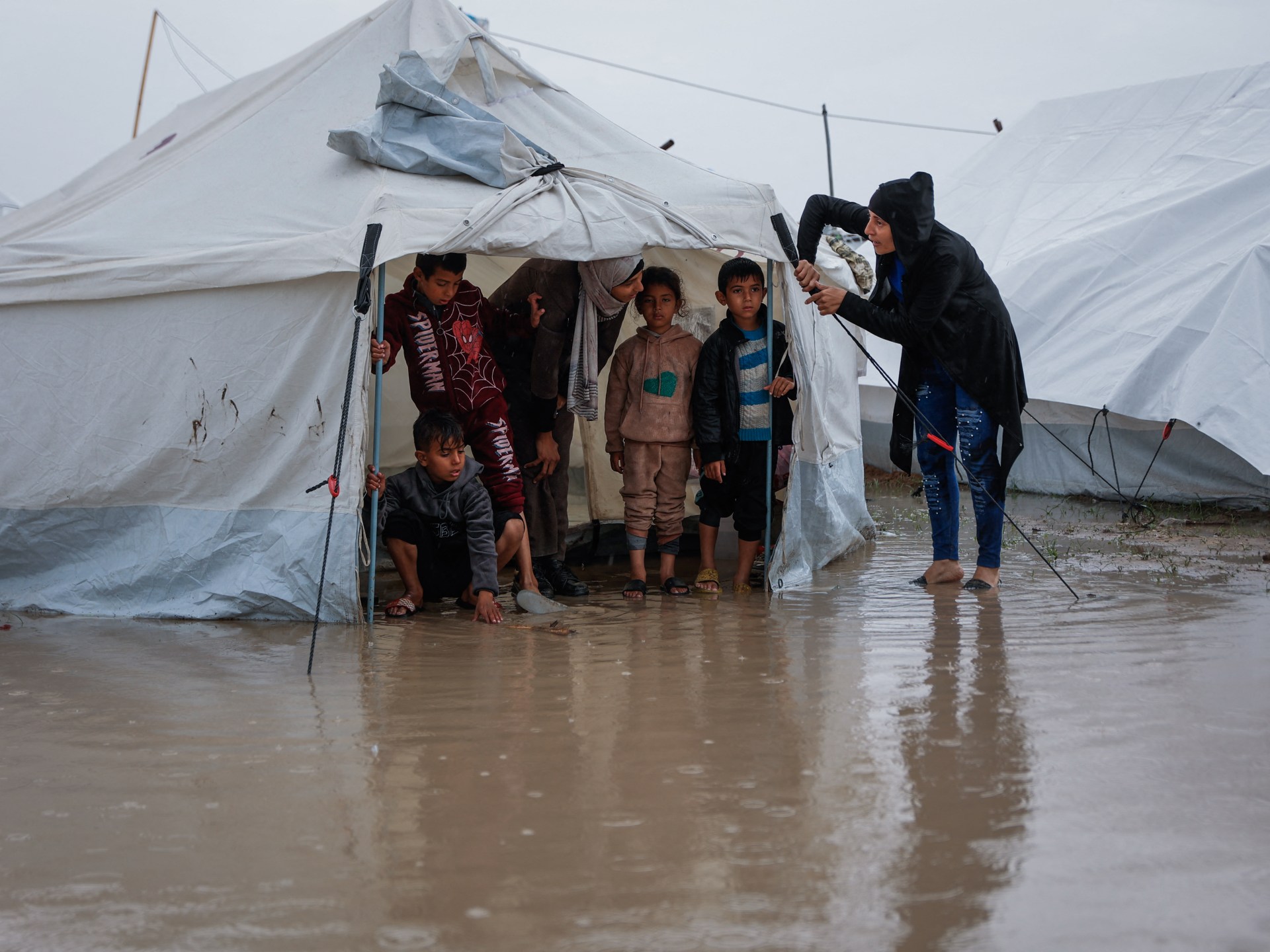
According to recent data, one in every five children lives in an active conflict zone, where they are vulnerable to violence, exploitation, and other forms of harm. An estimated 50 million children worldwide are displaced from their homes, while nearly half the world’s children – approximately 1.12 billion – cannot afford a balanced diet. The numbers paint a picture of a global failure to address these issues.
The collapse of aid was not an abstract decision but had a direct impact on children’s lives. Health clinics and classrooms were closed, leaving children without access to essential services during a time of increased violence, climate shocks, and displacement. The crisis highlighted the fragility of the global aid system, which relies heavily on government donors.
Despite the challenges, there have been moments of progress. In some areas, local organizations, families, teachers, and health workers have found ways to continue providing care and creating safe spaces for children. These efforts underscore the importance of responding to children’s needs in a locally led and sustainable manner.
In light of these events, Save the Children International is calling for an innovative aid model that prioritizes the needs of children and their communities. This shift would require approaches that are more accountable, locally led, and sustainable. The organization believes that this change is critical for ensuring that children’s rights are protected and their futures are secured.
Source: Al Jazeera