Global Energy Crisis: Nations Weigh Winners and Losers in Market Shift
March 12, 2026 • Al Jazeera
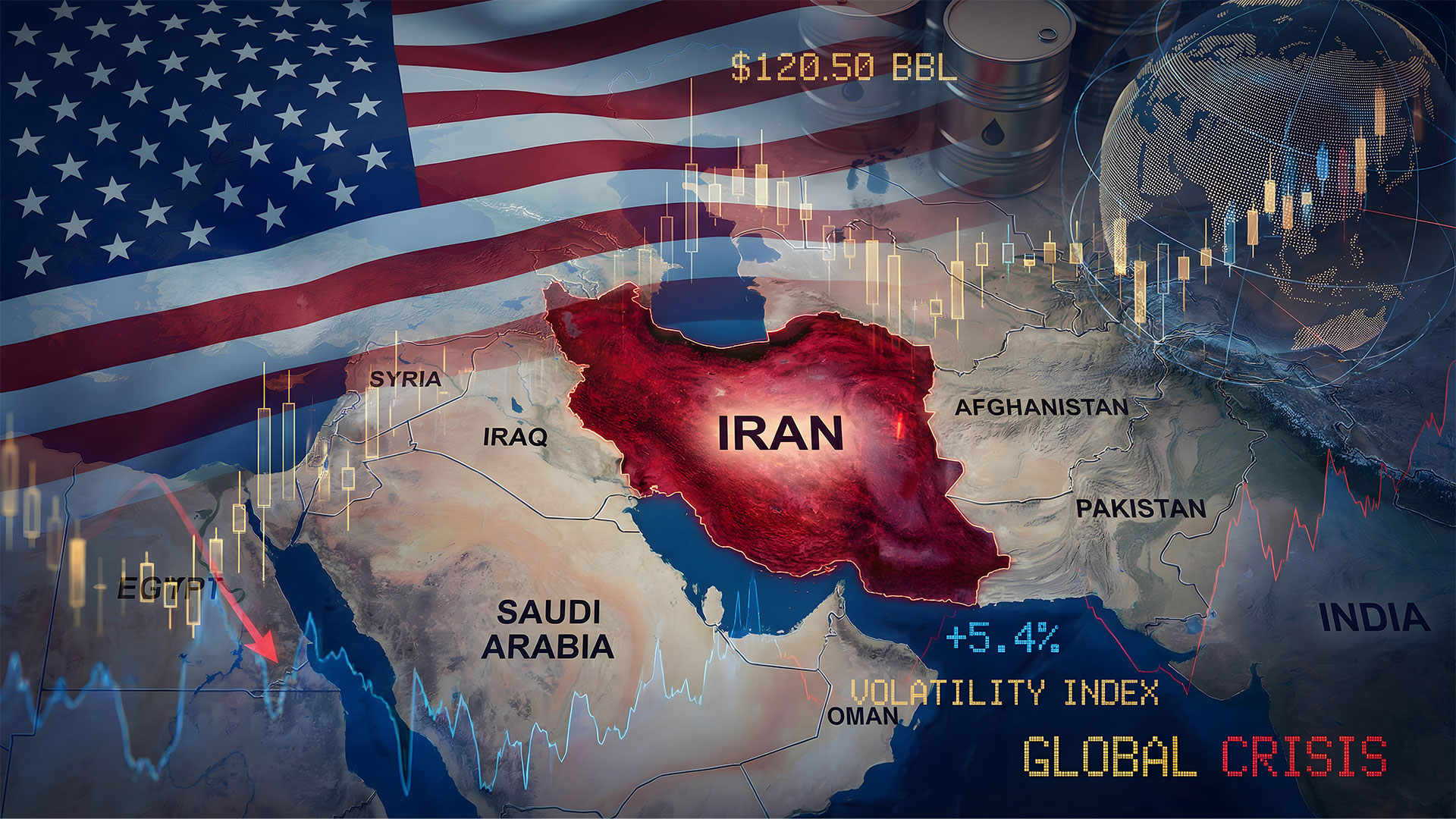
Global Oil Prices Cause Economic Shifts as Conflict Intensifies
The recent surge in oil prices has led to varying economic outcomes for different countries. The ongoing conflict in the Middle East is highlighting the world’s reliance on a limited number of strategic chokepoints, with the Strait of Hormuz currently closed.
As a result, many nations are facing mounting supply risks and potential inflationary pressures. Countries in Europe and Asia are particularly vulnerable to disruptions in global energy markets. If the conflict between the US, Israel, and Iran continues, it may become increasingly difficult for countries to find alternative sources of energy.
In contrast, Russia is experiencing economic benefits from the rising oil prices. Despite Western sanctions, Moscow’s government is seeing increased revenue as a result of higher oil prices. This shift in the global energy landscape has significant implications for economies worldwide.
The prolonged closure of the Strait of Hormuz could lead to a rapid reshaping of the global energy map. As countries adapt to these changes, they will need to consider alternative sources of energy and diversify their supply chains. The impact of this shift is already being felt, with many nations facing rising costs and potential economic instability.
The ongoing conflict in the Middle East is expected to continue to have a significant impact on global energy markets, leading to further economic shifts and challenges for countries around the world.
Source: Al Jazeera