Global Oil Crisis Compared to 1973 Embargo in Historical Context
March 24, 2026 • Al Jazeera
Here is a rewritten version of the article in a neutral newsroom style:
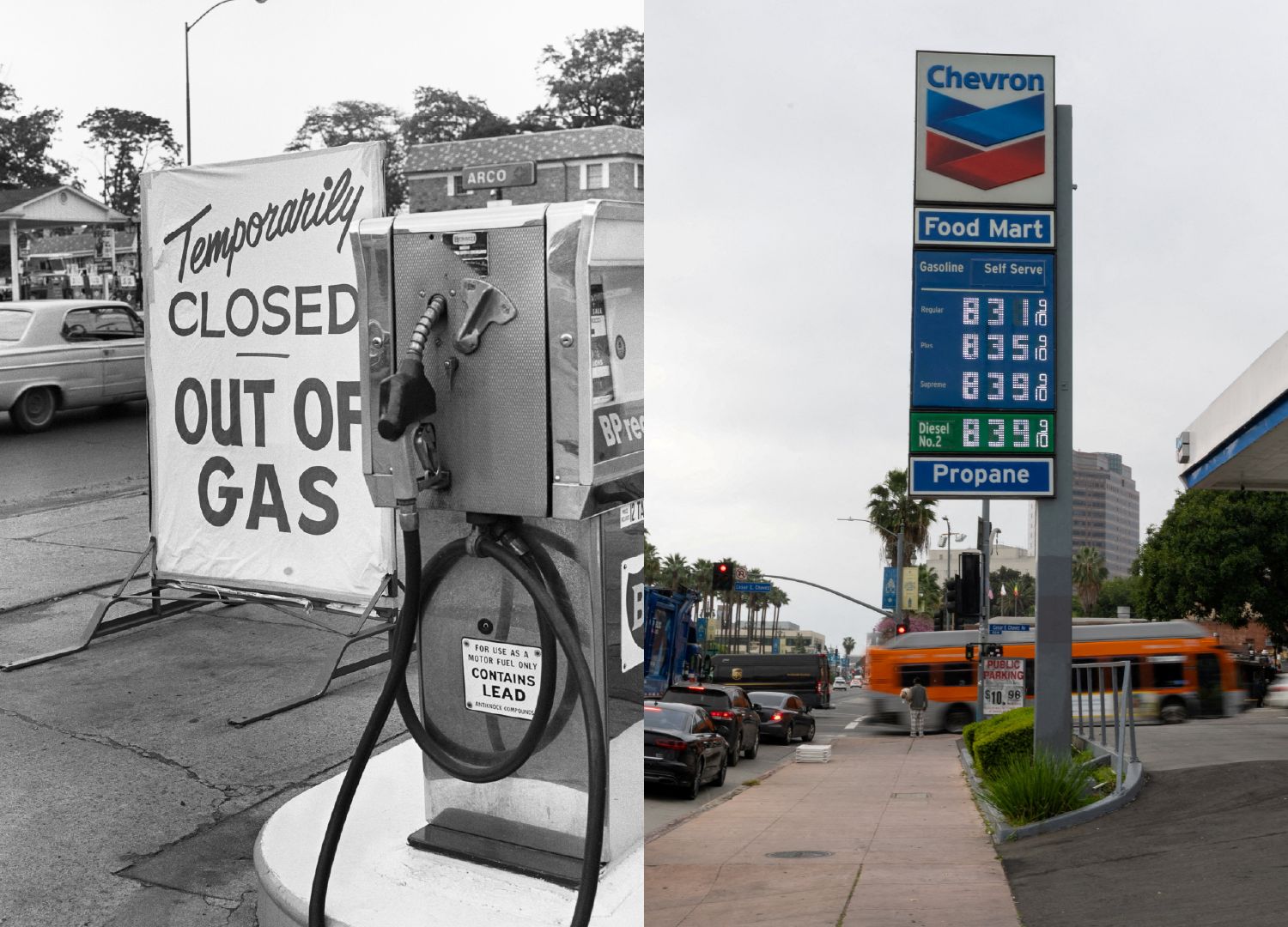
The United States-Israeli conflict has led to the largest oil disruption in history, according to the International Energy Agency (IEA). The agency was established in 1974 as a response to the 1973 oil embargo. At that time, Arab nations, led by Saudi Arabia, reduced production in response to US support for Israel during its war with Egypt and Syria.
Today, Iran’s closure of the Strait of Hormuz is affecting global oil supplies. The strait, which connects the Persian Gulf to the Gulf of Oman, allows only a limited number of ships to pass through, halting the transport of over 20 million barrels of oil per day - roughly one-fifth of global petroleum consumption.
The price of Brent crude has increased significantly since the start of the conflict, rising from $66 per barrel to over $100. In response, the IEA’s 32 member countries have agreed to release 400 million barrels of oil from their strategic reserves.
To mitigate the crisis, the IEA is advising consumers and businesses to reduce travel, work remotely, and use electricity for cooking instead of gas. However, experts note that these measures may not address a global oil shortage if the current situation persists.
The 1973 oil embargo saw Arab nations cut production by 5% per month, raising prices by 70%, and banning oil shipments to the US. The Netherlands, Portugal, and South Africa were also targeted for their support of Israel. At the time, the Middle East accounted for 36% of world oil production.
The impact of the embargo was felt globally, with oil imports in the US dropping by 15%. The price of crude oil surged from less than $3 per barrel to over $12 within months, equivalent to a jump from $22 to around $75-$80. American drivers saw their petrol prices increase from 38 cents per gallon to 55 cents per gallon, an almost 45% rise.
Similar disruptions were experienced in Western Europe and Japan, which relied heavily on foreign crude oil imports at the time.
Source: Al Jazeera