Gulf crisis affects South Asian farmers due to fluctuating crop yields
April 2, 2026 • Al Jazeera
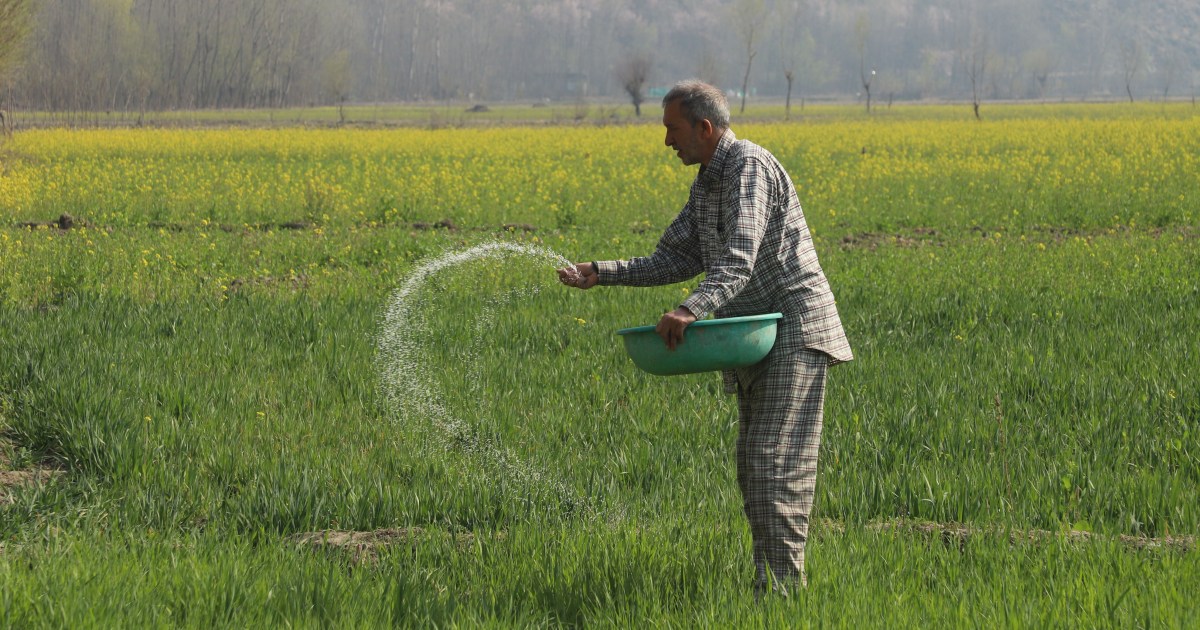
Farmers in South Asia Face Uncertainty as Fertilizer Costs Rise
As the sowing season approaches, farmers in the region are facing increased uncertainty due to rising fertilizer costs. Ramesh Kumar, a 42-year-old farmer from Gurdaspur, Punjab, India, is struggling to make ends meet. He is calculating the costs of fertilizers, expected yields, and market prices for his wheat crop, while also considering personal expenses such as school fees and loan repayments.
The uncertainty has crept in quietly, with fertilizer prices becoming more expensive and harder to secure in time. Kumar’s main concern is not just the cost but the difference between stability and strain. He notes that if prices rise further, he will have to cut somewhere, potentially delaying his daughter Varsha’s wedding.
The situation is not unique to Kumar; farmers across South Asia are facing similar challenges. The region relies heavily on fertilizers for staple crops such as wheat and rice, with the agriculture sector employing a significant portion of the workforce. In India, the sector contributes $400 billion to the economy and supports the livelihoods of over half the population.
A recent escalation in tensions between the United States, Israel, and Iran has disrupted global oil supplies, affecting the transportation of fertilizers through the Strait of Hormuz. The shipping lane, which spans over 2,000 kilometers, is a critical route for the supply of liquefied natural gas (LNG) essential for manufacturing nitrogen-based fertilizers.
The impact of this disruption is being felt thousands of kilometers away, with farmers already experiencing reduced crop yields and increased costs. As the situation continues to unfold, farmers like Kumar are left to navigate uncertain futures, making difficult decisions about how to prioritize their expenses.
Source: Al Jazeera