Hope and Fear Stuck Behind Gazas Rafah Crossing After Two-Year Closure
January 27, 2026 • Al Jazeera
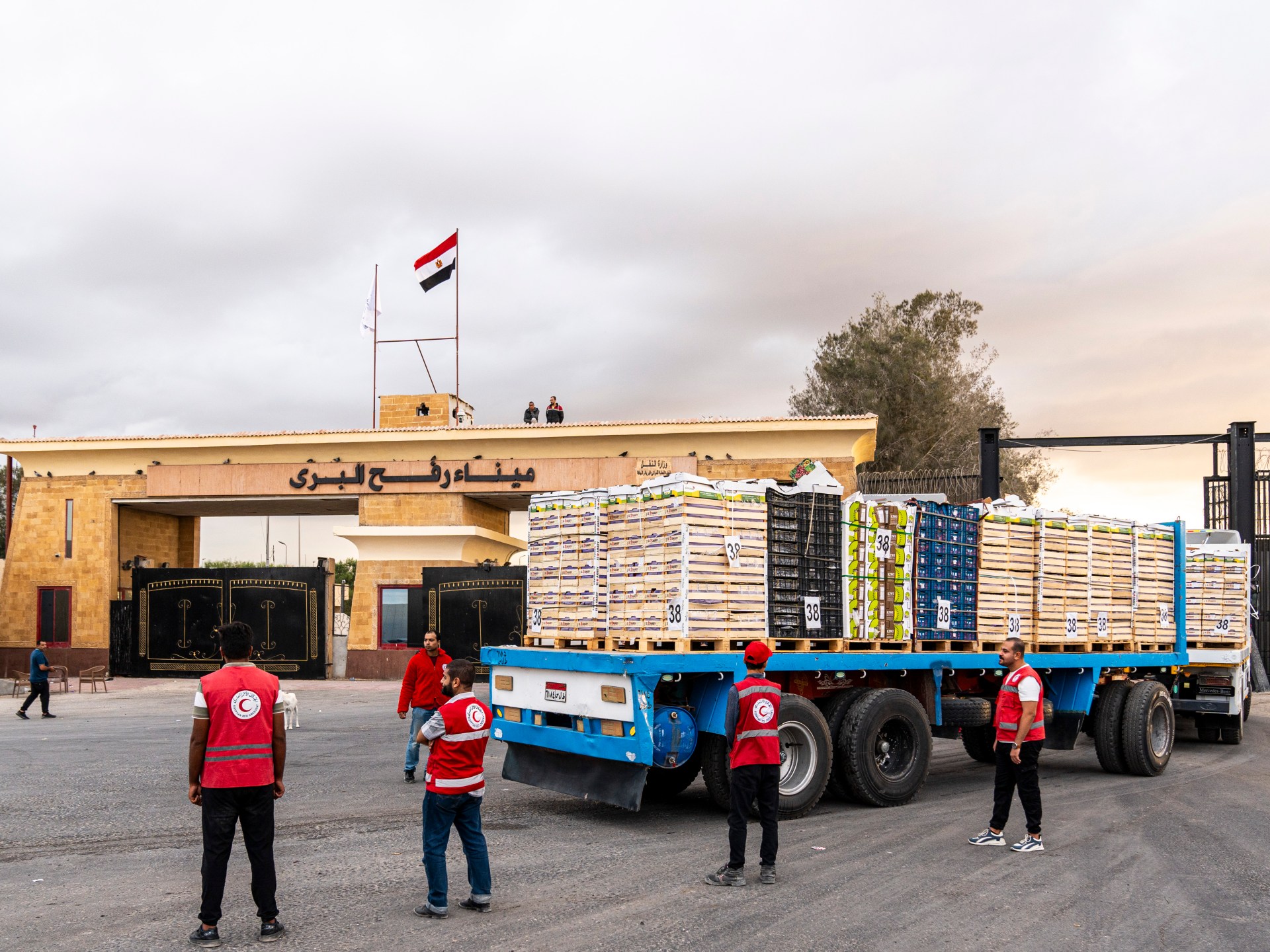
Here is a rewritten version of the article in a neutral newsroom style:
Deir el-Balah and Khan Younis, Gaza - Khitam Hameed has been waiting for two years to hear news about her family’s travel plans. The reopening of the Rafah crossing, which was closed by Israel as part of its blockade on Gaza, could allow her family to reunite with her husband outside Gaza.
Khitam’s 14-year-old son, Yousef, suffers from a rare genetic disorder called Ehlers-Danlos Syndrome (EDS), which has required extensive treatment and surgery. The war in Gaza has made it difficult for him to receive the medical care he needs. Khitam says that since the conflict began, her son’s condition has deteriorated, and she is no longer able to monitor his health.
The reopening of the Rafah crossing was tied to the recovery of the remains of the final Israeli captive, but it also brings hope for thousands of Palestinians who are in need of medical treatment or family reunification. Khitam’s husband, Hatim, left Gaza weeks before the conflict began and is now living in Egypt. Khitam has been alone with their six children, including Yousef, since then.
The Rafah crossing was previously a lifeline for Palestinians, allowing them to travel to Egypt for medical treatment or to visit relatives abroad. Its closure marked a significant turning point in the humanitarian crisis in Gaza. The shutdown reduced the flow of medical aid and essential supplies, impacting thousands of patients waiting for treatment outside Gaza.
Khitam’s family has been living in a displacement site in the Nuseirat refugee camp near Deir el-Balah since the war began. They are now anxiously awaiting news about the reopening of the Rafah crossing and its potential impact on their lives.
Source: Al Jazeera