Houiti rebels face uncertain future in potential Iran conflict
March 6, 2026 • Al Jazeera
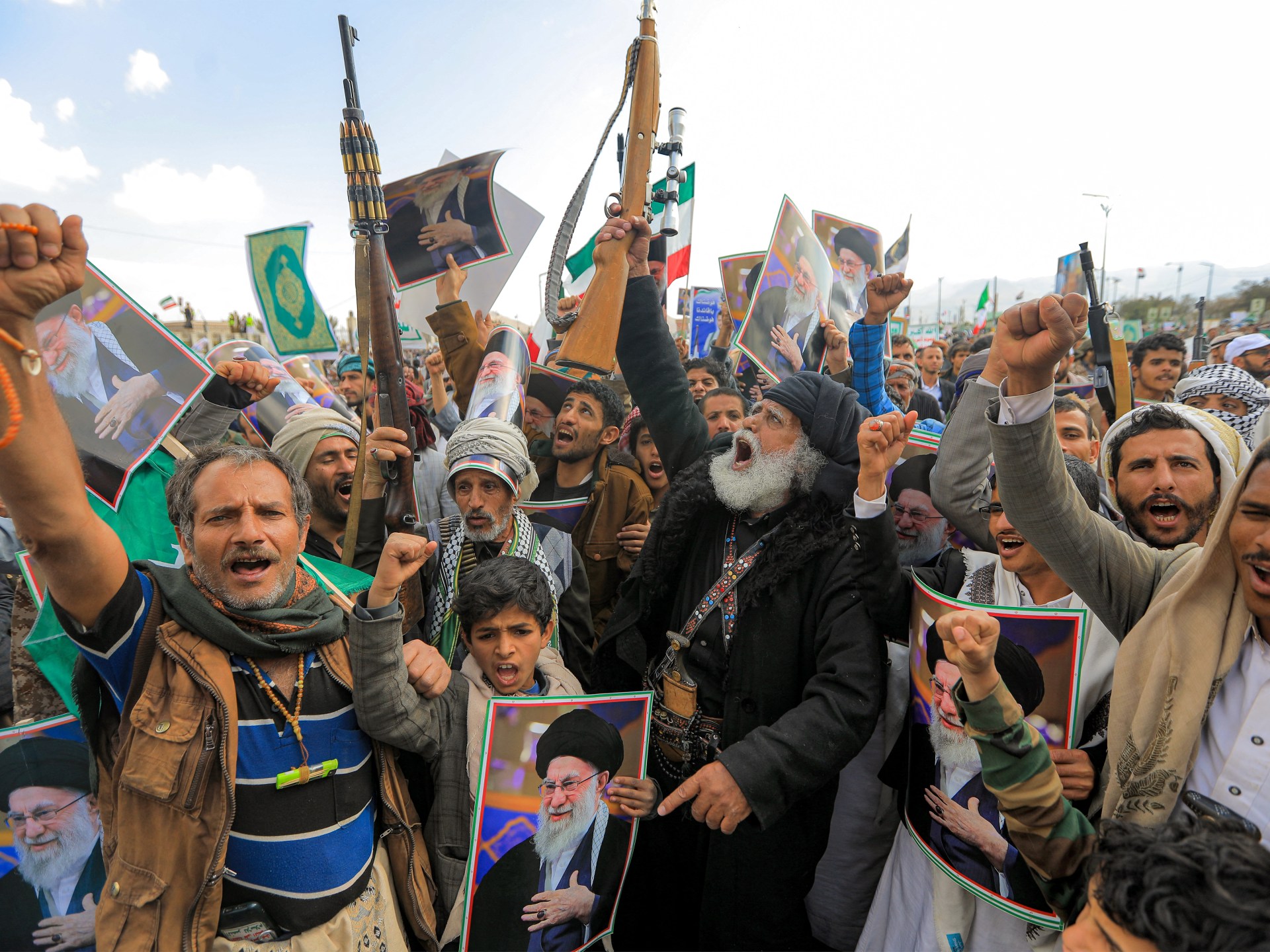
US-Israeli Military Strike on Iran Sparks Regional Tensions
On February 28, 2026, the United States and Israel launched a joint military strike against Iranian targets. The attack was followed by the announcement of the assassination of Iranian Supreme Leader Ali Khamenei. This development has significantly altered the regional dynamics, with Yemen being particularly affected.
Abdel-Malik al-Houthi, leader of the Houthi group in Yemen, is now facing a strategic decision: whether to intervene or maintain a cautious stance. The group’s recent speeches have provided insight into its response to this situation. Al-Houthi has appeared three times since the outbreak of the war, with his messages varying from declarations of solidarity with Iran to expressions of condolences for Khamenei’s death.
Notably, the Houthi group has not issued a clear declaration of military intervention or made direct threats against Israeli or US interests. Its media messaging has also been more subdued compared to previous regional moments. This discrepancy suggests that the decision to engage in conflict is complex and may have unintended consequences.
In contrast, other members of the Iranian axis, such as Hezbollah in Lebanon, have quickly entered the fray after the attack. The group’s involvement reinforces the notion that Iran is activating its military proxies in the region. The Houthi situation appears distinct due to Yemen’s unique geographical and political environment, which may contribute to their cautious approach.
The Houthi group’s restraint may be a result of awareness that any large-scale escalation could lead to multiple fronts against them during a time of regional instability. Recent experience has also shown the Houthis’ capacity for pragmatism in navigating complex situations. The fate of the group and its leadership remains uncertain, pending their decision on whether to engage in this conflict.
Source: Al Jazeera