Hungary election raises concerns over Orbans influence on European policies
April 2, 2026 • Al Jazeera
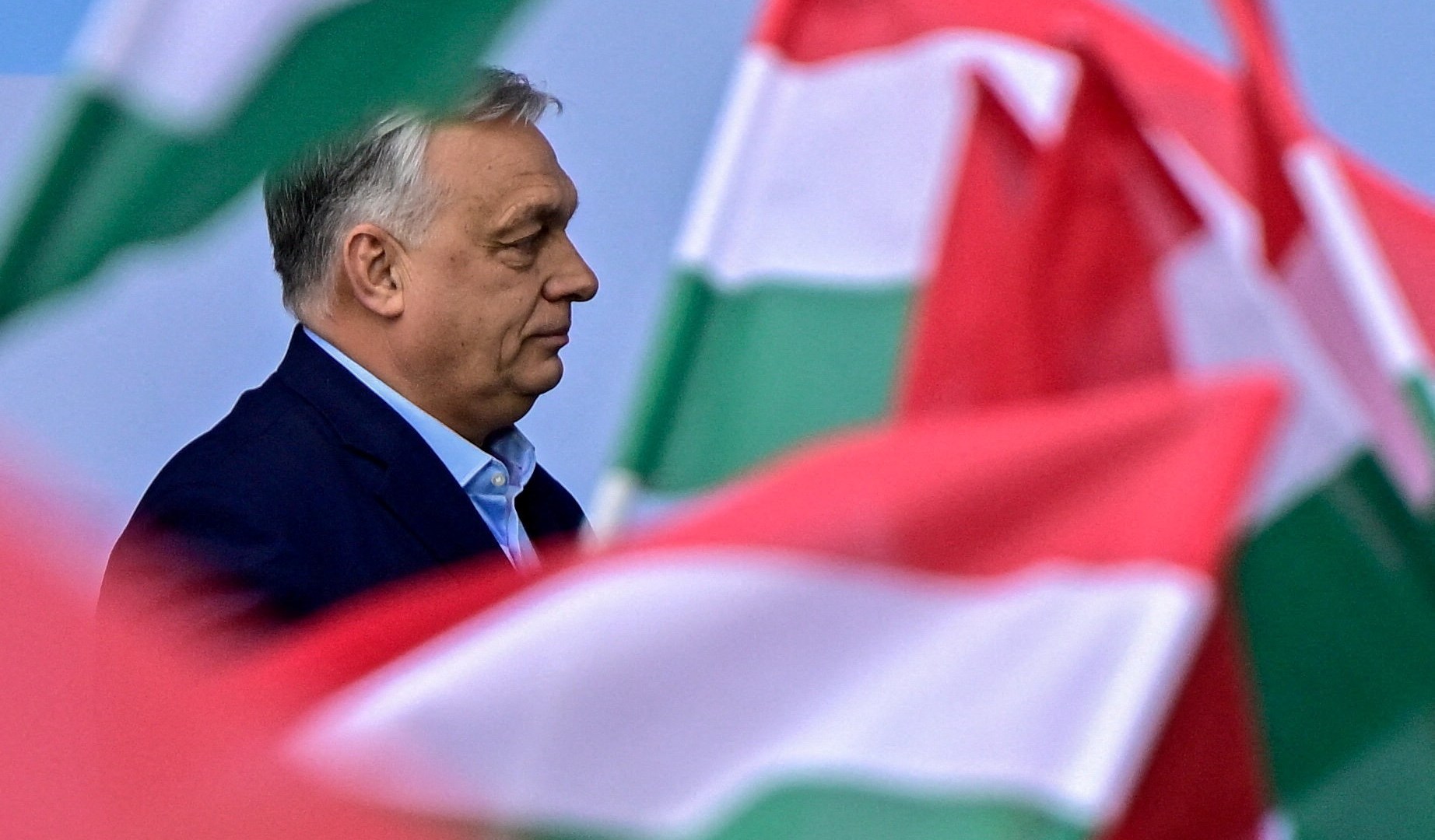
Hungary’s Parliamentary Election to Have Far-Reaching Effects on European Union Governance
On April 12, Hungarians will cast their ballots for the country’s parliamentary election, which is expected to have significant implications for the European Union. The outcome of this election may not be as crucial as its psychological impact on the continent.
For years, Hungary has been a vocal critic of EU policies, refusing to participate in common asylum and defense mechanisms, opposing energy autonomy based on solar and wind power, and vetoing Ukraine’s bid for membership. This stance has led to concerns among EU leaders about the country’s commitment to European integration.
The current Prime Minister Viktor Orban’s Fidesz party has been in power for 16 years, and its victory or defeat will likely shape the future of EU governance. Observers note that Hungary’s refusal to compromise on certain issues has created a situation where two governments within the EU (Hungary and Slovakia) and another outside it (North Macedonia) have adopted similar stances.
Some observers see Orban as a disruptor who has forced the EU to evolve pragmatically, while others worry about the potential consequences of his departure. Despite polls suggesting that opposition leader Peter Magyar’s Tisza party may win the election with around 50% of the popular vote, some caution that other illiberal leaders in Europe may fill Orban’s role.
In recent years, the EU has explored ways to circumvent opposition from certain member states, such as releasing bilateral loans to Ukraine. This approach was seen during the Greek financial crisis in 2010, when other EU members extended bilateral loans to Greece despite its membership in the eurozone. The EU is now considering a similar move to support Ukraine’s bid for membership and counter Russia’s influence.
Ukraine’s President Volodymyr Zelenskyy has expressed concerns about the potential impact of EU funding on his country’s military efforts, stating that underfunding could put the Ukrainian army at risk. As the European Union navigates its relationship with Hungary and other member states, it is likely to face challenges in finding mutually agreeable solutions.
The outcome of the Hungarian parliamentary election will be closely watched by EU leaders and observers, who are eager to see how the country’s stance on European integration will shape the future of EU governance.
Source: Al Jazeera