IEA says tackling methane emissions crucial for both climate and energy security
May 5, 2026 • Al Jazeera
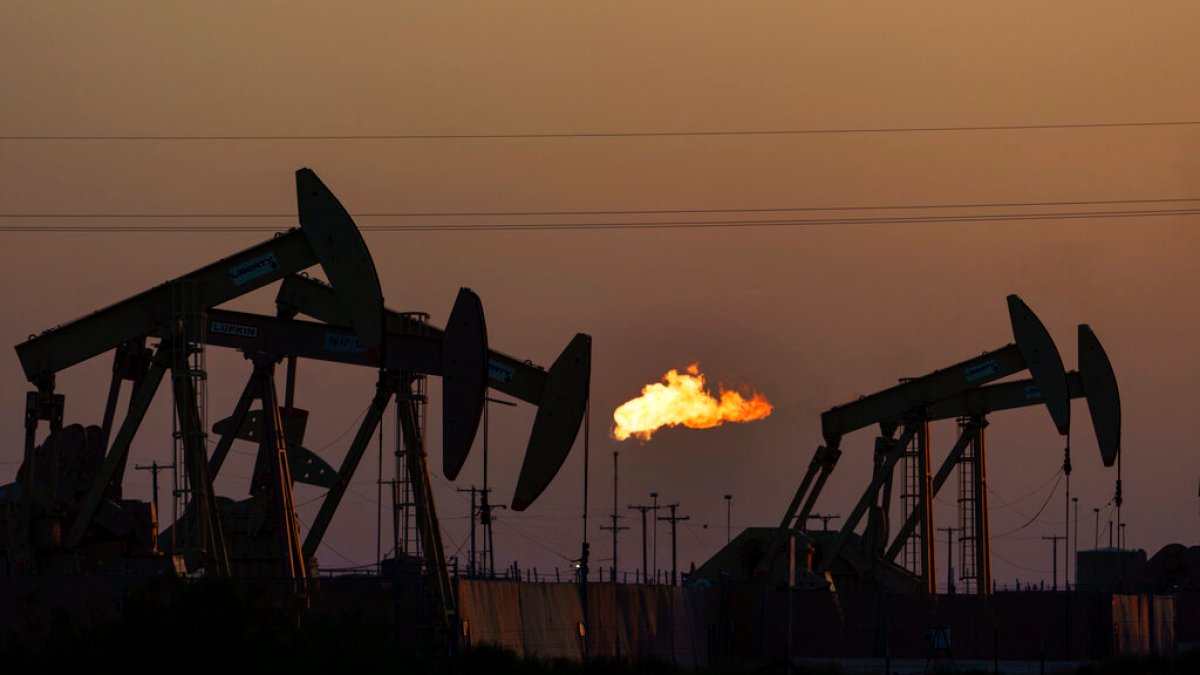
International Energy Agency Report Highlights Methane Emissions as Key to Addressing Global Energy Supply Concerns
A recent report by the International Energy Agency (IEA) has identified methane emissions from the fossil fuel sector as a crucial factor in mitigating the effects of the ongoing Iran crisis on global energy supplies. The IEA’s Global Methane Tracker 2026 reveals that the oil, gas, and coal industries account for approximately 35% of all methane emissions from human activity.
According to the report, there has been little progress in reducing these emissions, despite well-established mitigation pathways being available. Methane is the second-largest contributor to climate change, with a warming effect roughly 80 times more potent than carbon dioxide over a 20-year period.
The IEA estimates that methane emissions from oil, gas, and coal total 124 million tonnes per year, with oil accounting for the largest share at 45 million tonnes. The report also notes that an additional 20 million tonnes come from bioenergy production and consumption.
The ongoing crisis in Iran has led to a surge in oil prices and disruptions to global energy supplies, particularly in the liquefied natural gas (LNG) market. The IEA estimates that nearly 100 billion cubic metres of natural gas could be made available annually through efforts to cut methane emissions from oil and gas operations.
In response to this report, France has convened a conference to build momentum on reducing methane emissions ahead of the United Nations’ November COP31 summit. The conference aims to accelerate the implementation of effective solutions to reduce methane emissions.
Source: Al Jazeera