India faces severe heatwave with inadequate response from authorities
May 22, 2026 • Al Jazeera
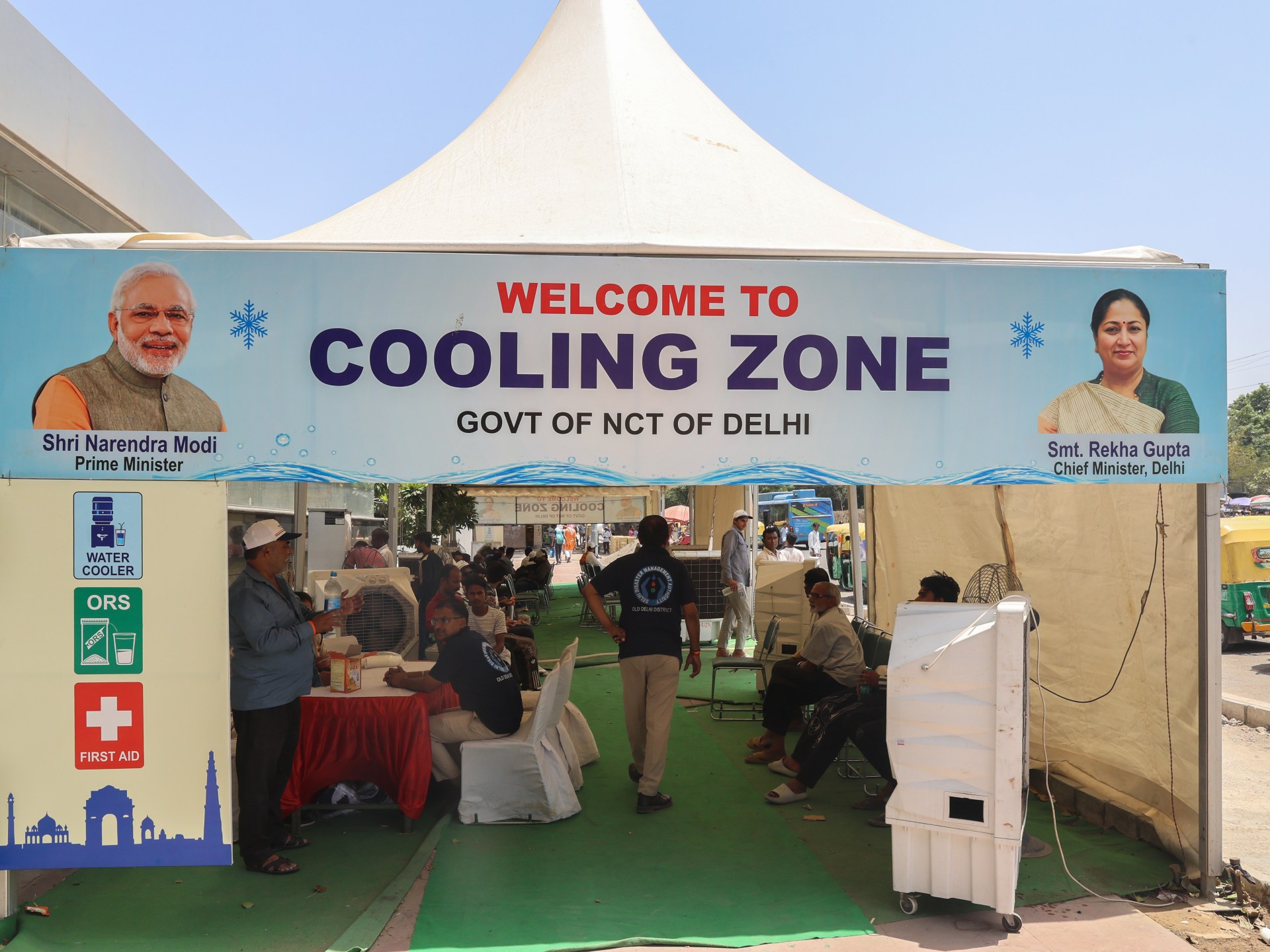
India Experiences Extreme Heatwaves, Death Toll Climbs
A severe heatwave has gripped India, with temperatures soaring to record-breaking highs across the country. The extreme weather has resulted in a significant number of deaths, including those from the recent West Bengal election and census workers.
According to official data, the top 50 hottest cities in the world are located in India, with Akola in Maharashtra’s Vidarbha region recording the highest temperature of 46.9C on April 26. The heatwave has also affected livestock, crops, and farmers, who are unable to work outside due to the extreme temperatures.
The United Nations has expressed concern over the impact of the heatwaves on food supply, stating that they are pushing it “to the brink”. The extreme heat is also causing a range of health problems, including heart attacks, kidney injury, and exacerbating chronic conditions such as diabetes and respiratory illnesses.
While some deaths have been reported in the media, many heat-related deaths go unrecorded in India. The government has recommended that heatwaves be notified as national disasters, but securing funding to mitigate these deaths or providing compensation for victims’ families is hindered by bureaucratic red tape.
In contrast to other countries, which prioritize green spaces and biodiversity, India’s approach to addressing the climate crisis appears to focus on urban development projects. Trees are being cut down in cities such as Nashik, Pune, and Bengaluru to make way for infrastructure projects.
Prime Minister Narendra Modi has a history of denying climate change, stating that “climate has not changed. We have changed. Our habits have changed” during his 2014 election campaign. The current heatwave is exacerbating existing social inequalities, particularly in poor and marginalized communities.
Researchers have warned that the human body can only handle so much heat before it becomes unable to cool itself, with a wet-bulb temperature of 35C being the limit. Nearly 380 million Indians are living in conditions that exceed this threshold, according to a recent study by Harvard’s South Asia Institute.
Source: Al Jazeera