India Introduces Strict Grocery Delivery Time Limitations
January 28, 2026 • Al Jazeera
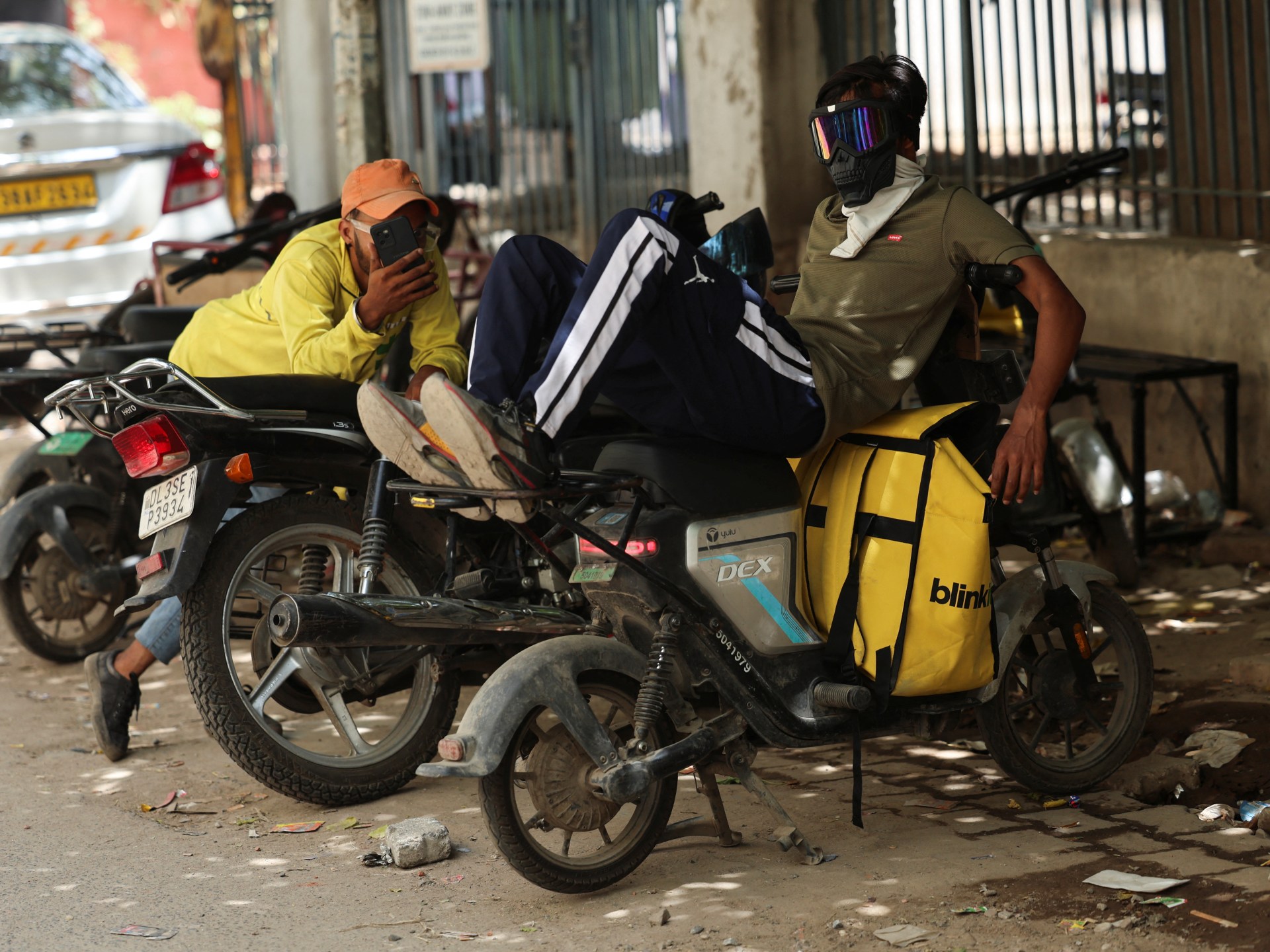
India’s Quick Commerce Platforms Face Pressure to Curb 10-Minute Deliveries Amid Safety Concerns
The Indian government has instructed companies operating in the quick commerce sector to reduce their delivery times to 10 minutes, citing concerns for worker safety and welfare. However, some experts argue that there is no incentive for these companies to comply with this request.
Several incidents have highlighted the risks faced by workers in this industry. In October last year, a young rider named Ankush was killed while trying to deliver groceries in Noida, a satellite city of Delhi. His colleague, Himanshu Pal, described how Ankush’s first day on the job ended in tragedy after he was hit by a car while navigating through traffic.
The quick commerce sector has been criticized for its lack of transparency regarding workplace fatalities. Riders and unions have pointed out that road accidents often result in deaths but are not reported as workplace fatalities. Additionally, workers face hazardous conditions, including extreme heat and exposure to toxic air, while riding long hours outdoors.
In December 2024, Amazon entered the Indian market with a 15-minute delivery service called Tez. Other companies, such as Swiggy’s Instamart and Zomato’s Blinkit, have also promised 10-minute deliveries. However, experts argue that these promises are often unrealistic and put riders at risk.
The Indian government has since intervened, asking all quick commerce platforms to stop promising “10-minute deliveries” after a nationwide strike by gig workers over dangerous working conditions. Despite this, some experts believe that the reality remains largely unchanged, with intense competition for speedy deliveries putting pressure on riders to prioritize speed over safety.
Vandana Vasudevan, author of OTP Please!, a 2025 book on the lives of gig workers, has stated that the Indian middle class is “literally riding on the back of the poor” while enjoying the benefits of quick commerce. She argues that the privileges gained from this technology come at the cost of workers’ safety and welfare.
The quick commerce sector continues to operate in India, with companies like Walmart’s Flipkart, Swiggy, and Zepto competing for faster deliveries. The government’s request for reduced delivery times remains unaddressed, leaving many questions about the future of worker safety and welfare in this industry.
Source: Al Jazeera