Indias Manipur Experiences Three-Year Period of Ongoing Protests and Unrest
April 22, 2026 • Al Jazeera
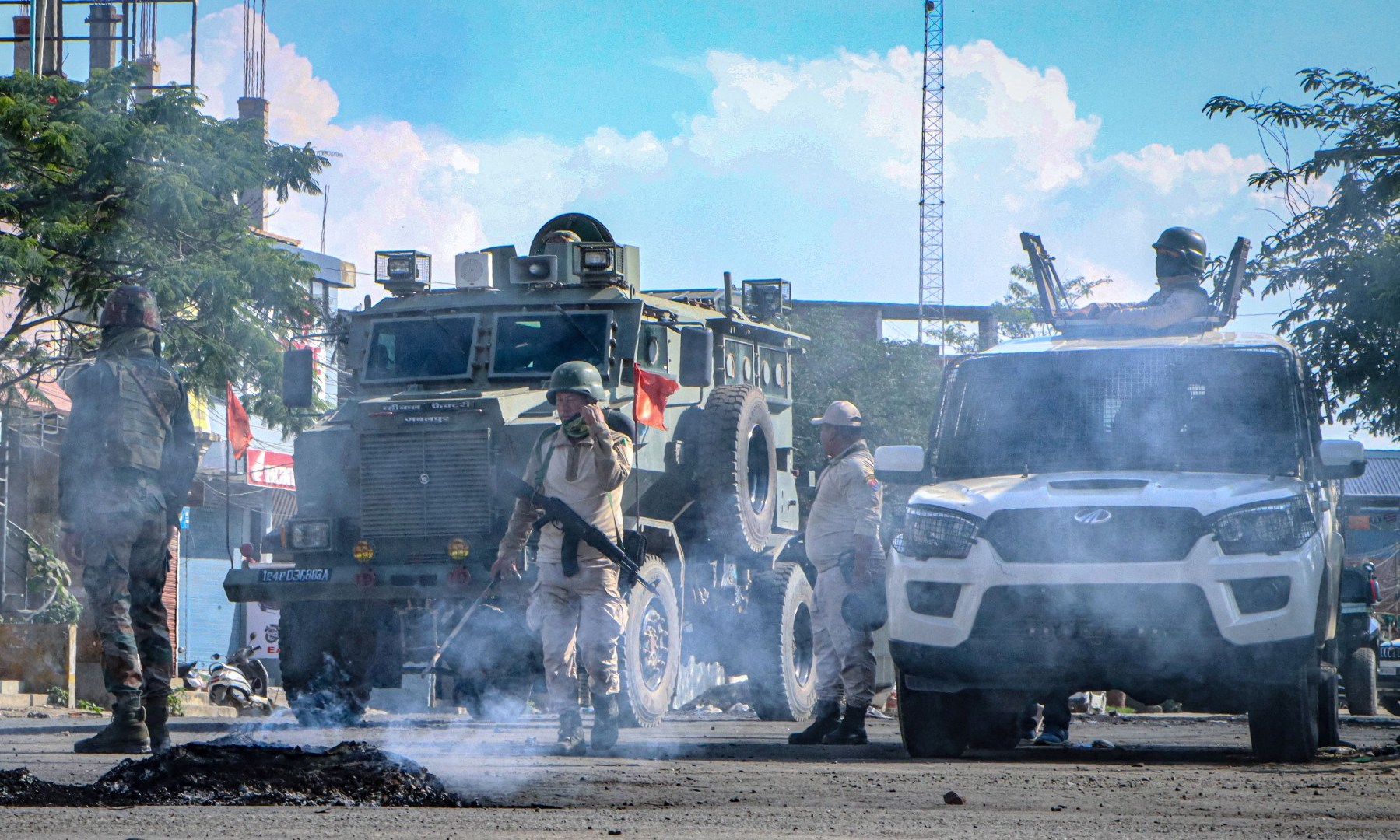
Violence Erupts in India’s Manipur Amid Ongoing Ethnic Tensions
A bomb blast in the Bishnupur district of Manipur on April 7 killed two children and injured their mother, sparking renewed violence in the northeastern Indian state. The incident occurred three years after ethnic clashes began, leaving communities divided and raising concerns about the government’s ability to resolve the conflict.
The state is home to a predominantly Hindu Meitei majority living in the valley, while the Christian Kuki-Zo community resides mainly in the hills. The violence is part of a three-year-long civil conflict that has resulted in deep segregation among communities and raised questions about the effectiveness of Prime Minister Narendra Modi’s government in addressing the issue.
The state has experienced a year of federal rule, with changes in chief minister, but none have been able to resolve the conflict or rebuild bridges between communities. At least seven people have been killed, and over a dozen arrested since the latest episode of violence broke out on April 7.
Organisations have called for shutting down towns, while protests have turned violent, with demonstrators clashing with police and setting oil tankers on fire. The clashes have left dozens of people injured, and the key road connecting Bishnupur to Churachandpur remains blocked for two weeks.
Historically, Manipur was a princely kingdom taken over by the British before becoming part of independent India in 1947. Land laws were introduced to maintain the delicate balance between the Meitei majority and the Kuki-Zo community. The introduction of scheduled tribe status for the Kuki-Zo community provided them with jobs, education, and political representation.
In recent years, a web of ethno-nationalist rebellions emerged in Manipur, with groups from various communities demanding territorial sovereignty and autonomous rule. In 2023, Nongthombam Biren Singh became the state’s chief minister, sparking concerns about his rhetoric towards hill-based tribal communities.
The latest episode of violence has pushed the state to the edge once again, raising questions about the government’s ability to address the ongoing conflict.
Source: Al Jazeera