Indias New Population Count Sparks Controversy Over Data Collection Methods
April 1, 2026 • Al Jazeera
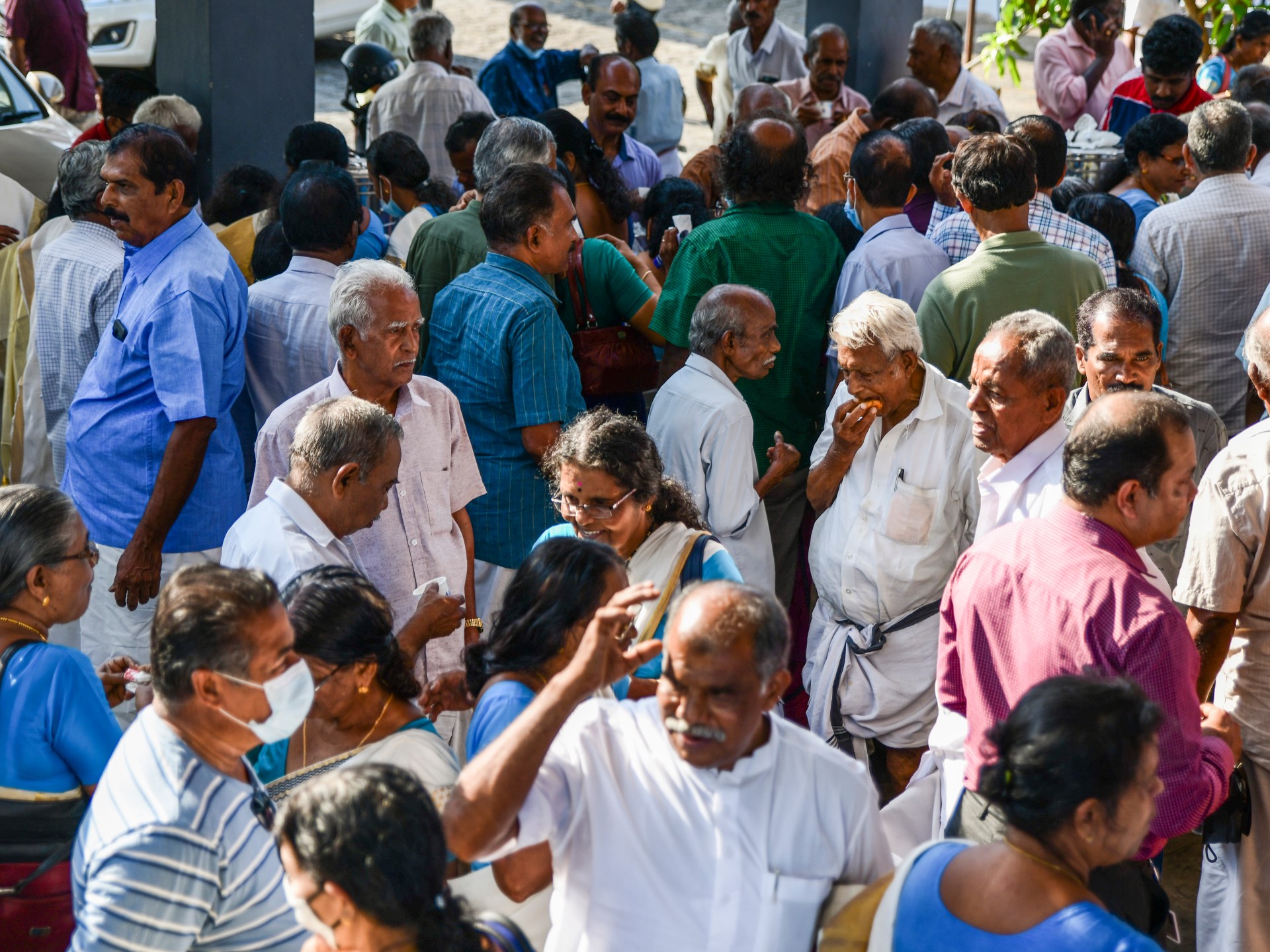
India Launches Population Count After Five-Year Delay
The Indian government has begun its nationwide census, which will include caste enumeration for the first time in nearly a century. The exercise is part of a $1.24 billion effort to count over 1.4 billion Indians about their household composition, living conditions, and access to basic amenities.
The census is being conducted across India’s 28 states and eight union territories, with more than 7,000 towns and 640,000 villages involved. For the first time, the census will be carried out digitally, using mobile applications on smartphones to collect and submit data through a series of questions.
The census will take place in two phases, with the first phase beginning on Wednesday and continuing until September. The second phase, scheduled for February, will focus on gathering socioeconomic details and information on education, migration, and fertility. Caste enumeration will also be included in this phase.
India’s first modern census was conducted from 1865 to 1872 during the British colonial period, with coordinated efforts beginning in 1881. Since independence in 1947, India has conducted its census eight times, including this year’s effort.
The census is being closely watched due to the government’s plan to redraw electoral constituency boundaries based on population growth. This exercise has sparked concerns among politicians in southern India, where population growth has been slower, that northern India may receive disproportionate representation.
The census will provide valuable data for governments and citizens, including demographic trends, distribution between rural and urban areas, and information on occupations and religions. The data collected during the census will also inform allocations under antipoverty programs and help governments plan policies.
Source: Al Jazeera