International law remains a widely accepted global defense mechanism
March 8, 2026 • Al Jazeera
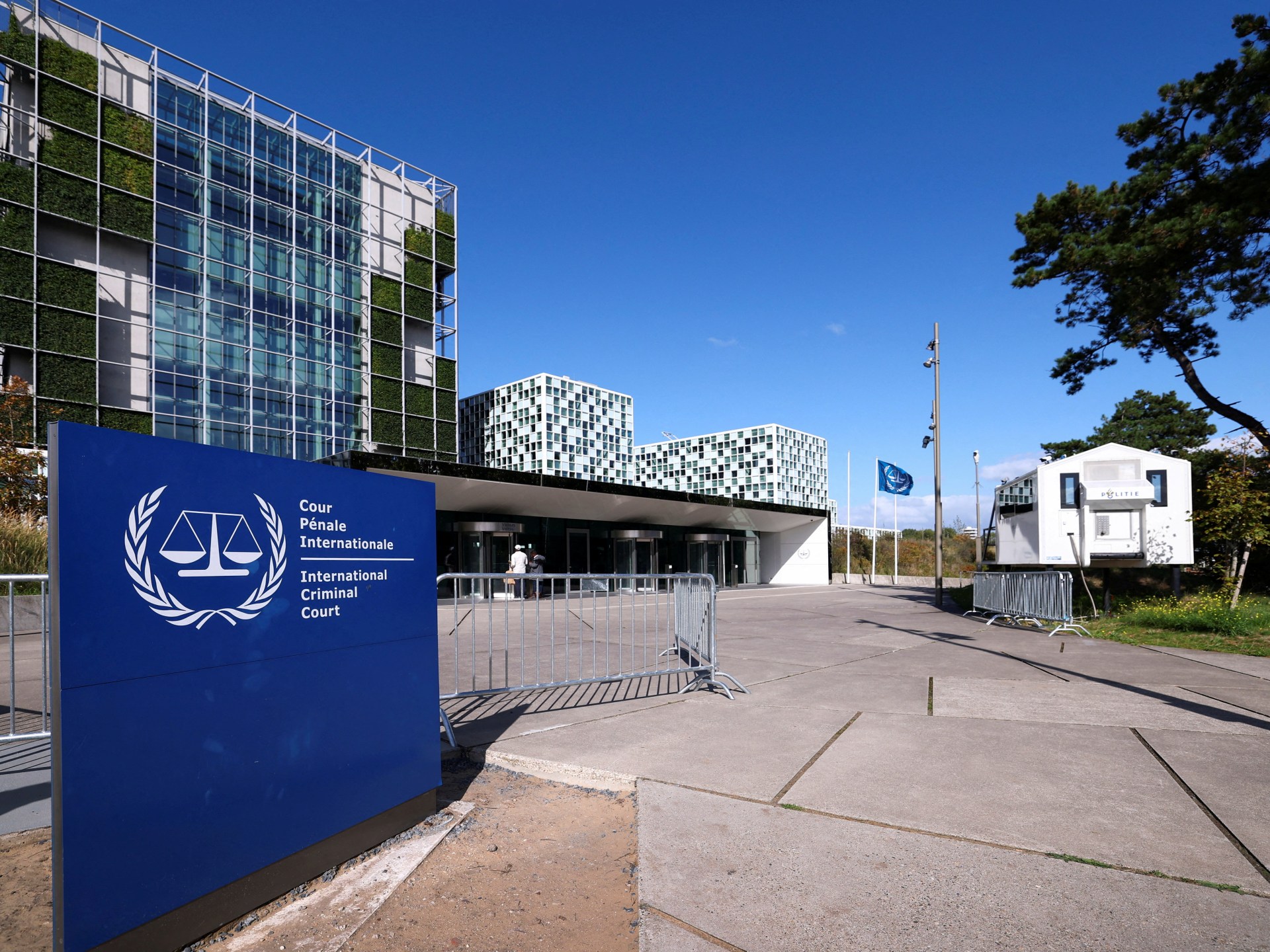
International Law Faces Erosion, Threats to Global Stability
The foundations of international law are under pressure, with some warning that the world may return to anarchy and chaos if these norms continue to erode. This post-World War II order was established to prevent similar catastrophes and promote global stability.
In 1943, US President Franklin D. Roosevelt cautioned that a lasting peace must recognize the interconnectedness of the world and uphold human rights. Today, this fragile peace is facing numerous challenges. The post-war architecture, designed to reduce conflict and entrench human rights within binding international law, is under threat from resurgent nationalism, zero-sum strategic rivalries, and hegemonic power plays.
Multilateral institutions that once provided stability are being marginalized or exploited for geopolitical purposes. Foundational treaties are being breached, compliance regimes weakened, and enforcement mechanisms rendered ineffective. This has led to a drift towards an unchecked “force-based order,” where might displaces right and power eclipses principle.
The United Nations Charter, a central document of the post-war infrastructure, is also under threat. The charter’s prohibition on the use of force except in self-defence or with UN Security Council authorization is fraying. As raw power gains the upper hand, the silence or equivocation of others emboldens those who would exploit this power.
The International Court of Justice and other institutions of international law are also facing threats. These institutions have played a crucial role in preventing conflict and advancing accountability, but their integrity is being eroded by powers that once shaped and nurtured them.
The erosion of these norms has significant implications for global stability and the rule of law. Efforts to hold perpetrators of atrocities accountable, such as those seen at Nuremberg and the creation of UN ad hoc tribunals, have been instrumental in shaping international justice. However, these efforts are now being undermined by powers that once supported them.
The consequences of this erosion are far-reaching and profound. The world is witnessing a shift towards an unchecked “force-based order,” where power and might dominate principle and right.
Source: Al Jazeera