International leaders push for regional agreement on Strait of Hormuz security
April 11, 2026 • Al Jazeera
Here is a rewritten version of the article in a neutral newsroom style:
Iran Agrees to Open Strait of Hormuz for Commercial Traffic
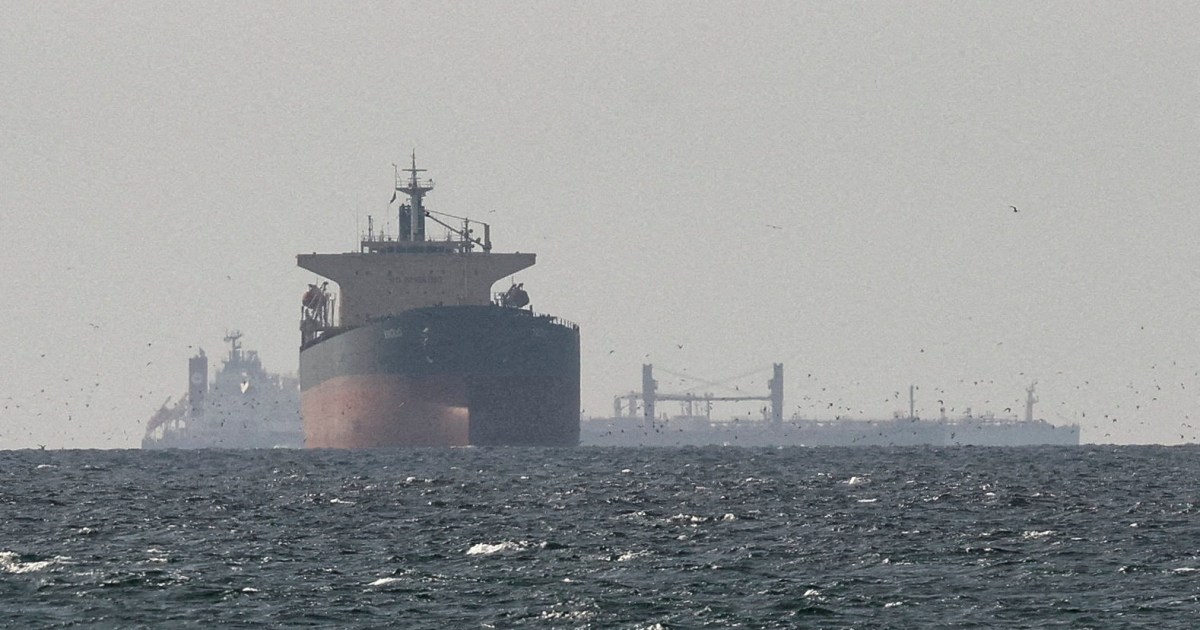
In a development related to the ongoing tensions in the region, Iran has announced that it will allow commercial traffic to pass through the Strait of Hormuz, subject to coordination with its authorities. The agreement comes after US President Donald Trump declared a ceasefire on Tuesday.
The move is expected to bring some relief to the global energy markets and seafarers, as well as the Gulf region. However, experts note that the long-term solution to the issue requires a solid understanding of international law and fact-based agreements.
Several international conventions and treaties provide a framework for marine and maritime activities, including the rules governing transit passage through straits. The United Nations Convention on the Law of the Sea (UNCLOS) and the International Maritime Organization’s (IMO) Traffic Separation Scheme (TSS) are among these instruments.
According to UNCLOS, all ships and aircraft have the right of transit passage, which shall not be impeded. Iran is an IMO member state that has signed but not ratified the UNCLOS. As such, it must respect the IMO-mandated shipping lanes in the Hormuz passage.
The area within the Strait of Hormuz north of the Musandam Peninsula lies entirely in the territorial waters of Oman, which has signed and ratified the UNCLOS. This means that Iran has no jurisdiction over this area, as an IMO member state that has not ratified the UNCLOS.
The agreement between Iran and its Arab neighbors highlights the need for long-term solutions rooted in law and fact. The international community will continue to monitor the situation and work towards a durable peace deal.
Source: Al Jazeera