Iran allows non-hostile vessels to transit the Strait of Hormuz freely
March 25, 2026 • Al Jazeera
Iran Announces Plans for Safe Passage Through Strait of Hormuz Amid Ongoing Conflict
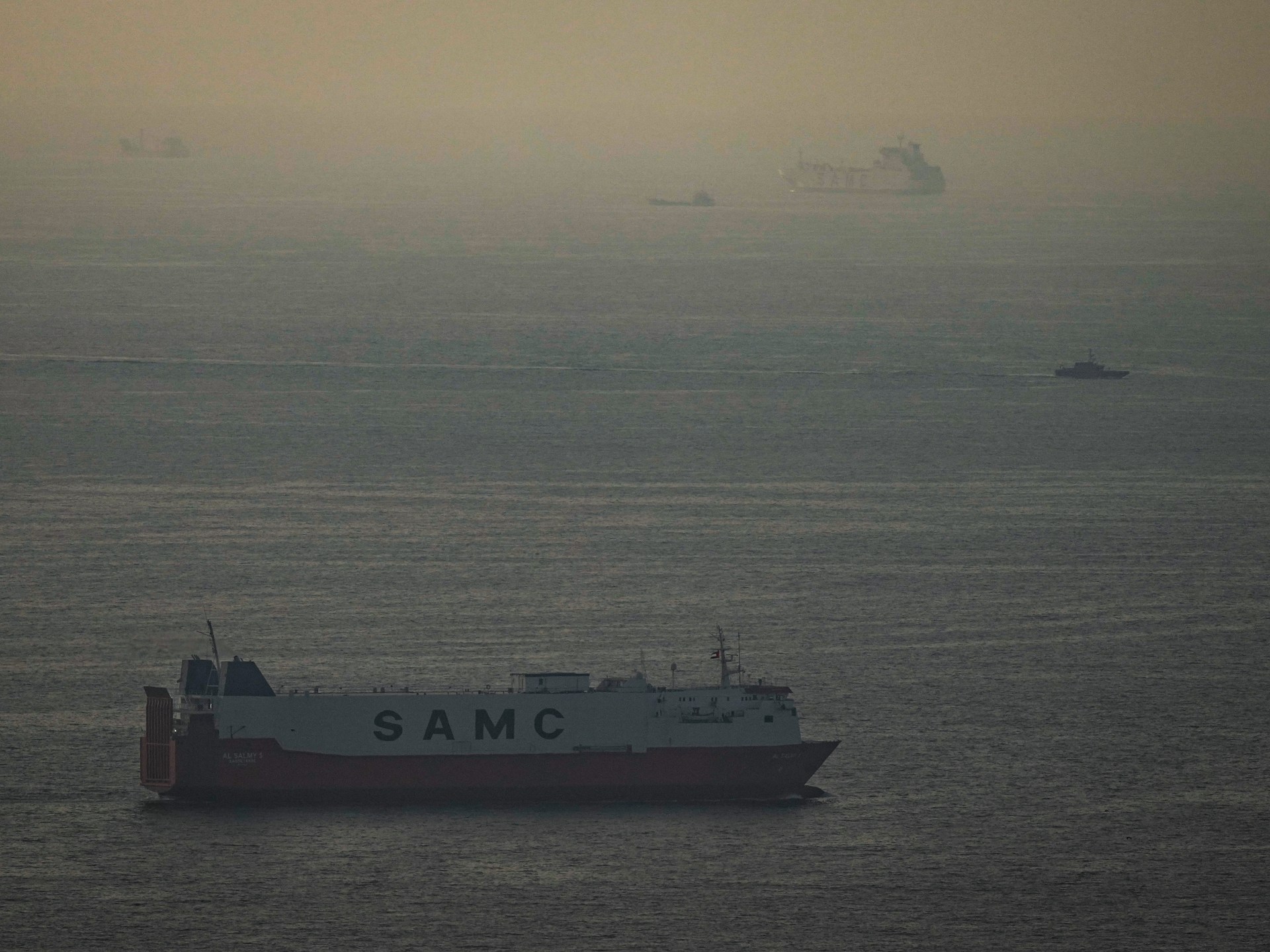
In a statement released on Tuesday, Iran’s mission to the United Nations announced that “non-hostile” ships may transit the Strait of Hormuz under certain conditions. The statement, posted on social media, outlined rules for vessels seeking safe passage through the waterway, which is a critical route for global energy supplies.
According to the statement, ships will be allowed to pass through the strait in coordination with Iranian authorities, provided they do not participate in or support acts of aggression against Iran and comply with safety and security regulations. The International Maritime Organization (IMO) was also informed of the plan by Iran earlier this week.
The announcement comes as US President Donald Trump stated that negotiations are underway to end the conflict between the US and Israel and Iran. However, Iran had previously denied any talks were taking place.
Despite these developments, maritime traffic through the Strait of Hormuz remains significantly reduced compared to pre-conflict levels. According to Windward, a maritime intelligence firm, only five vessels were tracked transiting the waterway on Monday, down from an average of 120 daily transits before the conflict began on February 28.
The collapse of shipping in the strait has contributed to a surge in global energy prices, with some analysts predicting oil prices could rise to $150 or more per barrel if the waterway remains effectively closed. The US and Israel launched their military operation against Iran on February 28, leading to a significant decline in maritime traffic through the strait.
As of Wednesday, major stock indexes in Asia opened higher, driven by hopes for an end to the conflict. Japan’s Nikkei 225 was up 2.3 percent, while South Korea’s KOSPI was 2.6 percent higher.
Source: Al Jazeera