Iran Conflict Could Trigger Global Food Crisis Due to Economic Instability
March 18, 2026 • Al Jazeera
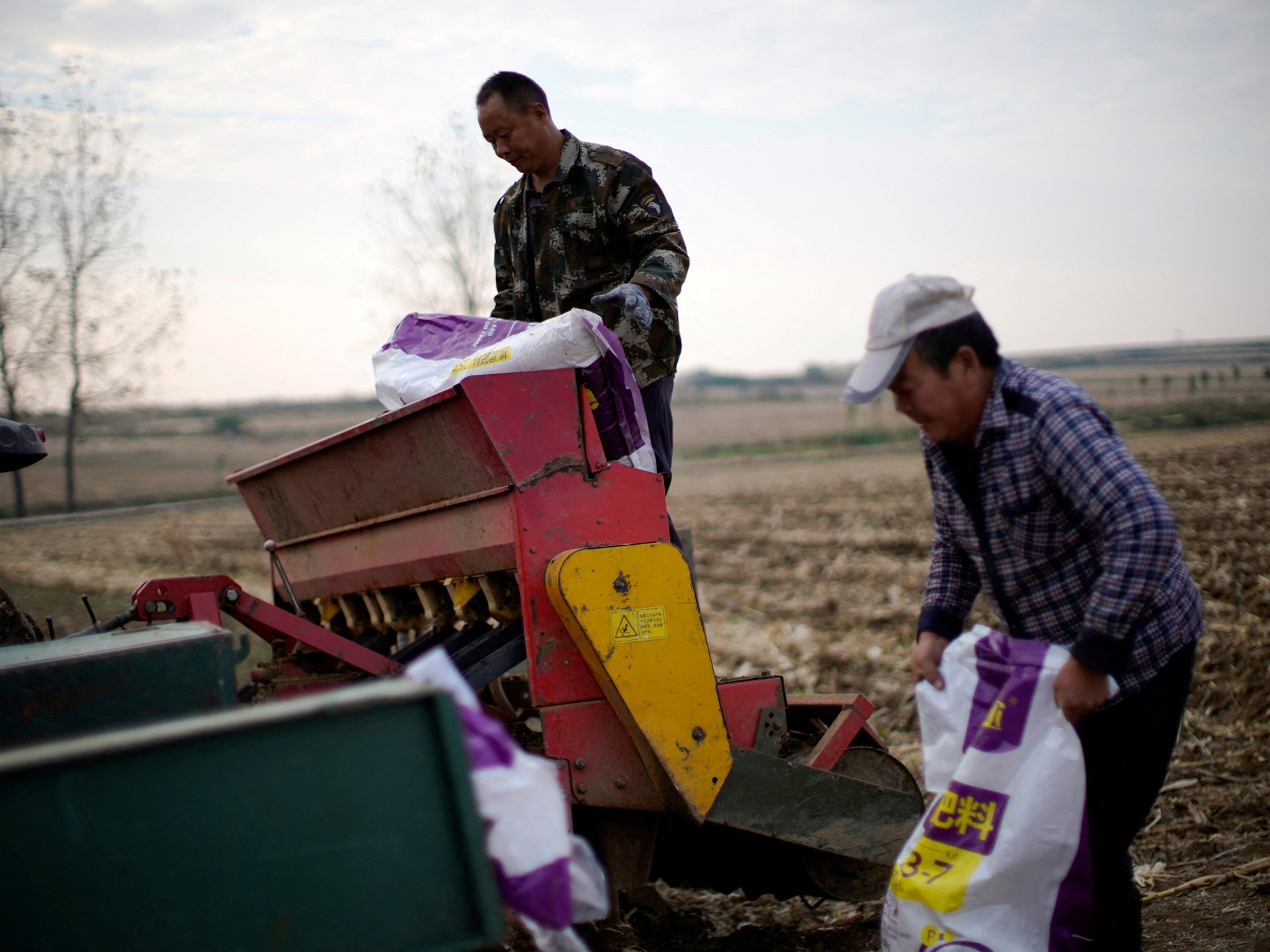
Iran War Disrupts Global Fertilizer Supply Amid Strait of Hormuz Closure
A crisis is unfolding in the global fertilizer market, threatening food security as the ongoing war in Iran disrupts the supply chain. The closure of the Strait of Hormuz, a critical shipping route for 20% of the world’s oil and gas, has led to a surge in oil prices above $100 per barrel.
According to Ebrahim Jabari, a senior adviser to the commander-in-chief of Iran’s Islamic Revolutionary Guard Corps (IRGC), the Strait of Hormuz is currently “closed.” This move has resulted in increased shipping costs and reduced supplies. As a result, fertilizer plants that rely on natural gas for production have been forced to shut or reduce output.
The impact on global agriculture is significant, with nearly half of the world’s traded urea exports originating from Gulf countries via the Strait of Hormuz. QatarEnergy, the state-run energy firm, has halted output at its largest urea plant after it shut down gas output following an attack on its LNG facilities. India and Bangladesh have also cut production due to reduced supplies.
The US is facing a shortage of fertilizer supply, with nearly 25% of its needs unmet for this time of year. Urea export prices from the Middle East have surged by about 40%, increasing from $500 to over $700 per metric tonne. This represents a 60% increase compared to last year.
According to shipping services company Signal Group, 20% of global fertilizer originates in the Gulf, while 46% of global urea supply comes from the region. Qatar Fertilizer Company (QAFCO) supplies 14% of the world’s urea.
If the closure of the Strait of Hormuz persists, it could disrupt up to one-third of global fertilizer trade, according to data and analytics company Kpler. This could lead to significant price increases for nitrogen fertilizers and phosphate, with prices potentially doubling and increasing by 50%, respectively.
The timing of this disruption is particularly concerning, as it falls during the middle of sowing season, or spring plantation season, which typically runs from mid-February to early May in the Northern Hemisphere. This could have significant implications for global food production and security.
Source: Al Jazeera