Iran emphasizes strategic significance of Hormuz Strait during US diplomatic efforts
May 10, 2026 • Al Jazeera
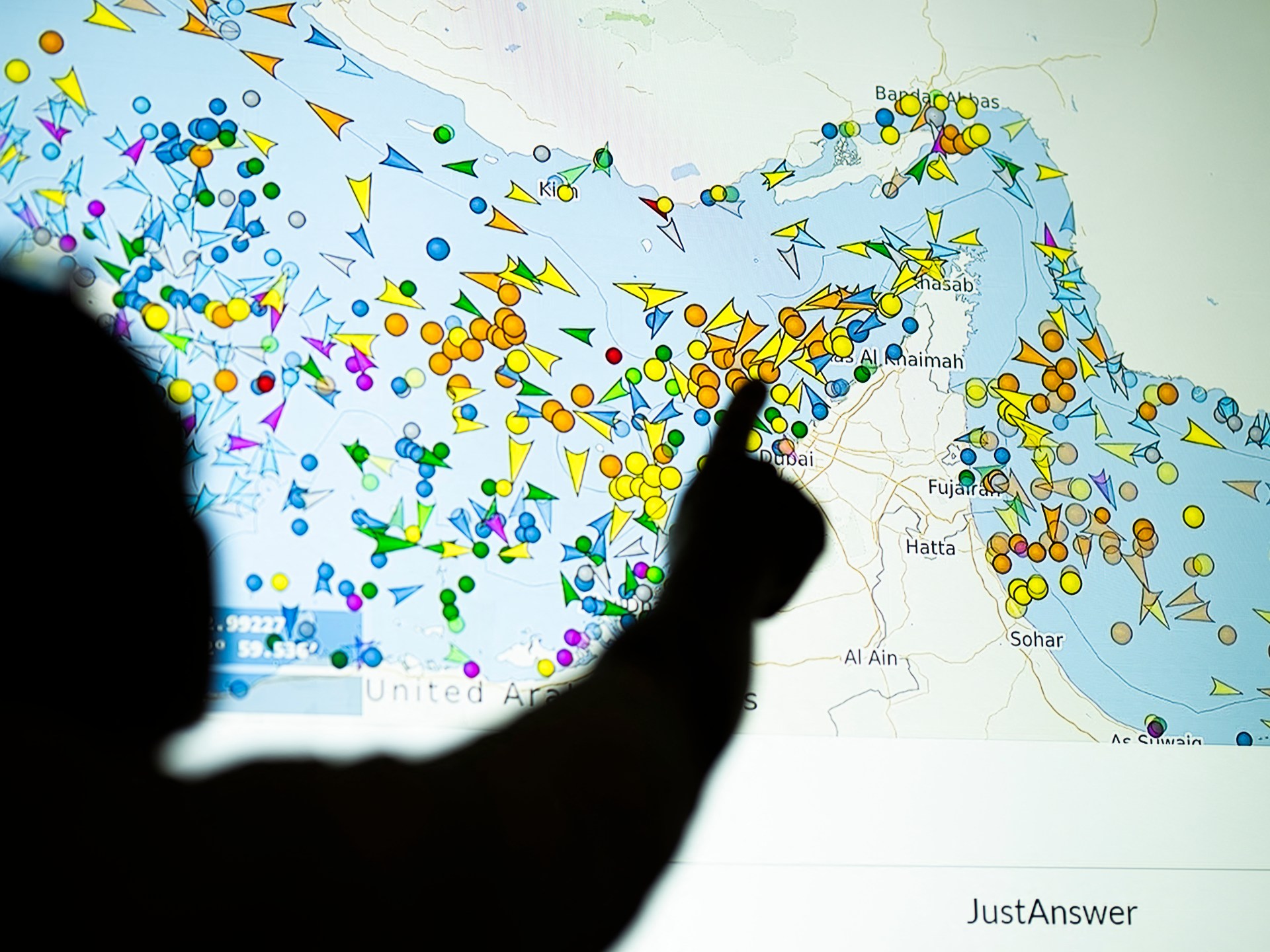
Tehran, Iran - Iranian authorities have emphasized the importance of control over the Strait of Hormuz, a vital waterway that can significantly impact the global economy. Foreign Ministry spokesperson Esmaeil Baghaei stated on Saturday that Iran is reviewing the US proposal for an agreement regarding the strait’s management.
Mohamad Mohkber, a senior adviser to Ayatollah Ali Khamenei, described the Strait of Hormuz as having a capability comparable to an atomic bomb, citing its potential to affect the entire global economy with a single decision. He emphasized that Iran will not relinquish control over the strait, which it has gained through military action.
Mohammad Reza Aref, the current first vice president, stated that Tehran’s control over the Strait of Hormuz will help counter US sanctions, including those aimed at reducing oil sales. He claimed that Iran’s management will ensure the security of the waterway and benefit all countries in the region.
State television drew parallels between the Strait of Hormuz and the Battle of Uhud, a historical event in which archers left a strategic pass despite instructions from the Prophet Muhammad, allowing rival cavalry to attack from behind. Hossein Hosseini, an Ofogh channel host, compared the Strait of Hormuz to this pass, warning that abandoning it could lead to defeat.
Multiple text messages attributed to Mojtaba Khamenei have also emphasized the importance of maintaining control over the waterway. Former President Akbar Hashemi Rafsanjani’s speech from decades ago highlighted Iran’s policy of not shutting down the Strait of Hormuz without cause, as this would also harm Iran itself.
Iranian authorities have been reviewing US proposals for an agreement regarding the strait’s management since the start of the war with the US and Israel. The country has emphasized its commitment to maintaining control over the waterway through various channels, including international negotiations and domestic laws passed by the parliament.
Source: Al Jazeera