Iran Protests Raise Concerns About Unprecedented Scale and Organization
January 14, 2026 • Al Jazeera
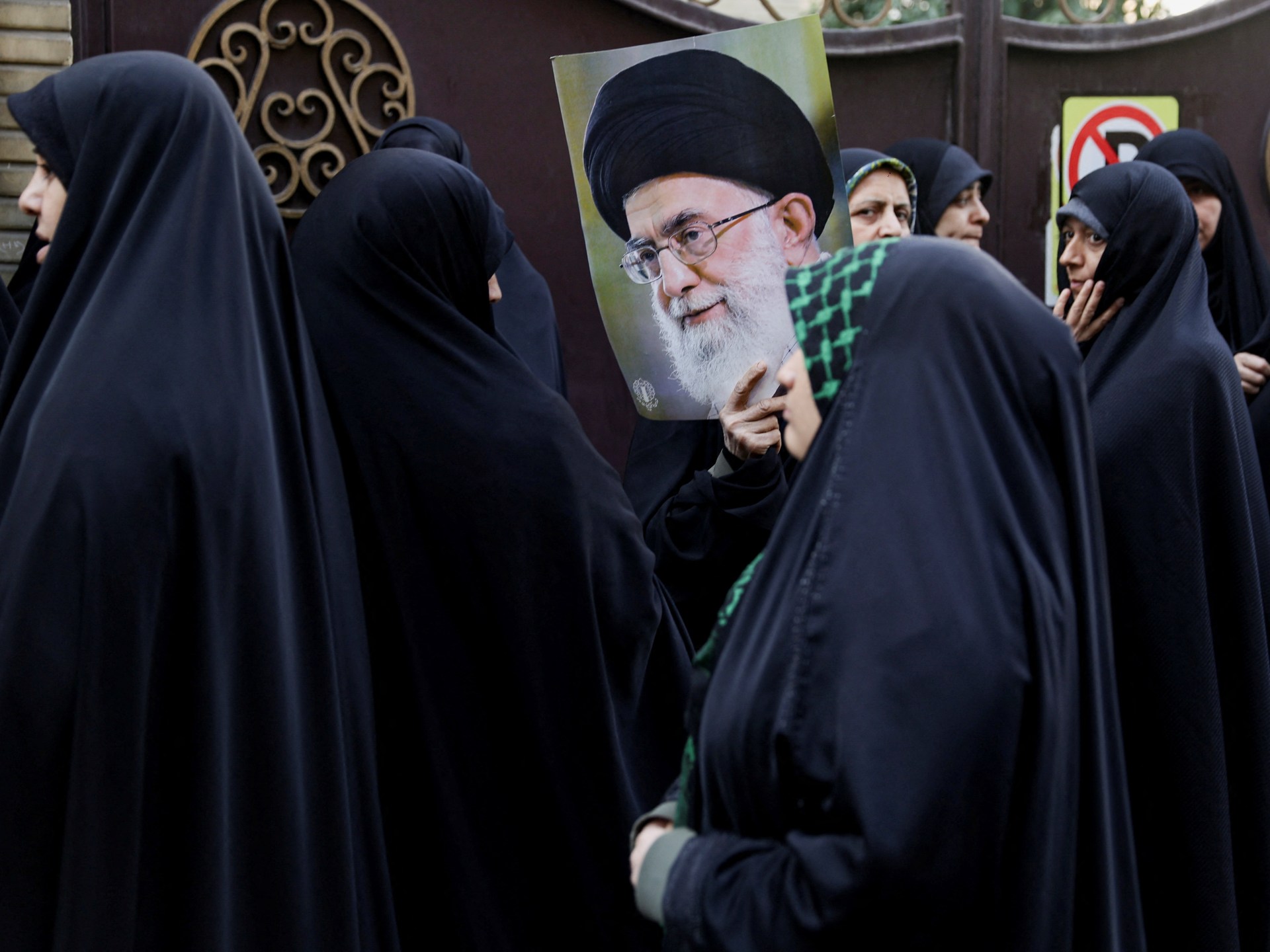
Protests in Iran Enter New Phase Amid Rising Tensions
A wave of protests sweeping across Iran has taken on unprecedented proportions, with demonstrators from various sectors converging to express their grievances. The unrest began on December 28 at Tehran’s Grand Bazaar, where shopkeepers protested over the decline in value of the Iranian rial. Since then, nationwide demonstrations have unfolded, involving a broad coalition of social groups.
The economic crisis has been a long-standing issue in Iran, with rising inflation, unemployment, and shortages of basic goods contributing to widespread discontent. The reimposition of US sanctions in 2018 further exacerbated the situation, eroding confidence in the authorities’ ability to address economic woes and combat corruption.
US President Donald Trump’s recent actions have added fuel to the fire. In June, he authorized air attacks on Iran’s nuclear facilities, and is now threatening to launch another attack, claiming his aim is to “help” protesters. Iranian officials have acknowledged that the country faces a challenging economic situation, compounded by geopolitical tensions.
The government has attempted to address the grievances through a series of economic reforms, including replacing the central bank governor and scrapping preferential exchange rates for certain goods. However, these moves have been met with limited success. The security forces’ response to the protests has become increasingly violent, with authorities imposing a near-total communication blackout and arresting thousands of people.
Iran has not released an official death toll, but estimates suggest that hundreds of protesters and security personnel have lost their lives. Experts point out that this is not the first time the government has resorted to harsh tactics, but the current situation appears more dire due to the regime’s limited options for addressing the economic crisis.
Source: Al Jazeera