Iran Releases Assets of Australian Asylum Seeker Football Captain
April 13, 2026 • Al Jazeera
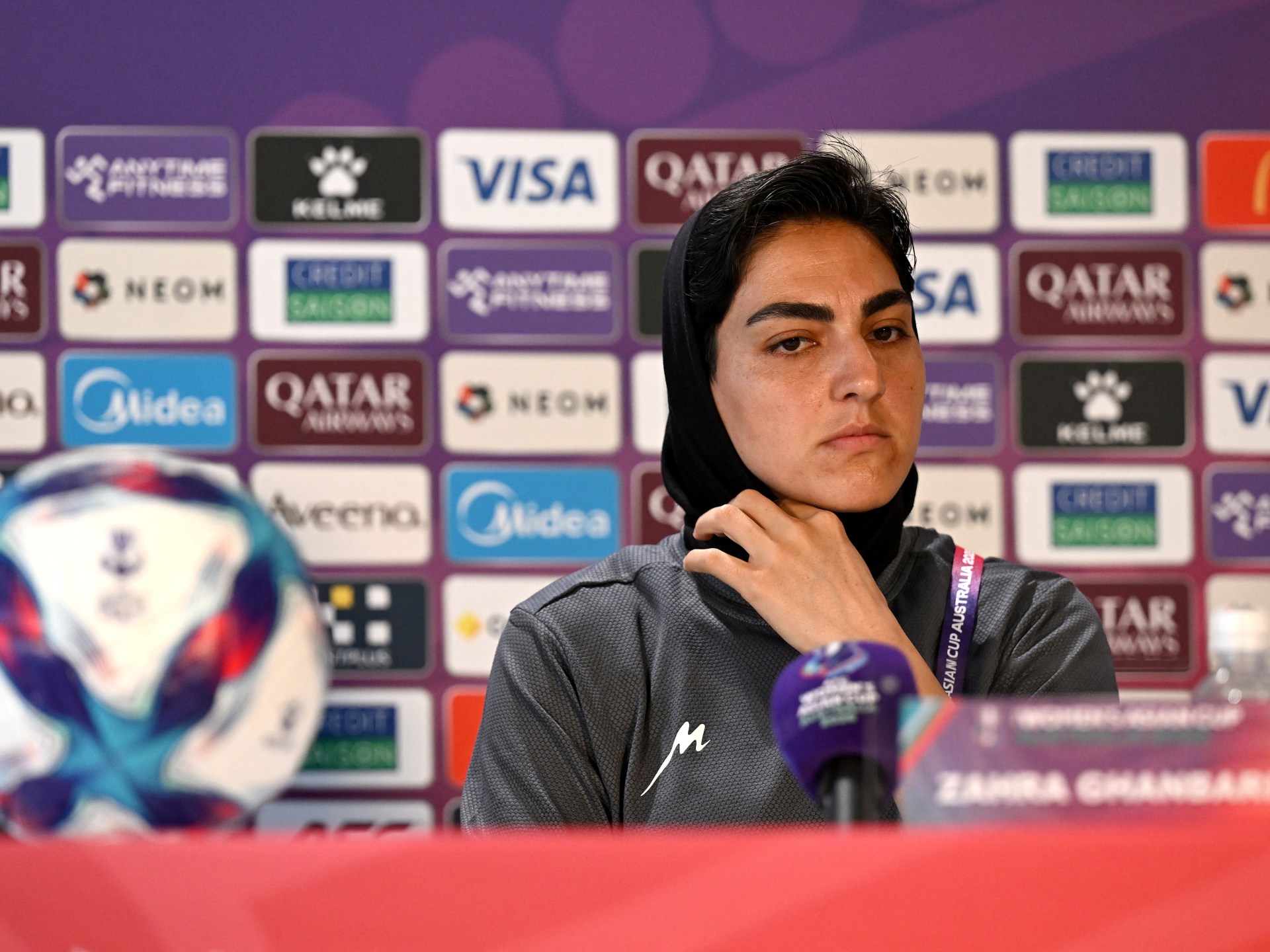
Iran’s judiciary has announced that the assets of Zahra Ghanbari, captain of the country’s women’s national team, have been released by local authorities following a declaration of innocence. The decision was made after Ghanbari changed her behavior.
Ghanbari was among six players and one backroom staff member who sought asylum in Australia in March. They had played in the Women’s Asian Cup at the start of the US-Israel war on Iran. At that time, Australia offered asylum to all players and support staff members before their departure to Iran due to concerns about potential punishment upon return.
However, five of the players, including Ghanbari, later changed their minds and returned to Iran along with the rest of the team. They were given a hero’s welcome at a special ceremony in central Tehran on March 19.
Earlier this month, two players who initially sought asylum told Al Jazeera that they faced “enormous pressure” over their decision. The Iranian media had published a list of people they termed “traitors”, whose assets had been frozen by court order following the outbreak of the war on February 28. Ghanbari’s name appeared on the list, although it was not immediately clear when the decision to freeze her assets had been taken.
The players who returned to Iran were reportedly under pressure due to the escalating war in the country and the potential consequences of their actions. The situation led to a dilemma for some players, including Ghanbari, who wondered whether to return home or seek asylum.
Iran played three group games of the Asian Cup at the Gold Coast Stadium in Queensland shortly after the US and Israel launched their war on Iran. The initial attacks killed 168 schoolgirls and teachers, as well as Iran’s Supreme Leader Ayatollah Ali Khamenei, and other leaders. More than 2,000 Iranians have been killed since the war began six weeks ago.
The players’ decision to return to Iran was reportedly influenced by the Iranian government’s actions, including branding them “traitors” after refusing to sing the national anthem at their first match. The team management did not explain why they refrained from singing before the first match, but fans and rights activists speculated that it may have been an act of defiance against the Iranian government.
The situation highlights concerns about athletes being pressured by authorities into making certain decisions or actions while competing abroad.
Source: Al Jazeera