Iran Seeks To Exit FATF Blacklist Amid Domestic Political Tensions
February 15, 2026 • Al Jazeera
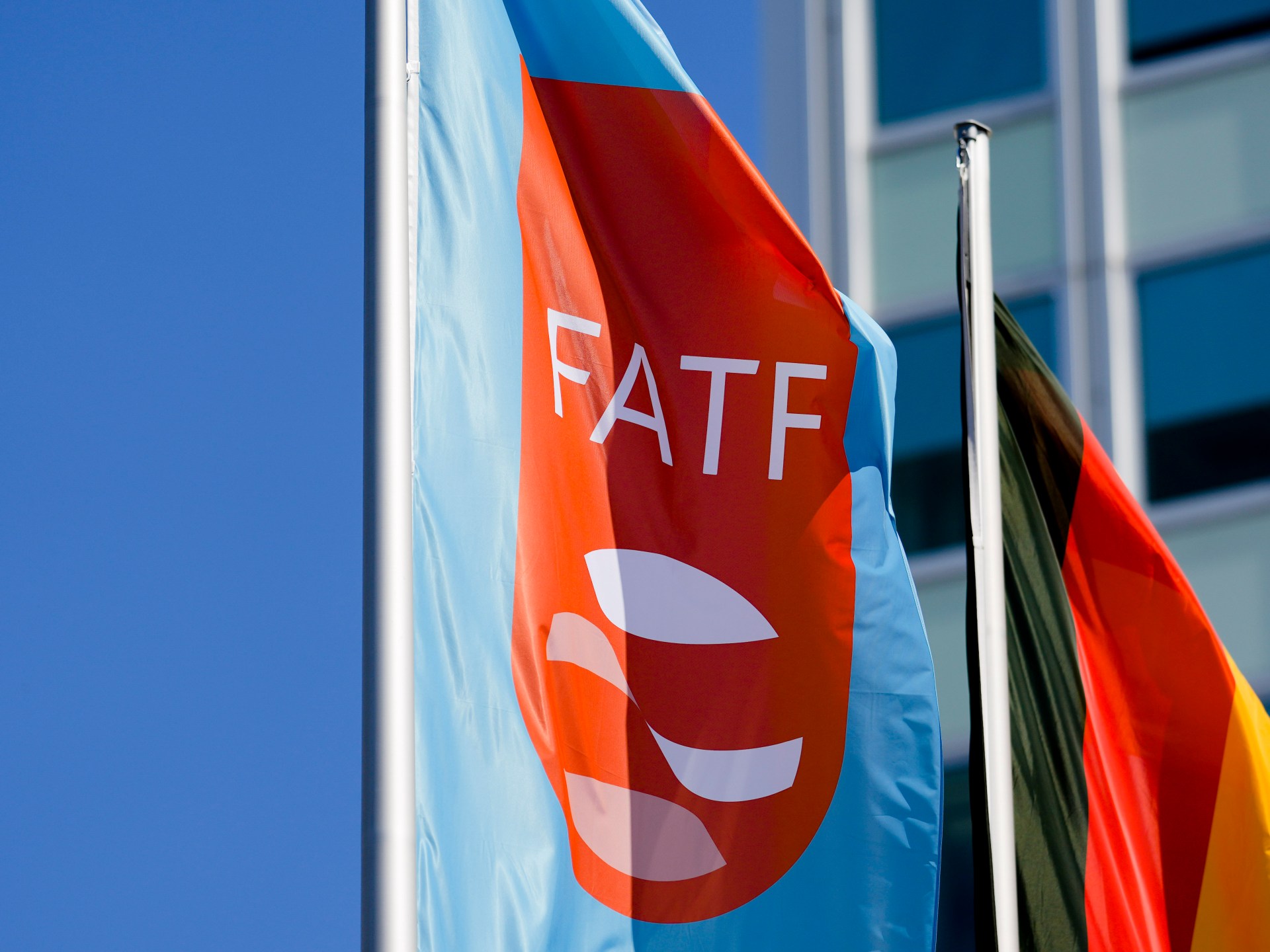
Iran Vows to Continue Efforts to Remove Itself from Global Financial Blacklist
Tehran, Iran - The Financial Intelligence Unit of Iran’s Ministry of Economic Affairs has stated that it will continue its efforts to be removed from a global blacklist maintained by the Paris-based Financial Action Task Force (FATF). This comes after the FATF renewed its blacklisting of Iran, which is currently joined on the list by North Korea and Myanmar.
The FATF recommended that member states and financial institutions handle all transactions involving humanitarian assistance, food supplies, diplomatic operations, and personal remittances “on a risk basis” due to concerns over terrorist financing risks emanating from Iran. The organization also emphasized the need for countries and global institutions to remain cautious when dealing with Iran.
Iran has been subject to increased scrutiny since October 2019, with supervisory examination and external audit requirements recommended against it. Since February 2020, Iranian banks and nationals have faced significant challenges in accessing international transactions, leading to a reliance on costlier third-party intermediaries.
The FATF’s renewed blacklisting is the result of years of concerns over Iran’s nuclear program and sanctions imposed by the United Nations Security Council. However, after the 2015 nuclear deal with world powers lifted some sanctions, the FATF acknowledged a “high-level political commitment” from Iran and agreed to an action plan.
Despite this, the United States’ withdrawal from the nuclear deal in 2018 led to a renewed focus on Iran’s financial transparency and international supervision. The FATF has since recommended measures aimed at isolating Iran from global financial markets, including virtual asset service providers (VASPs) and cryptocurrencies.
Iran has been subject to various countermeasures since February 2020, which have made it increasingly difficult for Iranian banks and nationals to access international transactions. This has contributed to the continuous depreciation of the Iranian rial over the years.
Source: Al Jazeera